Apple’s New Mac Studio Supports Up to 512GB of Unified Memory
Our take
## Our Take: Apple’s Mac Studio and the Dawn of Unified Memory Dominance
Apple’s unveiling of the M5 Ultra chip and the upgraded Mac Studio, now boasting support for up to 512GB of unified memory, isn't just a hardware refresh; it’s a significant statement about the future of creative workflows and Apple’s continued dominance in the high-performance desktop space. For our audience – the artists, designers, filmmakers, and developers who demand peak performance – this represents a tangible leap forward. The move to 512GB of unified memory fundamentally alters what’s possible, particularly for professionals working with massive datasets, complex 3D renders, and high-resolution video editing. We've seen similar leaps in RAM capacity across the PC landscape, but Apple's unified memory architecture – where CPU, GPU, and Neural Engine all share a single pool of memory – offers a distinct advantage. This architecture eliminates the traditional bottlenecks associated with data transfer between separate memory pools, resulting in noticeably faster and more efficient performance. Consider the implications for demanding tasks like 8K video editing in DaVinci Resolve or complex simulations in Cinema 4D; the ability to keep entire projects resident in memory unlocks a level of responsiveness previously unattainable for many. For those interested in understanding the broader implications of Apple Silicon, our previous deep dive on Apple’s Silicon Strategy offers valuable context.
The significance of this upgrade extends beyond sheer capacity. Unified memory fundamentally changes the way these systems operate, allowing for more complex and layered workflows. Previously, professionals might have had to strategically manage memory allocation across different applications, leading to slowdowns and frustrating limitations. With 512GB of unified memory, that constraint is significantly lessened, empowering creatives to work with unprecedented scale and complexity. This also allows for greater experimentation and iteration – imagine the possibilities for AI-assisted creative tools that can operate directly within this expansive memory space. Furthermore, Apple’s ongoing focus on power efficiency remains a key differentiator. The M5 Ultra chip, while delivering substantial performance gains, is designed to do so with remarkable energy efficiency, a crucial consideration for professionals seeking both power and portability. This aligns with a broader trend toward sustainable computing practices, something increasingly important to our audience. We recently explored the intersection of sustainability and creative workflows in Green Computing for Creatives, highlighting the growing demand for environmentally conscious technology.
The broader implications for the industry are clear. Apple’s commitment to pushing the boundaries of integrated silicon and unified memory architecture sets a high bar for competitors. While other manufacturers offer high-performance desktops, the seamless integration and efficiency of Apple’s approach remain difficult to replicate. This isn't to say that the PC market is stagnant; advancements in discrete GPUs and traditional RAM technologies continue to drive performance improvements. However, Apple's model presents a compelling alternative, particularly for creative professionals who prioritize a streamlined and optimized workflow. The move to 512GB also signals a clear understanding of the evolving needs of content creators, who are increasingly working with larger files and more complex projects. This focus on user experience and creative empowerment is a hallmark of Apple’s approach and a key driver of its continued success. It's worth noting that the price point of the Mac Studio, while substantial, reflects the advanced technology and premium build quality on offer – a reflection of the brand’s commitment to a luxurious and aspirational experience.
Looking ahead, the question isn’t whether Apple will continue to push the limits of unified memory, but rather how they will leverage this capability to further enhance creative workflows. Will we see even larger memory configurations in future iterations of the Mac Studio and other Apple desktops? More importantly, how will Apple integrate emerging technologies like generative AI and machine learning more deeply into its creative applications, capitalizing on the power of unified memory to unlock entirely new possibilities for artistic expression? The potential for seamless integration between hardware and software is immense, and it’s a space worth watching closely as the creative landscape continues to evolve. The Future of Creative Hardware provides a broader perspective on the trends shaping the industry.
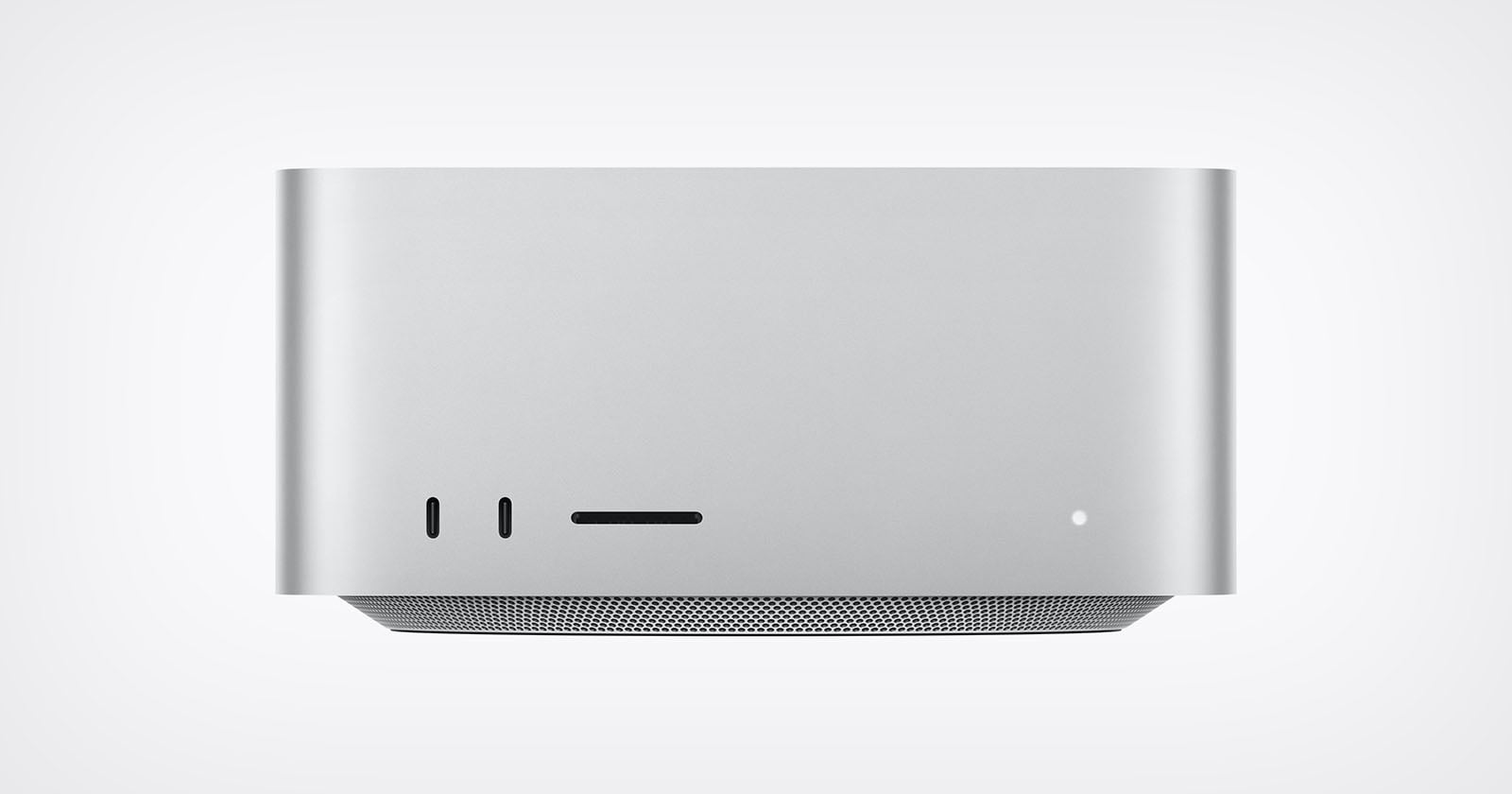
Apple has unveiled the M5 Ultra chip and the first Mac to feature it: the upgraded, super-powerful Mac Studio.
Read on the original site
Open the publisher's page for the full experience