Apple Threat Notifcation Sent to Users in 110 Countries
Our take
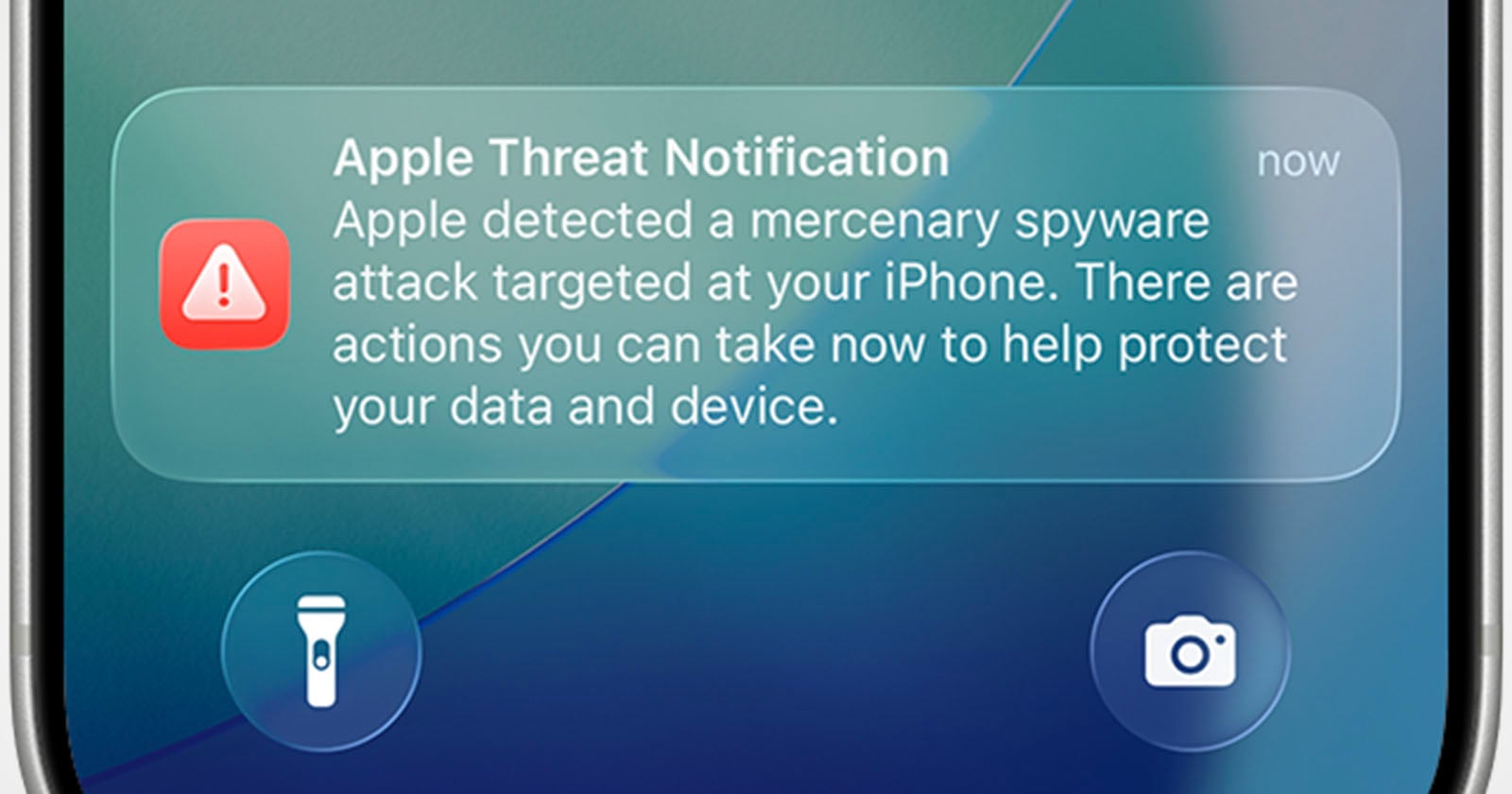
The recent dispatch of threat notifications by Apple to users across 110 countries represents a significant escalation in the ongoing battle against sophisticated digital surveillance. While cybersecurity threats are commonplace, the specificity of Apple’s warning – referencing potential “mercenary spyware” attacks – elevates this beyond the usual phishing scams or malware concerns. This isn't about protecting against routine digital nuisances; it’s about acknowledging the possibility of targeted attacks utilizing state-sponsored or highly-funded tools. The implications for privacy and personal security are profound, particularly given the global scope of the alert. It’s also worth noting the recent controversy surrounding an Italian Apple ad featuring a toddler with an iPhone sparks controversy, highlighting the increasing scrutiny Apple faces regarding its role in both facilitating and potentially exposing users to security vulnerabilities. The simultaneous leak of Nikon's future plans, potentially linked to Apple, discussed in Is There Anything Special About Google’s Pixel 11 Series?, underscores the complex interplay of technological innovation and security risks within the broader tech ecosystem.
The term "mercenary spyware" is key here. This refers to software, often developed and deployed by private companies, but frequently employed by governments or their proxies to monitor individuals. These tools are notoriously difficult to detect and remove, often exploiting zero-day vulnerabilities – previously unknown flaws in operating systems or applications – to gain access to a device. The fact that Apple, a company fiercely protective of its reputation for security, is issuing these warnings suggests the severity of the threat. While Apple hasn’t disclosed specific details about the attacks or the affected users, the very act of sending these notifications signals a recognition that a subset of its user base is being actively targeted. The scale – 110 countries – is also notable, indicating that this isn’t a localized issue but a widespread problem affecting individuals across diverse geopolitical landscapes. It’s a chilling reminder that even with robust security measures, no platform is entirely immune to sophisticated attacks. The emergence of innovative technologies like those showcased in Honor’s AI-Powered, Gimbal-Equipped Robot Phone Just Launched in China further complicates the security landscape, introducing new potential avenues for exploitation.
The response from experts advising users not to ignore these notifications is critical. While the precise steps to take will vary depending on individual circumstances, the general advice is to enable advanced security features, review app permissions, and be wary of suspicious links or attachments. The fact that Apple is proactively alerting users demonstrates a commitment to transparency, albeit one born out of necessity. This incident underscores a broader trend: the increasing sophistication of cyberattacks and the growing vulnerability of individuals to targeted surveillance. It's no longer enough to rely solely on the security measures provided by device manufacturers; users must also adopt a proactive and informed approach to protecting their digital privacy. The increasing prevalence of these attacks also points to a potential arms race between security providers and those seeking to circumvent them, a cycle that will likely continue to escalate.
Looking ahead, this incident raises fundamental questions about the balance between privacy, security, and the power of nation-states. Will Apple, and other tech giants, become increasingly proactive in identifying and alerting users to potential threats, even if it means revealing uncomfortable truths about the vulnerabilities of their platforms? How will governments respond to these disclosures, particularly if they are implicated in the deployment of mercenary spyware? And perhaps most importantly, what new safeguards can be developed to protect individuals from increasingly sophisticated and targeted surveillance, ensuring that technology serves to empower rather than to control? The unfolding situation demands continued vigilance and a critical examination of the evolving digital landscape.
Apple has deployed an alarming threat notification to an unspecified number of users in 110 countries -- experts advise not to ignore it.
Read on the original site
Open the publisher's page for the full experience