Our Take
In the demanding world of photojournalism, where capturing fleeting moments with clarity and impact is paramount, the choice of equipment is a critical consideration. It’s a genre that thrives on resilience and responsiveness, demanding tools that are not only robust enough to withstand the rigors of the field but also swift enough to seize opportunities as they unfold. Beyond sheer durability and speed, the pursuit of exceptional image quality, particularly in challenging low-light conditions, is non-negotiable. While the full-frame camera market offers a wealth of options for photojournalists, the APS-C segment, though less populated, presents compelling alternatives that merit exploration for those seeking a balance of performance, portability, and value.
The essence of photojournalism lies in its authenticity, in its ability to translate raw experience into compelling visual narratives. This necessitates cameras that can perform under pressure, delivering sharp images with excellent detail and impressive high ISO capabilities, ensuring that even in dimly lit environments, the story can be told without compromise. The tactile experience of using a camera, its ergonomic design, and the intuitive nature of its controls also play a significant role in enabling photographers to remain present and focused on their subjects. When these elements converge with the artistic potential inherent in high-quality optics and sensor technology, the resulting images possess a depth and resonance that truly capture the spirit of a moment.
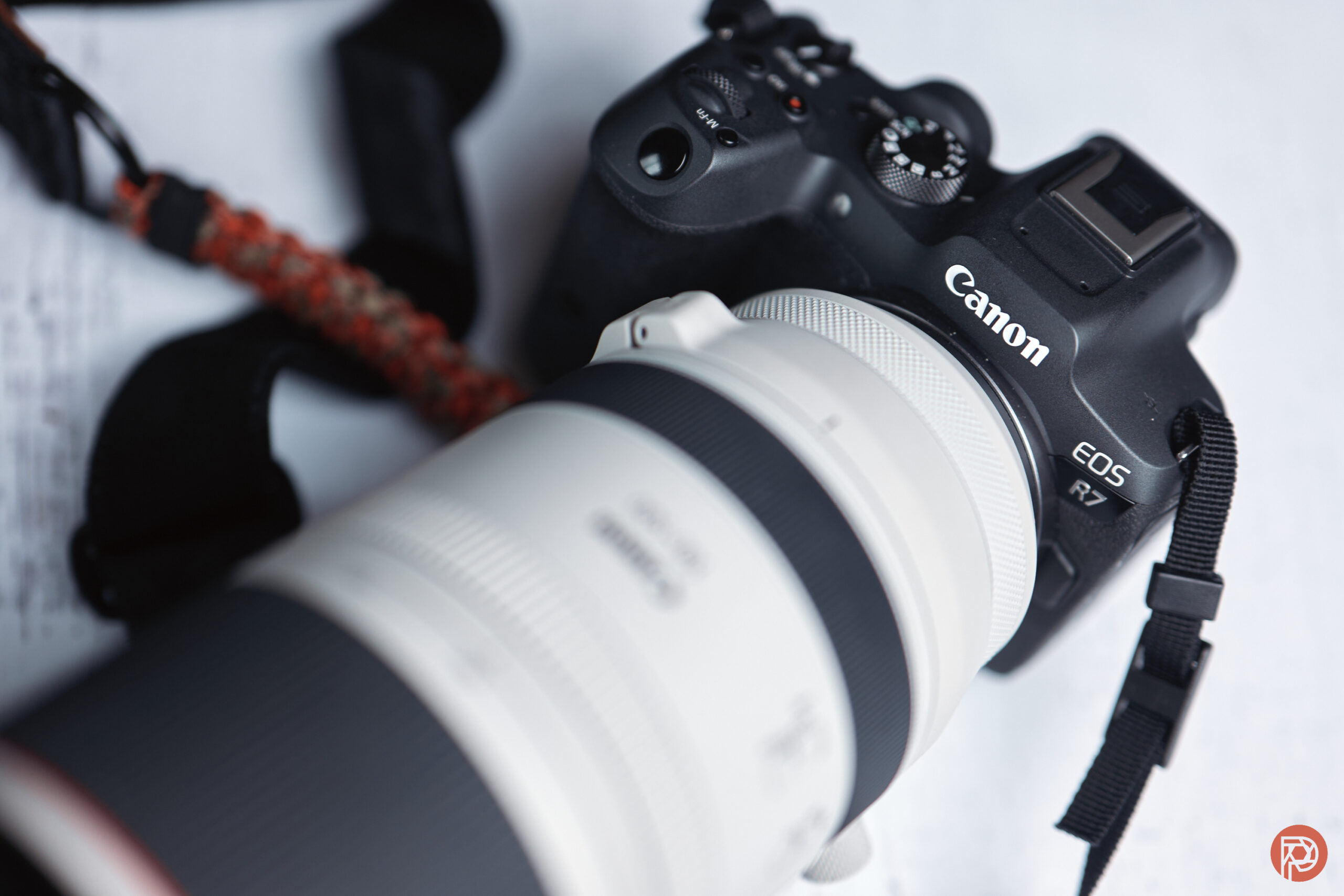
It is within this context that we turn our attention to two specific APS-C cameras that stand out, offering a curated selection for the discerning photojournalist. These are not merely devices; they are extensions of the creative vision, designed to empower photographers to document the world with a blend of technical excellence and artistic flair. By focusing on the unique strengths of the APS-C format, which often translates to lighter, more compact systems without sacrificing significant image quality, we can uncover tools that not only meet the practical demands of the profession but also inspire a more agile and immersive approach to visual storytelling. These selections are made with an understanding of the vital connection between the photographer, their equipment, and the stories waiting to be told.