Are We Overthinking Photography?
Our take
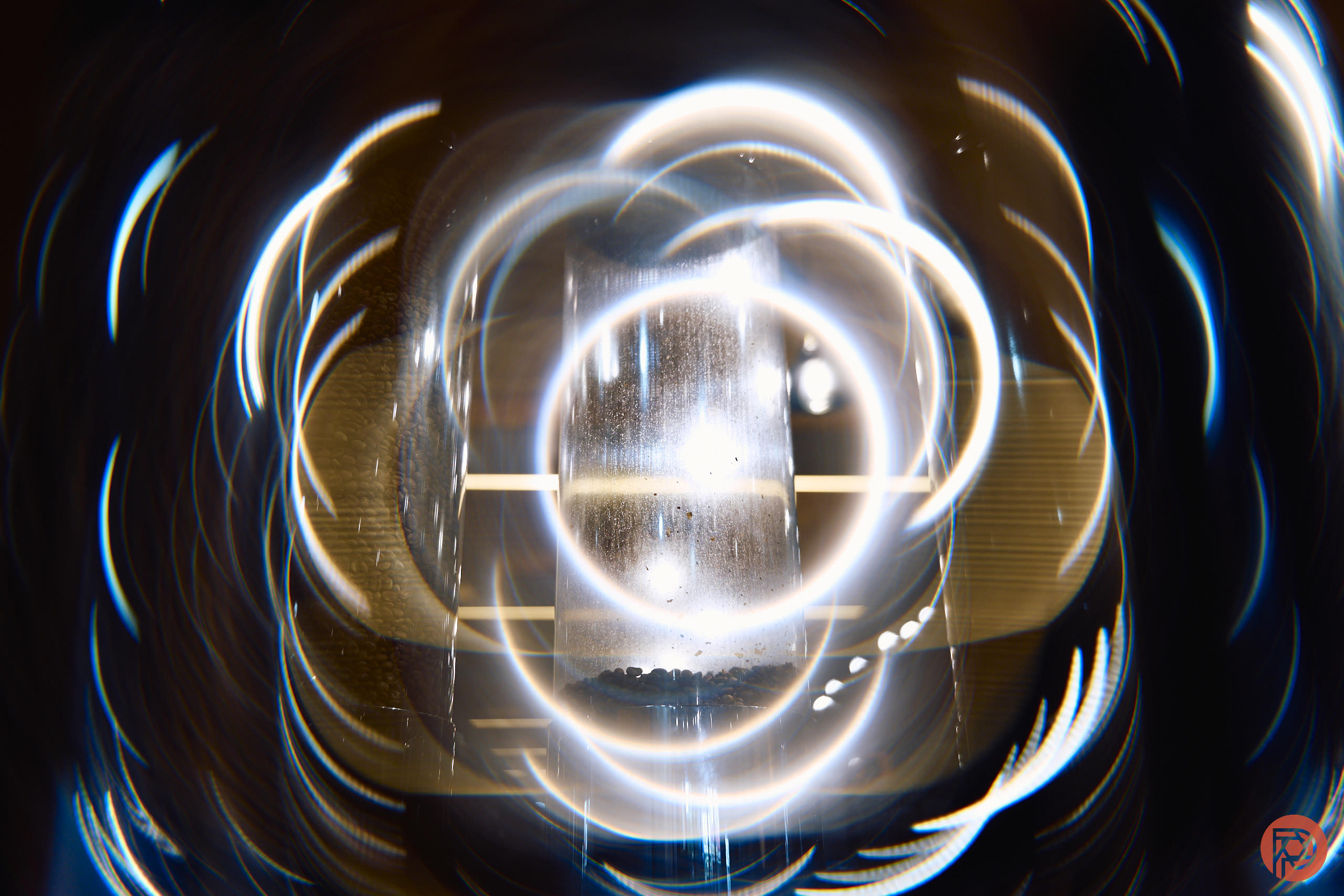
In an era where the immediacy of visual content dominates our communication, contemporary photography finds itself at a crossroads. The evolution of photography over the last decade has not only transformed the medium but has also reshaped our relationship with images. As highlighted in the article "Are We Overthinking Photography?", the modern viewer is often conditioned to seek context before appreciating the image itself. This shift, largely influenced by social media's pervasive presence, challenges the inherent value of a photograph as an independent work of art. It raises critical questions about authenticity and the pressure to conform to prescribed emotional responses.
The phenomenon of contextualizing images before experiencing them is not merely a trend; it reflects a broader cultural shift influenced by the saturation of visual content in our daily lives. Photographs, once vessels of unfiltered expression, are now often accompanied by narratives that dictate how we should perceive them. This growing need for context can be seen as a response to the overwhelming volume of images we consume, where the unique voice of the artist risks being overshadowed by external interpretations. The implications of this trend are profound, particularly for those invested in the artistic integrity of photography. As we navigate a landscape where the influence of social media is paramount, the essence of photography as a medium of personal and artistic expression becomes increasingly vulnerable.
Moreover, this crisis of perception extends beyond individual photographers to affect the industry as a whole. The reliance on context can dilute the power of an image, reducing it to mere content that serves a purpose rather than a standalone piece of art. This sentiment resonates with the discussions in related articles, such as "The $25 That’s Saving Independent Photography Journalism," which underscores the struggle for authenticity amid commercial pressures. Similarly, the technological advancements discussed in "Will upcoming devices Insta360 Luna Ultra support 'Cubemap' or low-frame RAW panorama modes for Virtual Tours?" remind us that while innovation can enhance the medium, it also introduces complexities that challenge traditional notions of artistry.
As we reflect on the implications of this evolving relationship with photography, it's essential to consider how we can reclaim the spontaneity and rawness that originally defined the medium. The question arises: how can photographers and audiences alike cultivate an appreciation for images that allows them to exist authentically, without the need for imposed narratives? Engaging with photography in a way that values the unmediated experience may be the key to reclaiming its artistic essence.
As we move forward, the challenge lies in finding a balance between context and the intrinsic value of the photograph itself. Are we, as consumers of images, ready to embrace the complexity of interpretation without losing sight of the beauty in simplicity? This evolving dialogue invites us to consider the future of photography in an age dominated by context, and the responsibility we hold as both creators and viewers in shaping its trajectory. The exploration of this dynamic will undoubtedly influence how we engage with visual storytelling and the artistry that underpins it.
Read on the original site
Open the publisher's page for the full experience