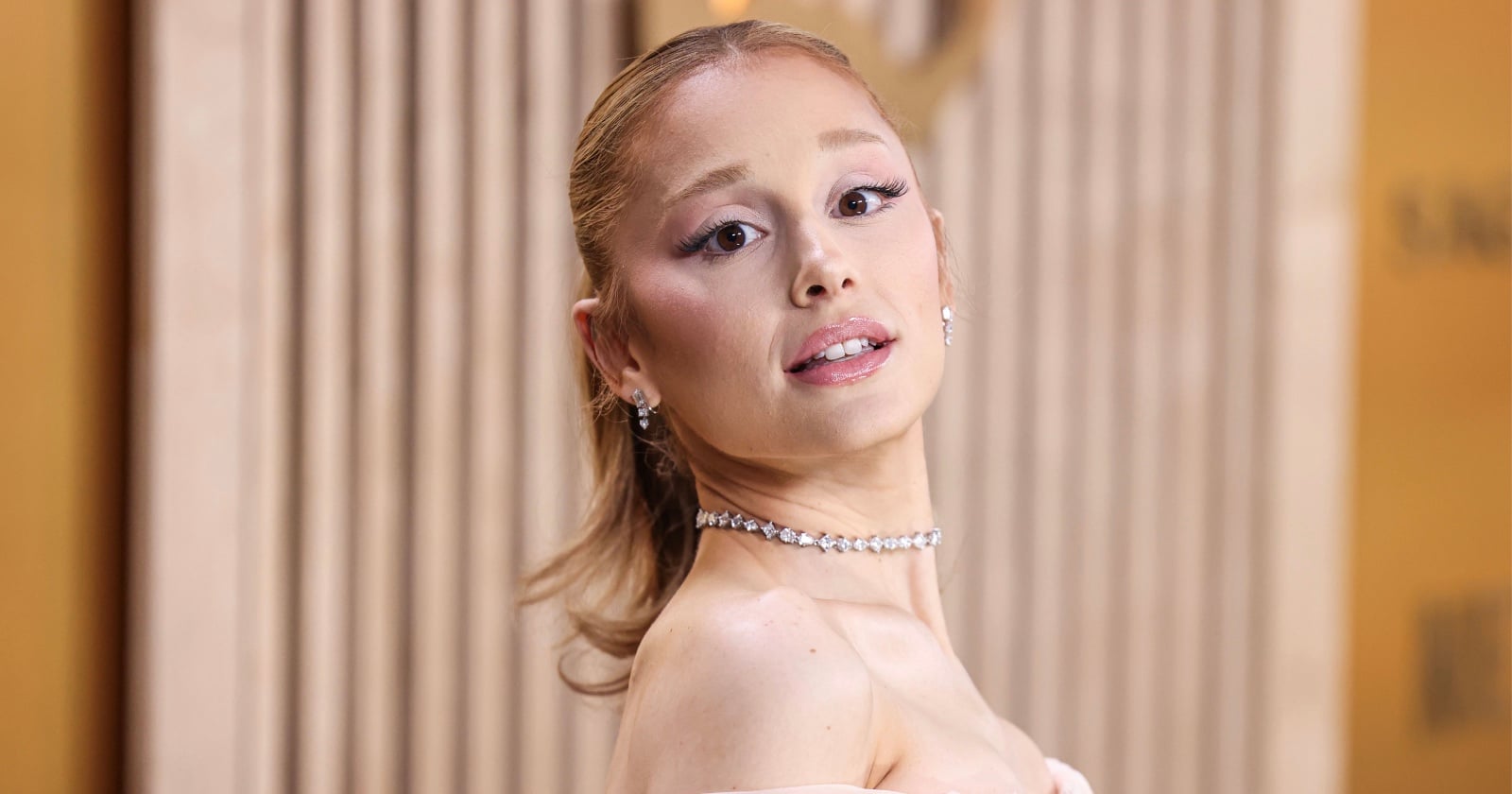
There is a particular kind of violation that sits beneath the surface of a stolen photo. It is not just the image itself, but the quiet trust that was broken to obtain it. Ariana Grande's recent lawsuit against hackers who impersonated her photographers reminds us that the creative ecosystem is only as secure as its most vulnerable human link. The complaint alleges a targeted scheme, one that moved through the very people she relied on to capture her public moments, before unreleased images found their way into the wrong hands. This is not a story about a celebrity complaining about lost privacy in the abstract. It is about the mechanics of access, and how easily a curated world can be breached from within.
For our readers, this news carries a practical echo. If a global pop star with a team of lawyers and security professionals can be undone by a well-placed impersonation, what does that say about the rest of us? The photographers in this case were not the target because they were famous. They were the target because they held the keys. This is a lesson in operational hygiene that extends far beyond the red carpet. It is a reminder that the most sophisticated firewalls often come down to a single convincing email or a phone call that feels just familiar enough. We would tell anyone reading this to look at their own creative workflow, the shared drives, the cloud folders, the text threads where work and life blur, and ask themselves who else has a key. The artistic spirit thrives on openness, but the logistics of it demand a healthy layer of suspicion.
What makes this case particularly compelling is the layered betrayal. The hackers did not just steal from Grande; they stole from the photographers who were doing their jobs, and they weaponized the very relationship that is supposed to be built on mutual trust. This is where the story moves beyond a legal brief and into something more resonant. It speaks to the uncomfortable truth that authenticity, the very quality we champion in this space, is often the exact tool used against us. The impersonation works because we want to believe in the connection. We want to think the person on the other end of the line is who they say they are. That instinct is beautiful, and it is also a vulnerability.
The specific detail to watch here is not the damages or the injunction, but the method. How deep did the impersonation go? Was it a simple email swap, or did the hackers engage in a longer game, building a rapport before striking? That answer will define the precedent this case sets. If the court holds that the hackers crossed a distinct line by targeting the photographer's relationship as a vector, it could force the industry to rethink how visual content is shared and verified. For now, the takeaway is concrete and worth quoting: trust is the most valuable currency in this creative economy, but it should never be the only security measure you rely on. We would advise every photographer, every artist, every person with a body of work on a hard drive to consider that the hack is not always a brute force attack. Sometimes, it is a beautifully crafted piece of social engineering that exploits the one thing we all want to believe in: that we know who we are talking to.