Ariana Grande Sues Hackers Who Impersonated Her Photographer and Sold Unreleased Photos
Our take
## Our Take: The Escalating Threat to Artistic Control in the Digital Age
Ariana Grande’s lawsuit against the hackers who stole and leaked unreleased photographs is more than just a celebrity legal battle; it’s a stark illustration of the increasingly precarious position of artists and creators in a digital landscape rife with exploitation. The brazen impersonation of her photographers, followed by the theft and sale of proprietary work, highlights a vulnerability that extends far beyond the realm of pop stardom. This incident echoes similar concerns voiced within the photography industry and across creative fields, particularly as AI-generated imagery becomes more sophisticated and easily disseminated. The ease with which digital assets can be replicated, distributed, and monetized without consent presents a formidable challenge to copyright protection and artistic ownership. This situation brings to mind the ongoing debate surrounding deepfakes and the ethical considerations of AI art generation – both areas where safeguarding creative integrity is paramount. For those interested in a deeper dive into the legal battles surrounding AI and copyright, we recently explored AI Art and Copyright Law: A Murky Landscape and also examined The Fight for Photographer's Rights in the Age of AI.
The lawsuit's significance lies in its potential to set a precedent regarding the responsibility of online platforms and the legal recourse available to creators when their work is compromised. While the legal process will likely be protracted and complex, Grande’s willingness to pursue this action signals a growing determination to protect intellectual property and challenge the normalization of digital theft. The fact that the hackers impersonated her photographers, rather than directly targeting Grande herself, adds a layer of complexity to the case. It underscores the importance of robust security measures not only for high-profile figures but also for the supporting creative teams who collaborate with them. This also speaks to the broader issue of digital security awareness, which is often overlooked in the fast-paced world of creative production. The potential financial damages, reputational harm, and erosion of trust stemming from such breaches are substantial, and the legal system needs to adapt to effectively address these evolving threats.
Beyond the immediate legal ramifications, this case sparks a critical conversation about the value of exclusivity and the role of controlled release in building anticipation and maintaining artistic vision. The deliberate withholding of certain images—whether for editorial purposes, upcoming projects, or simply to curate a specific narrative—is a fundamental aspect of creative control. Leaks disrupt this process, undermining the artist’s ability to shape public perception and potentially devaluing the work itself. The current digital ecosystem often rewards immediacy and instant gratification, but this incident serves as a powerful reminder of the importance of respecting the artist’s timeline and creative choices. The increasing reliance on digital distribution channels has, ironically, made protecting these choices more difficult, requiring a multi-faceted approach that combines legal action, technological safeguards, and a shift in cultural norms around respecting creative property. We previously discussed The Changing Landscape of Image Rights which touches upon the challenges of protecting digital assets in an increasingly interconnected world.
Looking ahead, this case will undoubtedly fuel further scrutiny of online security protocols within the creative industries and potentially lead to more stringent legal frameworks for protecting intellectual property in the digital age. The question remains: how can artists and creators effectively navigate this complex landscape, balancing the desire for broad exposure with the need to safeguard their work from unauthorized use and distribution? Will we see a rise in blockchain-based solutions for verifying image authenticity and provenance, or will the legal system continue to be the primary battleground for protecting artistic rights? The outcome of Grande’s lawsuit, and similar cases to come, will significantly shape the future of creative control in an increasingly digitized world.
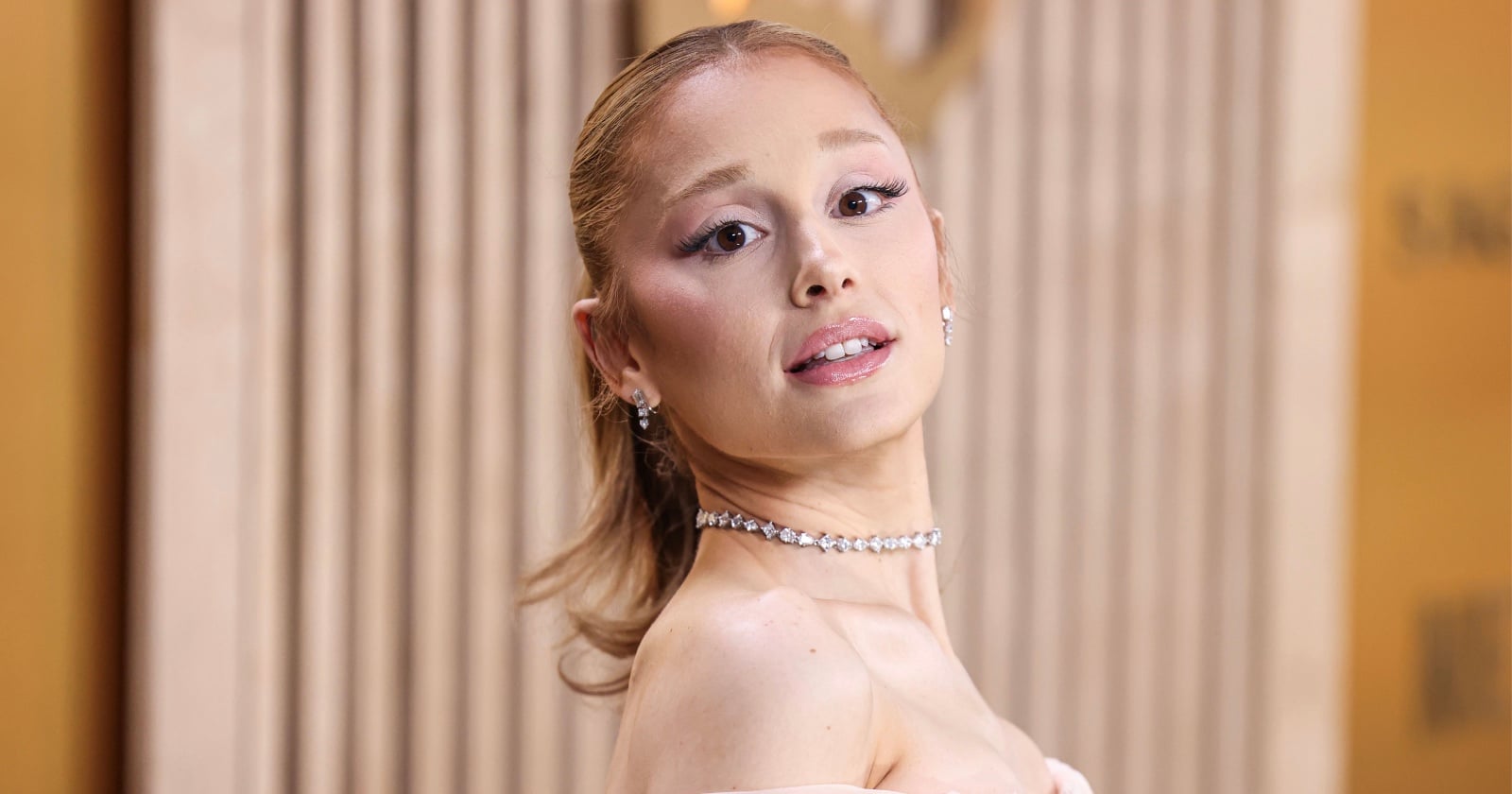
Ariana Grande has filed a lawsuit against hackers she claims targeted several of her photographers before stealing and leaking unreleased photos.
Read on the original site
Open the publisher's page for the full experience