Art Lovers Should Come to The 5 Boro Foto Fest
Our take
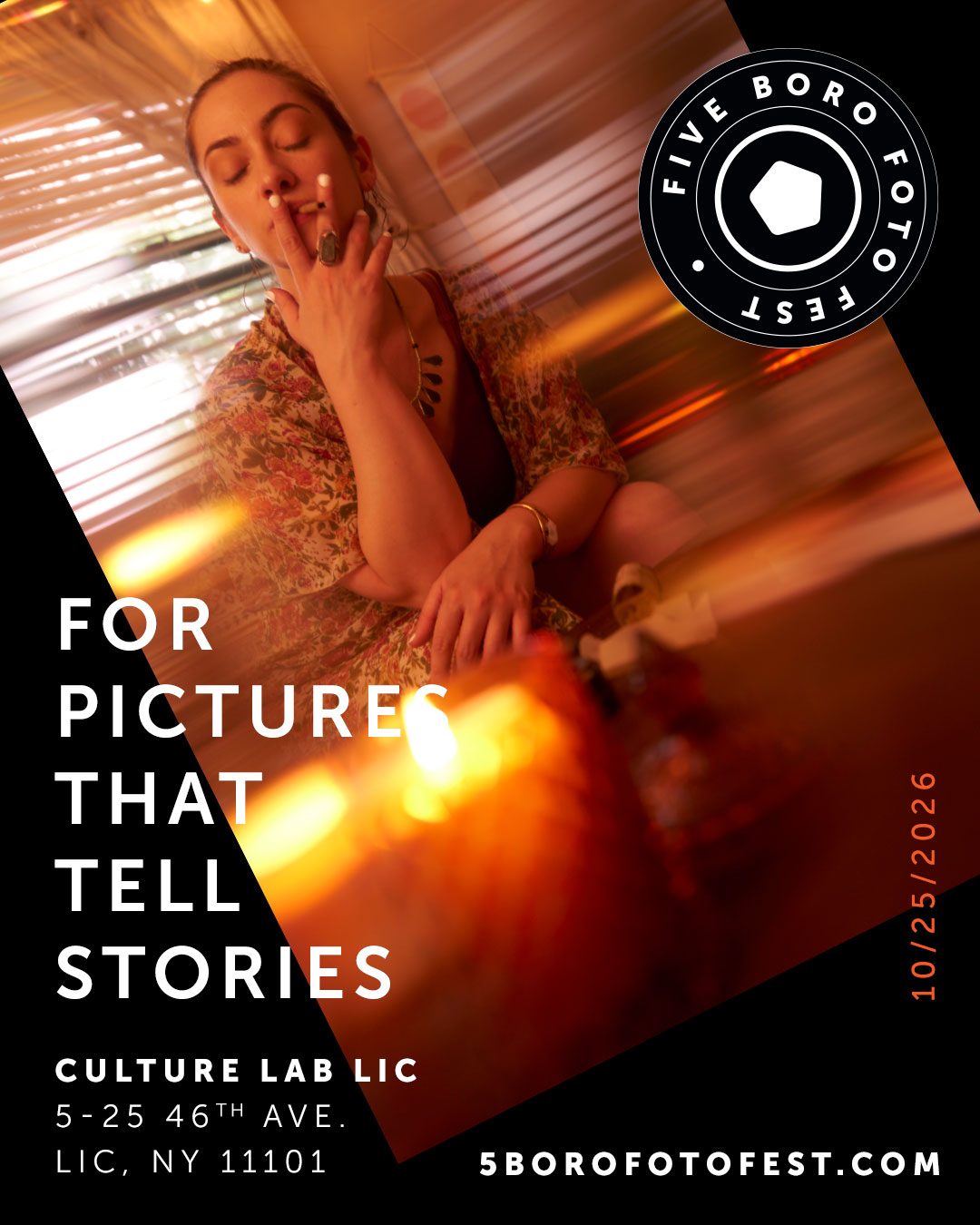
The photography landscape is undergoing a seismic shift, and The Phoblographer's 5 Boro Foto Fest feels like a vital response. For years, the industry has grappled with the dominance of algorithms, the proliferation of digital imagery, and a growing disconnect between creators and consumers. We’ve seen this tension play out in countless debates about the impact of AI on artistic expression – a discussion we’ve explored extensively, such as in The AI Photography Debate: A Deep Dive – and the challenges of sustaining a career in a market flooded with easily produced content. The announcement of this festival, designed to prioritize human connection and tangible art, signals a yearning for something more authentic, a return to the foundational values of photography as a craft and an art form. It’s a bold move, particularly given the increasing trend of online marketplaces and the perceived convenience of digital distribution, and demonstrates a commitment to fostering a community around physical prints and direct artist-audience engagement. This isn't just about selling photographs; it's about rebuilding a relationship, a conversation, that has been eroding in the digital age.
The core concept – a space free from algorithms and generative AI, showcasing the work of real photographers – is remarkably resonant. The digital world, while offering unprecedented reach, can also homogenize aesthetics and prioritize trending content over genuine artistic merit. The 5 Boro Foto Fest aims to counteract this by providing a curated platform where the tactile experience of printed art can be appreciated, and the stories behind the images can be shared directly by the creators. This echoes a broader movement towards valuing craftsmanship and tangible goods in a world increasingly dominated by the ephemeral. We've previously discussed the resurgence of film photography and the appeal of analog processes, a trend that suggests a deeper desire for authenticity and a rejection of purely digital experiences Why Film Photography Is Still Relevant. The festival's focus on sustainability also speaks to a growing awareness of the environmental impact of our consumption habits and a desire to support ethical and responsible practices within the creative industries.
Beyond the immediate benefits for photographers – providing a direct sales channel and a platform for showcasing their work – the 5 Boro Foto Fest holds significance for art lovers as well. It offers a unique opportunity to discover emerging talent, engage with artists on a personal level, and acquire original art that transcends the fleeting nature of digital images. The “5 Boro” designation itself suggests a commitment to representing a diverse range of perspectives and artistic styles, reflecting the rich cultural tapestry of New York City. This emphasis on curation and human connection is a powerful antidote to the overwhelming volume of content that often obscures genuine artistic expression. It’s about rediscovering the joy of browsing a physical exhibition, encountering unexpected works, and forming a personal connection with the artist and their vision. The event’s success will depend on attracting both a dedicated audience of photography enthusiasts and a broader community of art lovers seeking a more meaningful engagement with visual culture.
Looking ahead, the 5 Boro Foto Fest represents a crucial experiment in redefining the relationship between photography, art, and commerce. Will it spark a wider movement towards reclaiming physical space for artistic expression? Will other organizations follow suit, creating similar platforms that prioritize human connection and sustainability? Perhaps the most compelling question is whether this model can be replicated and scaled, demonstrating that a thriving artistic ecosystem can exist outside the algorithmic confines of the digital world. The festival's impact will likely extend beyond its immediate footprint, potentially influencing the development of new business models and creative strategies for photographers and art organizations alike. It’s a development worth watching closely, as it could signify a fundamental shift in how we value and consume visual art.
Read on the original site
Open the publisher's page for the full experience