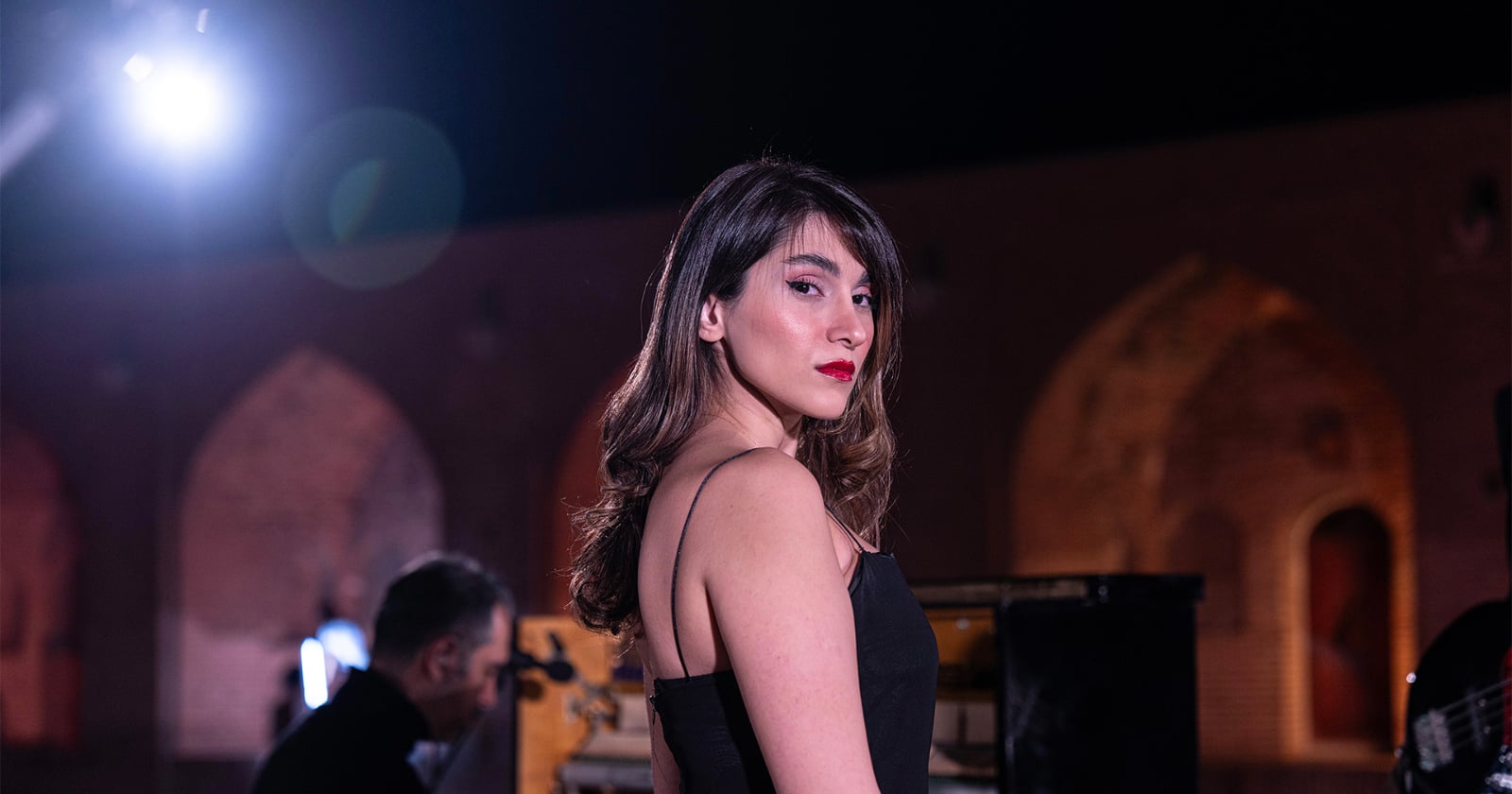
A single image, a black dress, hair loose, a glance over the shoulder. That portrait of an Iranian singer has cost the photographer who captured it a sentence of 74 lashes, a travel ban, and a prohibition on artistic activity. We read this and we feel the weight of a shutter closing, not just on one photograph, but on an entire way of seeing. This is not a distant headline; it is a stark reminder of what it means to create in a space where the act of looking is political. We spend so much time discussing the craft of our own work, the nuances of light, the comfort of our subjects, the latest lens technology, and yet here, the fundamental right to make an image is being violently suppressed. It makes our own creative freedom feel both precious and precarious.
For our community of photographers and visual storytellers, this story is a call to recognize the power embedded in our own practices. We share tips on Cultivating Connection: Creating Comfortable Portrait Experiences and celebrate the artistry of tools like the Leica Lux 2.0: Crafting iPhone Photography with Artistic Vision, but we must also acknowledge that the act of creation is not always safe. Our conversations about Collaborate & Create: Boudoir Sessions Offered Across Florida's Coast are built on a foundation of trust and consent, but that trust is a luxury not everyone is afforded. The photographer in Iran did nothing wrong; they captured a moment of artistic expression. The consequence is not a failure of their art, but a chilling testament to the threat that art poses to authoritarian power.
Our honest take is this: the sentence is not just about one image. It is an attempt to silence the visual language itself, to tell artists that their voice is a crime. For our readers, the practical implication is to understand the gravity of our platform. We are not just creating pretty pictures; we are participating in a global dialogue about freedom. When we see a story like this, we are asked to look beyond the frame and recognize that our own projects, however local or personal, are part of a larger continuum. It should not paralyze us, but it should deepen our appreciation for the spaces where we can create without fear.
We would tell a reader who asks about this: do not look away. Let this fuel your commitment to documenting the world, but also let it remind you that your safety and the safety of your subjects is the first priority. The specific detail to watch is the global reaction, whether the photography community will rally with more than just words of support. Will we use our platforms to amplify this story, to ensure that the cost of this photograph is not paid in silence? The concrete point to hold onto is that this photographer's name could be a rallying cry, but only if we choose to remember it. The sentence is harsh, but the memory of the image, and the cost of its making, is a weight we all now carry.