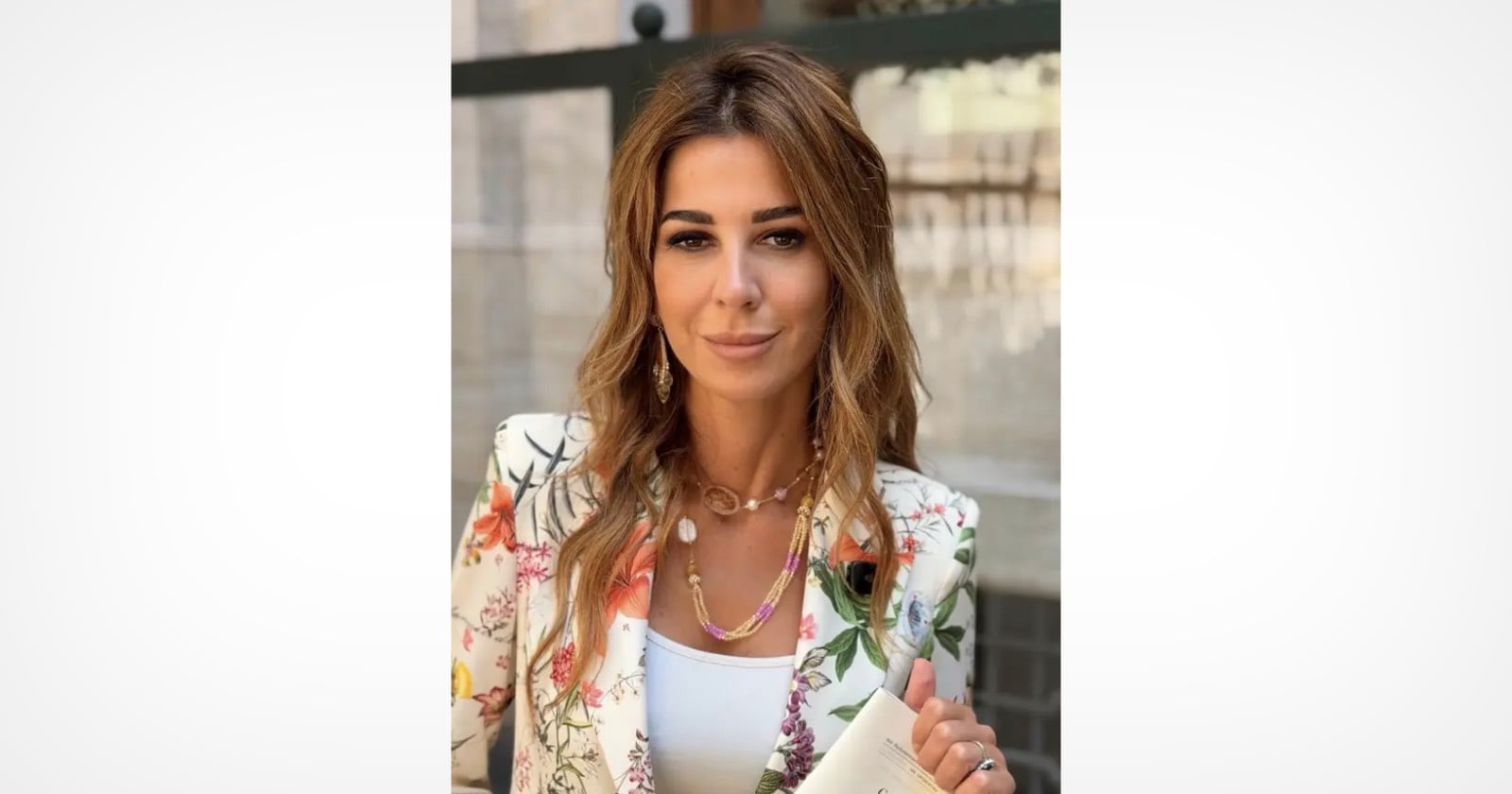
There is a difference between using a tool to create and using it to diminish. An Italian politician recently shared an AI-manipulated image that digitally "undressed" a female lawmaker, sparking predictable outrage. The act itself is a violation, but the context makes it more than a headline. Months earlier, Italy's prime minister shared a deepfake nude image of herself to warn the public about this exact technology. She turned her own weaponized image into a warning. Now, another politician has taken that warning and ignored it. This is not a story about technology. It is a story about choice.
We have written before about the blurring line between creation and deception. In A Curated Moment: Trump Shares Altered Image on Truth Social, we saw a political figure use a doctored photo to shape perception. That image was about power and narrative. This Italian case is about control and humiliation. Both rely on the same mechanism, an audience willing to accept a manipulated image as truth, but the intent is fundamentally different. One seeks to rewrite a diplomatic moment; the other seeks to degrade a person. The distinction matters because it reveals how the same tool serves different masters. Meanwhile, in When Art Meets Oversight: ChatGPT's Private Images Were Shared Publicly, we saw that even private creative work is not safe from leaking. The thread running through these stories is clear: the line between what is shared willingly and what is taken without consent has never been thinner.
Our honest take is this: the outrage is justified, but it is not enough. Outrage is reactive. It fades. What lasts is the normalization of the act. When a sitting prime minister has to preemptively weaponize her own image to warn citizens, and a colleague still feels entitled to do the same thing to another woman, the message is that the warning was heard and dismissed. The takeaway for our readers is a practical one: treat every image you see of a public figure, and every image you share of yourself, as potentially fungible. That is not cynicism. It is survival in a moment when artistic integrity has been replaced by digital convenience. The specific detail to watch is whether Italy's government responds with policy or with more statements. Deepfakes are not a future problem. They are the current language of political violence dressed in tech.