Astronaut Captures Dazzling Aurora Dancing Above Earth
Our take

The recent video shared by ESA astronaut Sophie Adenot showcasing the aurora borealis and australis dancing above Earth from the International Space Station is more than just a stunning visual spectacle; it’s a powerful reminder of the delicate beauty and dynamic forces at play in our planet's atmosphere. Such imagery underscores the importance of continued space exploration, not only for scientific discovery but also for fostering a deeper appreciation for the fragile ecosystem we inhabit. We’ve seen glimpses of this awe-inspiring phenomenon before, but Adenot’s perspective, captured from the unique vantage point of the ISS, offers an unparalleled level of immersion, highlighting the sheer scale and fluidity of these celestial displays. It’s a privilege to witness such a spectacle, and a testament to the ongoing advancements in space-based imaging. Considering the increasing role of advanced camera technology in space missions, as highlighted by Artemis II’s Nikon Z9 Was Way More Important for Science Than Expected, it’s clear that instruments like the Z9 are fundamentally reshaping our understanding of the universe, allowing for more detailed and scientifically valuable observations.
The aurorae, generated by charged particles from the sun interacting with Earth’s magnetic field, are a tangible manifestation of the interconnectedness of our solar system. This recent video arrives at a time when understanding space weather and its impact on Earth is becoming increasingly critical. Beyond the visual splendor, these events offer opportunities for scientific investigation, allowing researchers to study the dynamics of the magnetosphere and its influence on our planet’s environment. The dedication to advancing photographic processes, as exemplified by the Sigma Foundation’s work, including The Sigma Foundation’s Third Book is Focused on Experimental Photography, further demonstrates the powerful role of image-making in pushing the boundaries of scientific exploration and artistic expression. The ability to capture and analyze these auroral displays with increasing precision provides invaluable data for predicting and mitigating the effects of solar flares and geomagnetic storms, which can disrupt communications, power grids, and satellite operations.
The sheer technical accomplishment of capturing such high-quality video from the ISS shouldn’t be underestimated. It requires sophisticated equipment, meticulous planning, and the skill of astronauts like Adenot to operate effectively in a challenging environment. Furthermore, it’s worth noting the ongoing innovation in optical technology that makes these stunning visuals possible. The relentless pursuit of faster and more versatile lenses, a trend evident in advancements like Mitakon’s New Full-Frame Cine Primes Have a Ludicrously Fast T1 Aperture, directly contributes to the enhanced clarity and detail we now witness in images and videos from space. These technological leaps aren't solely about aesthetics; they’re about improving the quality of data collected, enabling scientists to glean more meaningful insights from observations of our planet and beyond.
Ultimately, Adenot’s video serves as a potent reminder of the profound beauty and inherent fragility of our planet, viewed through the lens of space exploration. As humanity continues to push the boundaries of space travel and scientific inquiry, the ability to capture and share these extraordinary moments will only amplify our connection to the cosmos and inspire future generations of explorers and scientists. The question remains: how can we leverage these increasingly accessible and immersive perspectives from space to cultivate a greater sense of planetary stewardship and promote a more sustainable future for all?
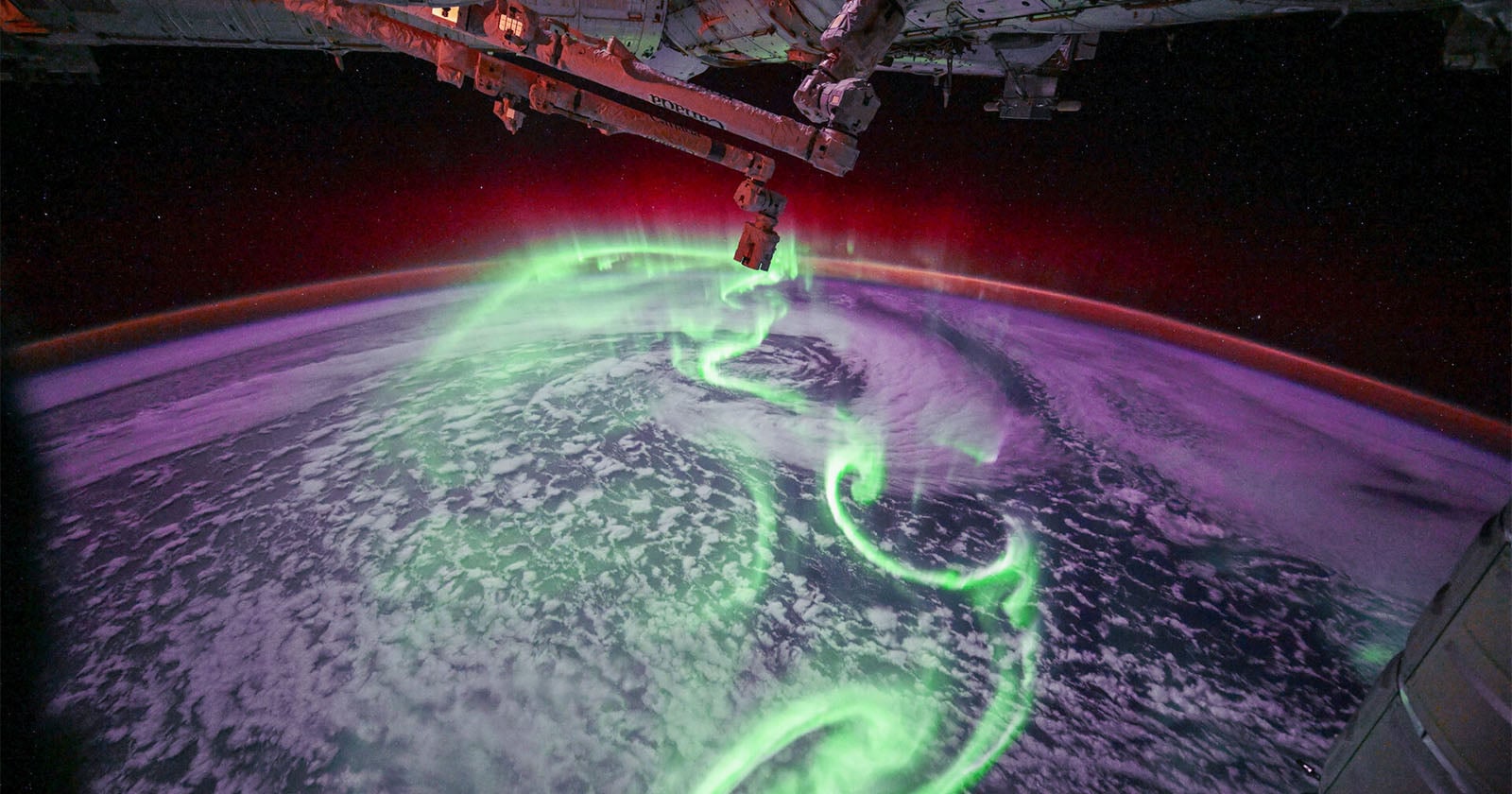
ESA astronaut Sophie Adenot (@soph_astro) was recently treated to incredible, dazzling aurora displays in space while aboard the International Space Station (ISS). While Adenot and the ESA shared photos last month, Adenot just shared an incredible video of auroras from space on social media today.
Read on the original site
Open the publisher's page for the full experience