Authorities Seize Over 300 Drones at US World Cup Venues
Our take
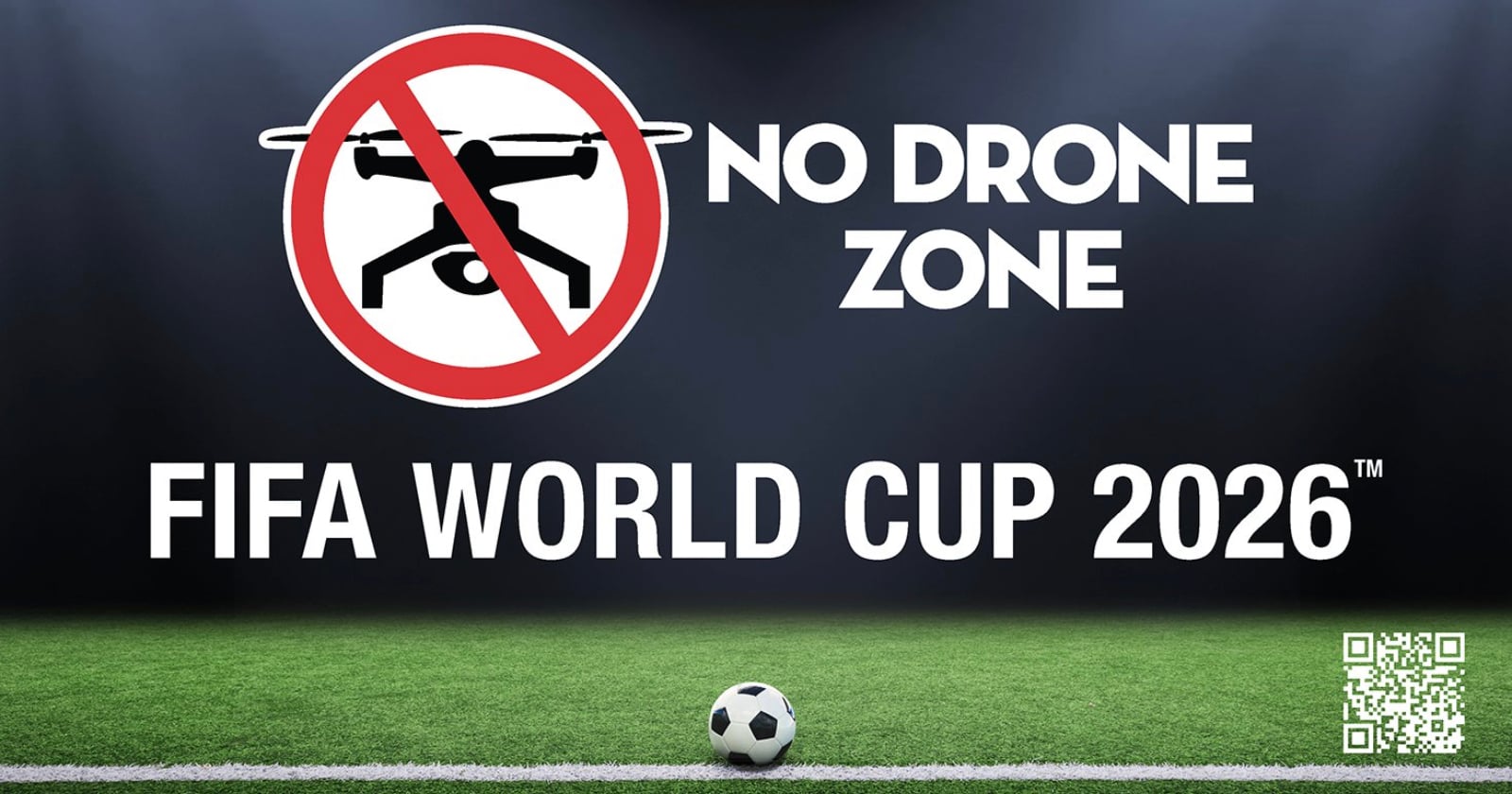
The recent seizure of over 300 drones near World Cup venues across the United States raises a fascinating intersection of security concerns, technological advancement, and the evolving landscape of event photography and videography. While the immediate reaction might be one of inconvenience for enthusiasts hoping to capture unique aerial perspectives, the move underscores a growing awareness of potential risks associated with unauthorized drone operation, particularly in sensitive environments. It’s a development that echoes similar restrictions at other large-scale events, but the sheer scale of the confiscations—hundreds of devices—highlights the proactive approach authorities are taking. The heightened security measures are, of course, a direct consequence of the World Cup’s global profile and the potential for malicious use, whether for surveillance, disruption, or more serious threats. This situation also brings to mind the increasing sophistication of drone technology, a trend we’ve previously explored through articles like [Tamron Breaks Barriers With Its 4.1x Zoom Lens for RF and Z Users], acknowledging the powerful imaging capabilities now readily available. The need to balance these advancements with public safety is increasingly critical.
The decision to implement such stringent measures isn't solely about preventing deliberate harm. Uncontrolled drone traffic, even from well-meaning hobbyists, can create significant hazards. Interference with aircraft, disruption of emergency services, and even simple collisions pose real risks. Furthermore, the potential for unauthorized data collection and privacy violations adds another layer of complexity. This situation is inextricably linked to the broader conversation surrounding drone regulation, a field that’s constantly grappling with how to foster innovation while mitigating potential dangers. The enforcement of “no drone zone” policies, as clearly indicated in the signage accompanying the event, demonstrates a commitment to prioritizing safety and security. It's a reminder that even recreational use of technology carries responsibilities and potential legal ramifications, particularly when operating near crowded or sensitive locations. The interest in capturing stunning imagery, as evidenced by the recent [Trail Camera Captures One of North America’s Most Elusive Mammals: The Ringtail], often drives technological innovation, but responsible usage must always be paramount.
Beyond the immediate impact on World Cup attendees, this event signals a broader shift in how large-scale events are secured. Expect to see more rigorous drone detection and mitigation strategies implemented at future gatherings, from concerts and sporting events to political rallies and festivals. The technology for detecting and neutralizing unauthorized drones is rapidly advancing, and authorities are likely to invest heavily in these capabilities. The cost of these measures will undoubtedly be passed on, either directly to event organizers or indirectly to attendees. Moreover, the legal landscape surrounding drone operation continues to evolve, with stricter regulations and harsher penalties for violations. This is not simply a matter of inconvenience; it's a reflection of a world increasingly wary of the potential for misuse of technology. Even the allure of capturing the perfect shot, as often seen during Prime Day deals on memory cards and storage solutions like those highlighted in [The Best Prime Day Deals on Memory Cards, SSDs, and NAS], must be tempered by an understanding of legal and safety considerations.
Ultimately, the World Cup drone seizure serves as a potent reminder that technological progress demands responsible governance. While drones offer incredible opportunities for creativity and innovation, their potential for misuse necessitates proactive measures to safeguard public safety and security. The question moving forward isn't simply *can* we fly drones near major events, but *how* can we ensure that drone technology is integrated into these spaces responsibly, allowing for both enjoyment and safety? Will we see the development of designated drone zones, or perhaps even sophisticated systems that allow for authorized drone operation within restricted areas, creating a balance between security and the desire to capture unique perspectives?
U.S. agencies have seized hundreds of drones near FIFA World Cup venues since the tournament began less than two weeks ago.
Read on the original site
Open the publisher's page for the full experience