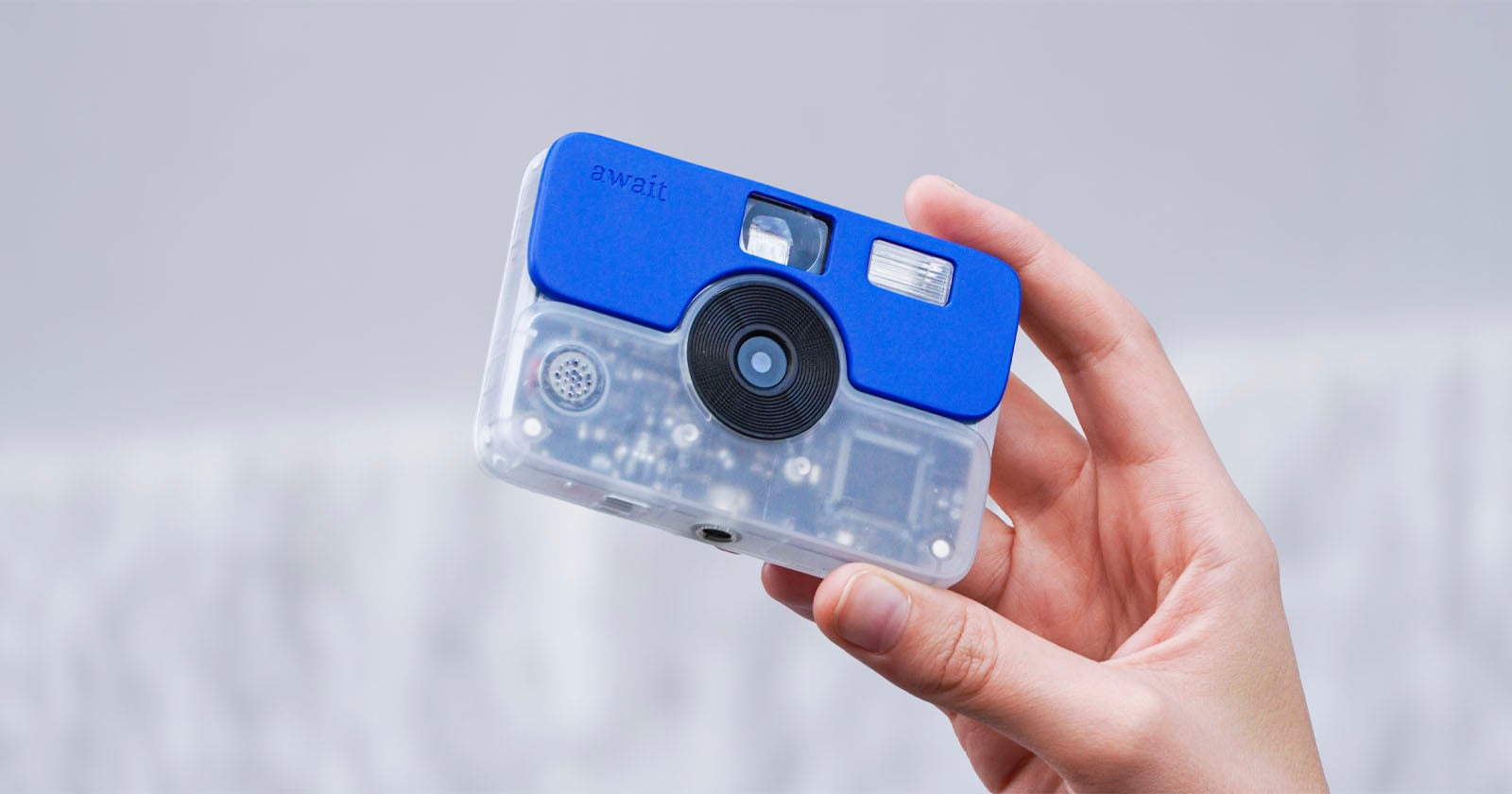
There is something quietly radical about a camera that asks you to wait. Await, the analog-inspired digital camera from Swiss-based Rolling Square, is not built for speed, and that is precisely its point. The device is a direct response to digital fatigue, a condition that feels less like a trend and more like the ambient hum of modern existence. For an audience that already sees fitness, beauty, and fashion as forms of curated expression, this camera offers a tool that mirrors the same philosophy: slow down, choose deliberately, and let the process be part of the reward. This is not a gadget for capturing everything; it is an instrument for capturing what matters.
The appeal here is not nostalgia for its own sake. We recently explored the allure of Embrace the Drama: Exploring the Allure of Ultra-Low ISO Film, where the scarcity of light forces a similar discipline. Await takes that same principle and translates it into a digital experience, stripping away the endless scroll of options and the instant gratification of review screens. It invites a more immersive relationship with the act of seeing. Compare this to the Nikon Z5 II C: A Curated Camera for Authentic Street Moments, which succeeds by shrinking its form factor and editing its feature set. Both cameras understand that less can be more, but Await goes further by making the constraint itself the central feature. It is a conscious rejection of the overwhelming, and for readers who already curate their wardrobes, their workouts, and their social feeds with intention, this is a natural extension.
What makes Await genuinely interesting is how it speaks to a deeper cultural shift. The rise of analog pursuits is not just about film grain or vintage aesthetics; it is about regaining a sense of agency over how we spend our attention. The camera's name is a signal in itself, a call to pause. Our editorial take is that Await succeeds not because it is technically superior, but because it is philosophically clear. It offers a curated escape, a small ritual in a world that rewards reactivity over reflection. For the creative collaborator or the health-conscious enthusiast, this is not a retreat from modernity but a smarter way to engage with it. The practical takeaway is simple: the next time you feel the pull to document, consider whether the tool you reach for is amplifying the noise or helping you find the signal.
The real test, of course, will be in the execution. Does the camera deliver on its promise without feeling gimmicky? Can it resist the pressure to add features in a future update? Those are questions only time will answer. What is certain, however, is that the appetite for this kind of intentional design is real, and it is growing. For now, Await has done something rare: it has created a product that feels more like a practice than a purchase.