There is a quiet irony in the history of photography that we rarely stop to consider. The earliest commercially viable cameras were beasts of burden, built to withstand the elements, the jostling of a wagon, the careless knock of a porter. They were solid, dependable, and almost indifferent to the rough handling they received. The glass slides they photographed onto, however, were delicate, requiring a surgeon's touch and a prayer with every insertion. Ansel Adams hauled this impossible weight into the Sierra Nevada, balancing the brute force of his equipment against the fragility of his medium, and produced images that feel monumental precisely because they were so difficult to make. That contrast, the sturdy shell protecting a brittle heart, defined the craft for generations.
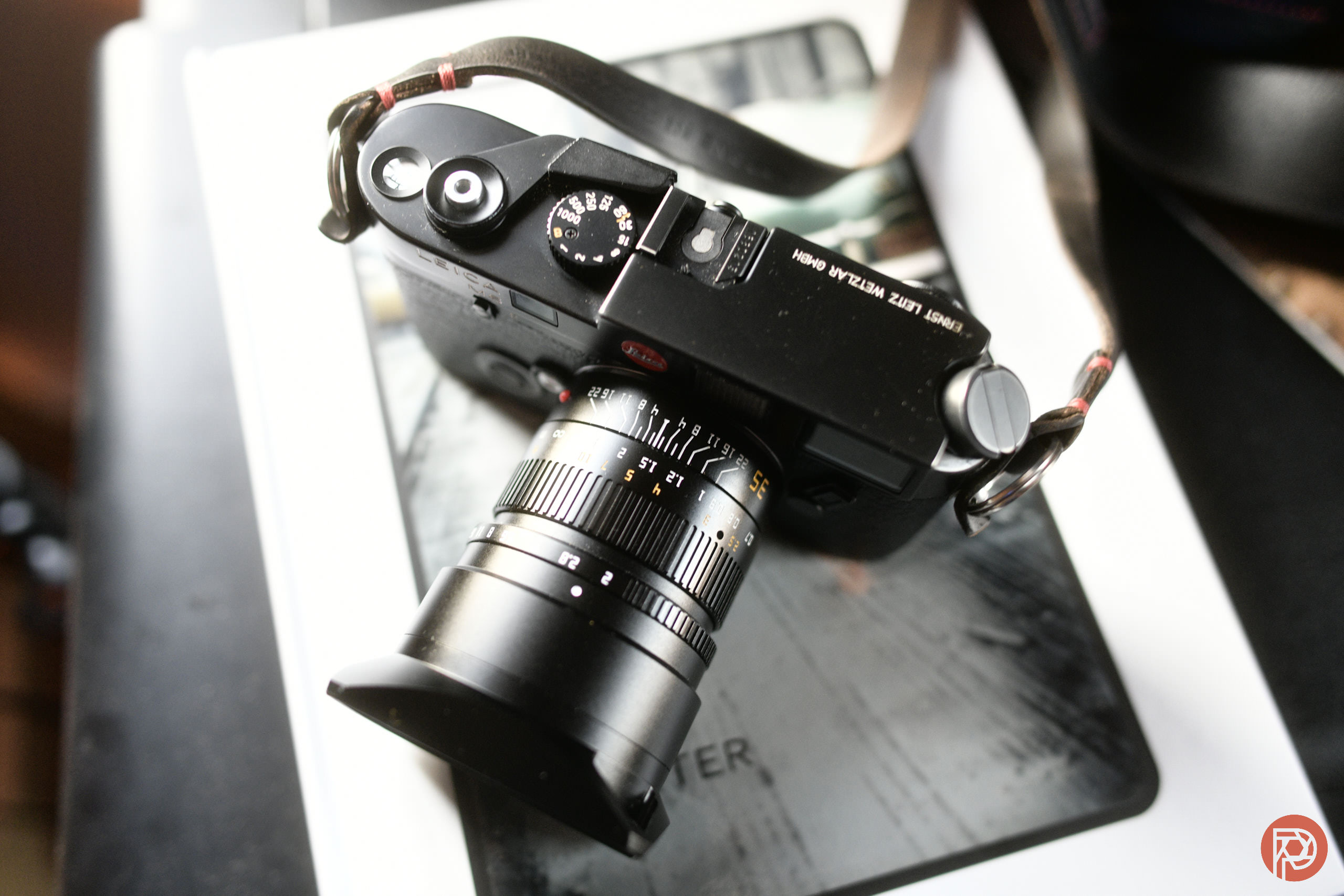
Somewhere along the way, though, the equation inverted. The camera, once a rugged tool, seemed to devolve into something more dainty, more egg-like. It became precious, a thing to be cradled and protected, and so we began to treat it as such. We wrap our gear in padded bags, cradle it against our chests on crowded subways, and flinch at the thought of a stray raindrop. The shift is understandable; modern cameras are intricate, packed with sensors and screens that feel far more vulnerable than a wooden box and bellows. But we have to wonder if we have lost something in that trade. We traded the resilience of the machine for the resilience of the image, and in doing so, we started to treat the act of making a photograph as a fragile, precious endeavor rather than a robust engagement with the world.
This is why we are drawn to the stories of those who still chase the difficult shot, whether it is the astrophotographer turning a lens to the cosmos or the artist embracing the unforgiving nature of ultra-low ISO film. Capturing Cosmic Beauty: An Astrophotography Journey with Nikon reminds us that the sky is the ultimate rough terrain, and the equipment we use to capture it is just a vehicle for our intent. Similarly, Embrace the Drama: Exploring the Allure of Ultra-Low ISO Film celebrates a medium that demands patience and precision, where the margin for error is razor-thin. These are not pursuits for the faint of heart, and they are certainly not for those who treat their cameras like eggs. They are for those who understand that the image is the point, not the device.
Our honest take is this: we have become too precious with our tools. The camera is not a fragile egg; it is a hammer, a brush, a shovel. It is meant to be used, scuffed, and occasionally dropped. The real fragility lies in the idea, the moment, the light that disappears before we can frame it. So, the next time you hesitate to bring your camera out of fear of a scratch, ask yourself what Ansel would do. He would have loaded another glass slide and kept walking. We should, too. And if we are honest, the most compelling work we will ever make will come from treating the world as the subject, not the camera. The question we should be asking is not "How do I protect this device?" but "What am I willing to risk to capture what I see?" That is the only question that has ever mattered.