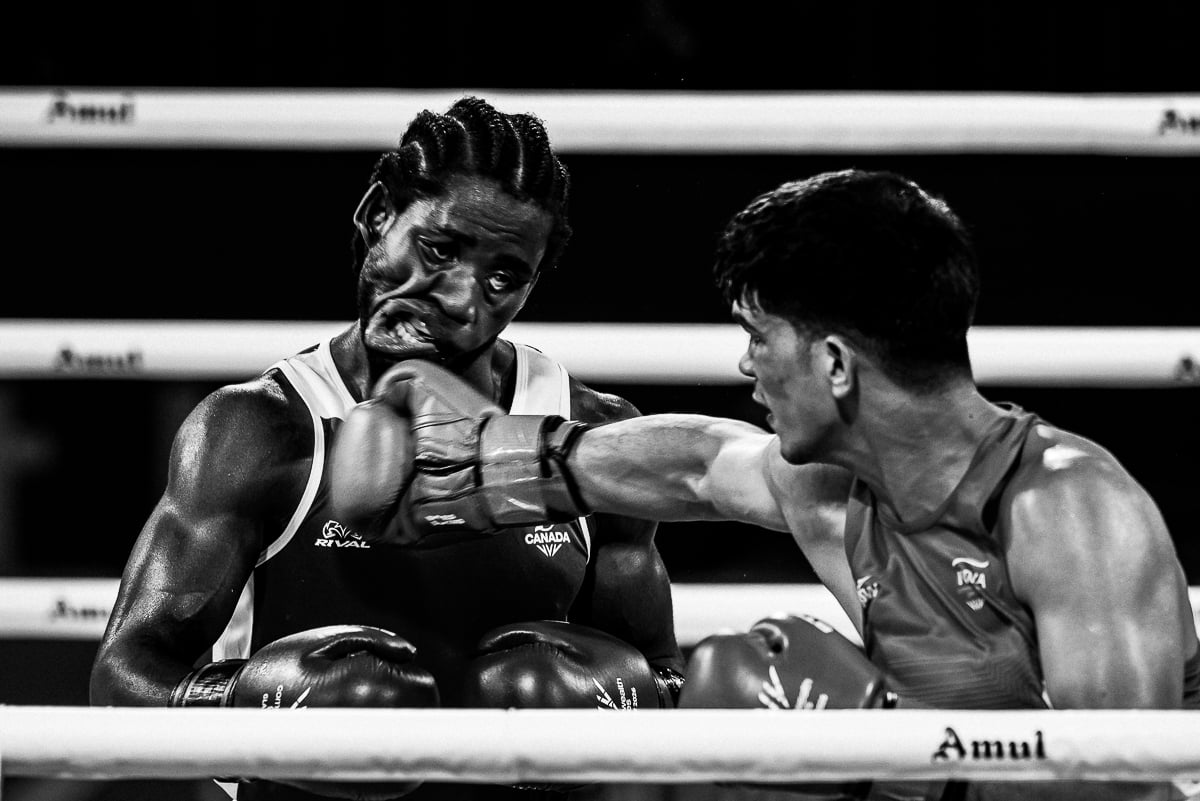
There is something quietly radical about a photographer who brings four cameras to the Commonwealth Games and leaves one in the hotel. That choice, deliberate, disciplined, deeply intentional, is what makes the toolkit behind Glasgow 2026 worth examining. It tells us that the best creative work is not about having everything; it is about knowing what to leave behind.
The equipment list reads like a love letter to preparedness: four bodies, seven lenses, one massive event. But the real story lives in the decision to carry only three cameras to the venues each day. That fourth body sat at the hotel, reserved for backup duty or for the specific moment when a remote setup called for a dedicated shooter. This is not the approach of someone chasing every possible angle; it is the approach of someone who understands that constraint breeds clarity. Compare this philosophy to the patient, analog discipline of Lara Porzak's Curated Artifacts: Three Decades of Analog Beauty in a New Book, where three decades of film work prove that limitations, fixed rolls, fixed focal lengths, can produce work that feels timeless rather than exhaustive. Or consider the deliberate stillness required by The Art of Stillness: Why the Nikon 14-30mm f4 S Endures for Creatives, a lens that asks a photographer to compose with patience rather than zoom. In each case, the creative edge comes from choosing what not to bring.
For our audience, creatives who value both form and function, athletes who respect preparation, and anyone who has ever overpacked for a project, this is a practical lesson in editing. The photographer did not arrive with less gear because they were unprepared. They arrived with a curated selection because they had already imagined the scenarios they would face. The fourth camera was not forgotten; it was positioned. That kind of foresight transforms a logistical decision into an artistic one. It asks us to consider: what are we carrying that we do not actually need? What backup is actually just clutter?
The specific consequence worth watching is how this approach shaped the images themselves. A photographer who limits their daily carry to three bodies must make real-time choices about which lens stays on which camera, which moment deserves a switch, and which scene simply does not get captured. That friction is where the good work lives. It forces a kind of presence that a full kit can dilute. The takeaway is clear: next time you prepare for a big shoot, or a big event, or even a morning workout, ask yourself what you are leaving behind. The answer might be the most important part of the plan.