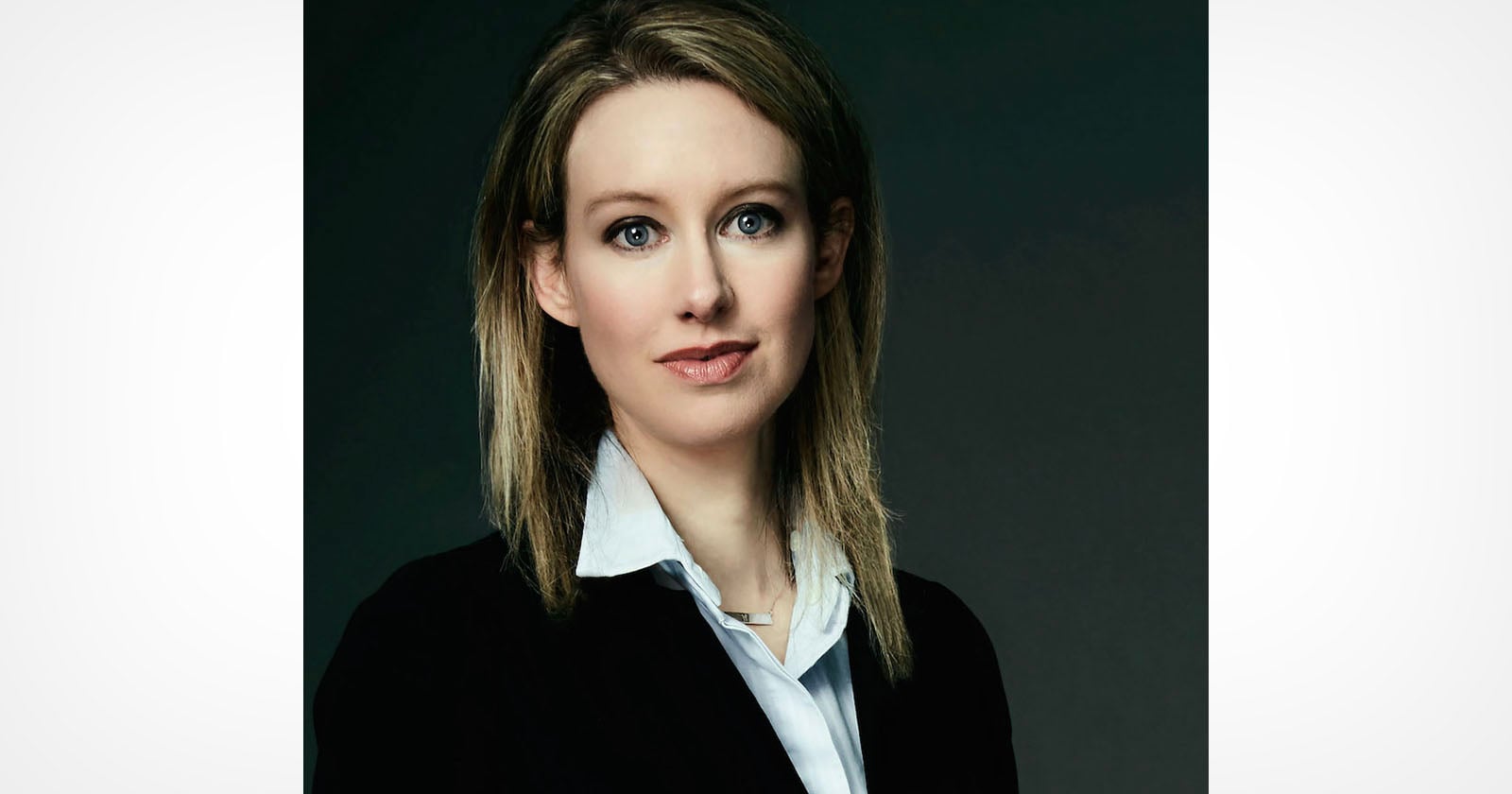
There is a particular kind of vertigo that comes from looking at a portrait and realizing the person in the frame was performing the entire time. The photographer's recollection of his session with Elizabeth Holmes carries that exact unease. He looked through his viewfinder in 2016 and saw a poised founder in a black blazer, a woman whose posture suggested quiet confidence. Now, with the benefit of hindsight, he suspects it was all a charade. We believe him, and that suspicion is worth sitting with. It is one thing to read about fraud in a courtroom summary. It is another to see a curated image and know you were complicit in its making.
This is where the story stops being about Holmes and starts being about us. The photographer did not capture a criminal that day. He captured a persona she had built with the same care an artist applies to a canvas. The dark background, the stark collar, the deliberate gaze: these were choices. And choices, when repeated, become a language. We talk about authenticity as if it is a fixed state, something we either have or lack. But Holmes understood something more uncomfortable. Authenticity is a performance too. The difference is that her performance was designed to obscure a lie, while the rest of us are just trying to get through a Tuesday. The practical takeaway here is not that every polished headshot hides a felony. It is that we should stop treating visual polish as evidence of moral character. A good portrait tells you how someone wants to be seen, not who they actually are.
For our readers, many of whom navigate worlds where image and lifestyle intertwine, this is a quiet warning. We curate our feeds, our wardrobes, our workspaces. We admire the aesthetic of a well-lit life. But when the lighting is the substance, we are left holding nothing. The photographer said he questioned everything after the shoot. That is the correct response, not because everyone is lying, but because the tools of persuasion are powerful enough to make us forget to ask. We would tell anyone who asks about this story the same thing: let it change how you look at the next profile piece you read, the next founder interview you watch, the next "behind the scenes" glimpse into someone's world. Ask yourself what is being performed and what is being revealed. The answer might be uncomfortable. It might also be the most honest thing you see all day.
The detail to watch now is not Holmes herself, but the ripple effect she has left on the people who once believed in the myth. The photographer's doubt is a small, human consequence of a very public collapse. It reminds us that every image we create is a small testimony to what we value. So the question we should carry forward is not whether Holmes was guilty. She was. The question is whether we can learn to look at a beautiful picture and still hold space for what is missing. That is the only way to keep the lens honest.