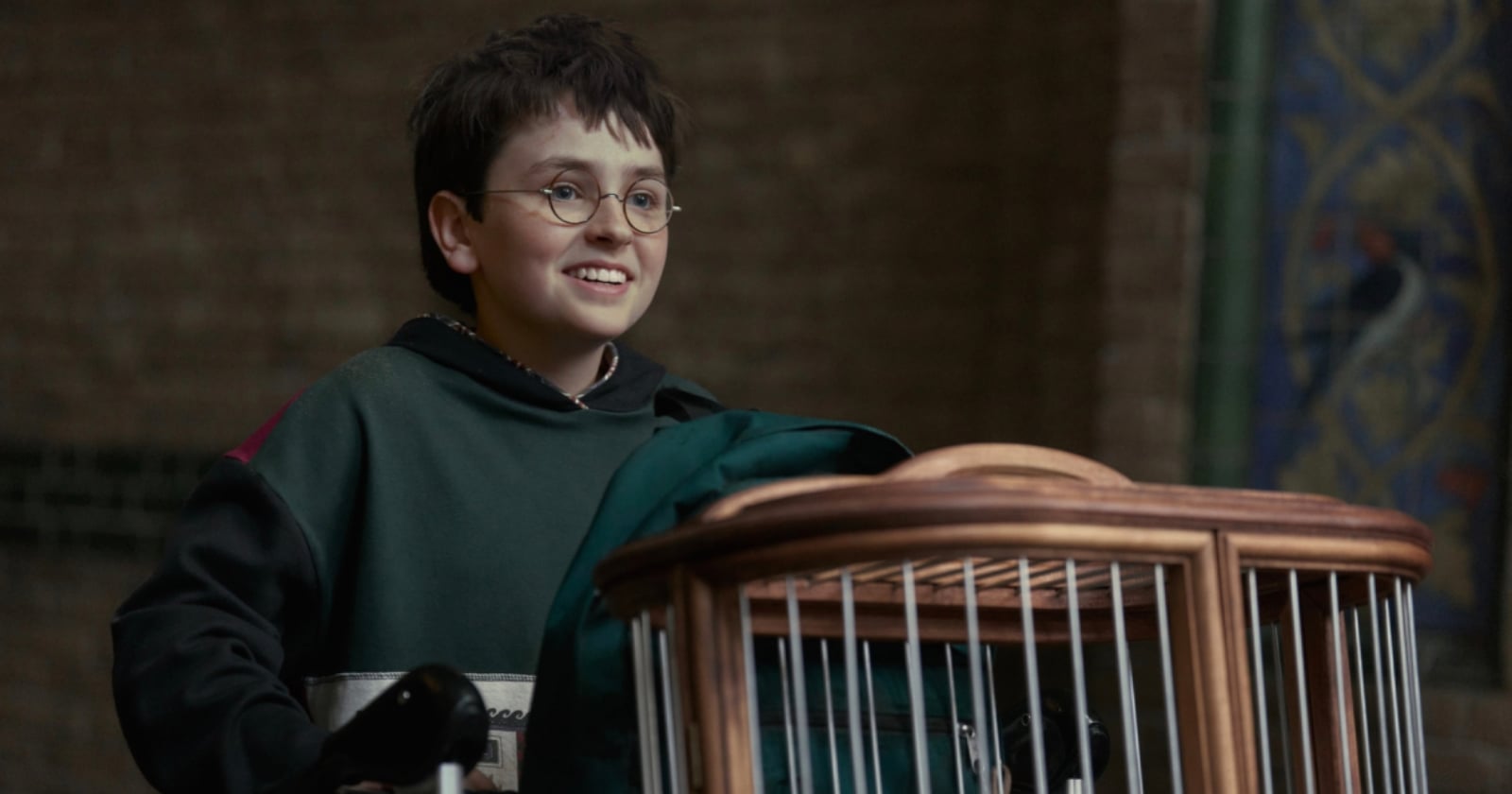
There is a particular kind of magic we chase as image-makers, the kind that happens when a frame feels alive, unforced, and utterly real. But the alchemy of cinema is rarely glamorous, and the revelation from the cinematographer behind HBO's upcoming *Harry Potter* series is a sobering reminder of that truth. Describing the conditions for the camera team as "brutal" while working with the young cast, the confession pulls back the curtain on a production where patience is not just a virtue but a technical necessity. It is a fascinating, human counterpoint to the polished final product, and it resonates deeply with anyone who has ever tried to capture a perfect moment that refuses to sit still.
For our readers, this is more than a headline about a high-profile set. It is a masterclass in the art of adaptation, a theme we have explored through the lens of gear that bends to the shooter's will. Consider the Refined and Accessible: The Nikon Z5 IIC—A Full-Frame Camera, Reimagined, a camera that thrives on making complex imagery feel effortless, or the Vivo X500: A Curated Lens for the Art of Life, which prioritizes the candid over the constructed. The connective tissue here is the willingness to meet the subject where they are, not where you wish them to be. A child actor's fleeting attention span is not a hurdle to overcome; it is a rhythm to learn. The cinematographer's job, then, is not to impose a rigid vision but to remain fluid, ready to pivot in a heartbeat when a genuine smile or a moment of wonder appears.
Our honest take is that this "brutal" reality is actually the price of authenticity. In an era where audiences are increasingly allergic to the sterile perfection of CGI-heavy blockbusters, the choice to build practical sets and work with real children in real spaces is a deliberate one. It is a choice that demands a crew who are not just technically proficient but emotionally intelligent, capable of coaxing a performance without breaking the spell of spontaneity. We would tell any reader who asks about this story that the best gear in the world is useless without the human patience to wait for the light, the laugh, or the quiet look of awe. The camera is just the vessel; the magic is in the waiting.
The specific consequence to watch is how this approach shapes the final series. Will the visible effort translate into a tangible warmth on screen, or will the constraints of working with minors lead to more static compositions? That is the question that lingers. As the production moves forward, we will be watching not just for the visual splendor but for the small, unguarded moments that only arise when a crew is willing to let the chaos of childhood lead the dance. That is the detail that will define this adaptation, and it is the detail that should inspire every photographer and filmmaker to embrace the beautiful, demanding mess of working with life itself.