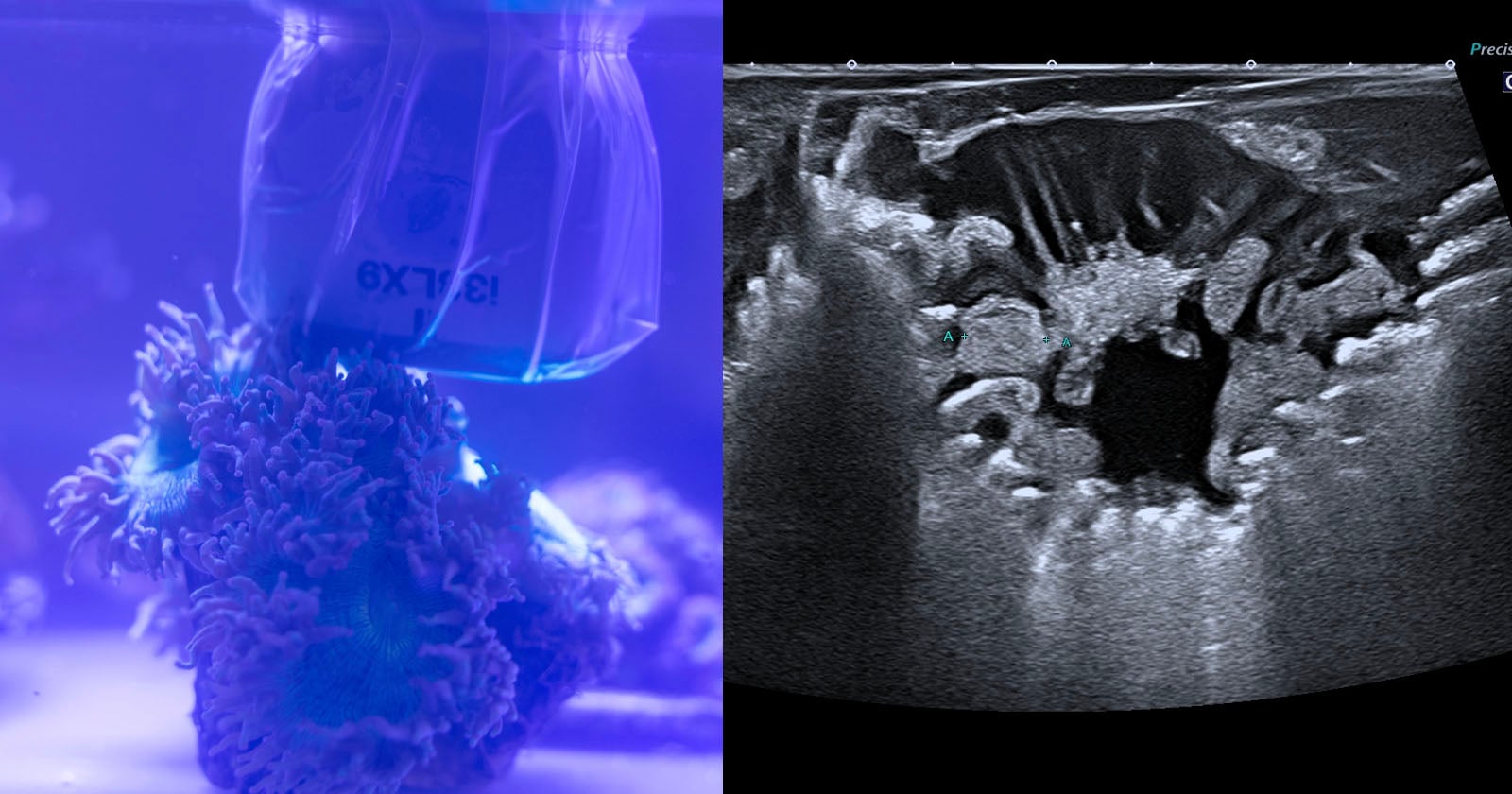
The world's first ultrasound scan of living coral is a quiet, profound act of creation, one that redefines how we see the ocean. We think this moment matters not because it is a scientific first, but because it transforms the invisible into something we can finally witness. Coral Spawning International, working with Canon Medical Systems UK and Canon EMEA, has used medical imaging technology to peer inside a coral and spot developing eggs. This is not a distant conservation story. It is a practical shift in how we understand the timing, health, and fragility of the reefs that sustain entire ecosystems.
For our readers, who move between the worlds of creative collaboration and conscious living, this news carries a specific resonance. It mirrors the way Adobe Premiere Mobile Adds Universal and Warner Music for Creators gives artists new tools to compose with precision, or how Ricoh Brings Its First GR Space to the States offers photographers a curated environment to refine their craft. Here, too, we see technology stepping out of its usual domain to serve something delicate and alive. Canon's ultrasound machine was designed for human bodies; now it reads the pulse of a coral. The connection is not metaphorical. It is a direct application of existing tools to a new, urgent context. If we can map the reproductive cycles of coral with the same clarity we map a heartbeat, we gain the ability to protect these moments of creation before they are lost.
This changes the conversation around conservation from reactive to anticipatory. Rather than counting losses after a bleaching event, scientists can now plan interventions around spawning windows. For anyone who has ever stood on a reef, mask pressed to the water, watching the slow dance of a living city, this feels like a form of listening. The ultrasound does not just reveal eggs. It reveals timing, location, and condition, three variables that determine whether a reef will regenerate or fade.
What we are watching is a convergence of disciplines that rarely meet. Medical imaging, oceanography, and climate science are pooling their vocabularies. The practical takeaway is clear: the next time you hear about a coral spawning event, know that it may have been scheduled by an ultrasound. The same technology that monitors a pregnancy now monitors the ocean's most vital nursery. That is not a poetic flourish. It is the new reality, and it asks us to pay attention to what we cannot yet see.