Best Concert Photography Lenses for Shooting in Low Light
Our take
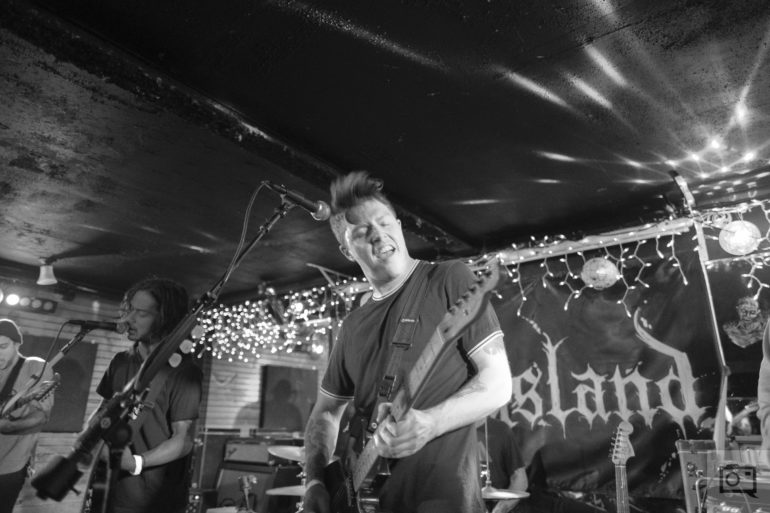
The allure of concert photography is undeniable. It’s a unique intersection of performance art, dynamic lighting, and fleeting human moments – a visual narrative unfolding in real-time. Capturing that energy requires more than just a keen eye; it demands specialized equipment, and as the original article rightly points out, that equipment hinges on a lens capable of thriving in challenging low-light conditions. The need for a bright aperture isn't merely a technicality; it’s the key to freezing action, rendering detail in shadowy environments, and achieving a shallow depth of field that isolates performers against the vibrant chaos of a live show. Thinking about lens choices often involves considering the entire system, and we recently explored how a compact prime like The Panasonic Lumix S 20mm f/2.5 Is a Petite Prime Made for the S9 can offer creative flexibility, even if it isn't specifically designed for concert work. Similarly, the demands of capturing fast-moving subjects echo the challenges faced by wildlife photographers, as highlighted in OM System Says You’ve Never Seen Birds Like This Before, where capturing fleeting moments in low light is paramount.
The emphasis on aperture is understandable, but the article’s focus on lenses alone risks overlooking the broader ecosystem that enables compelling concert photography. Sensor performance, image stabilization, and even the camera body’s autofocus capabilities all play crucial roles. Modern mirrorless cameras have dramatically improved low-light performance, allowing photographers to push ISO limits further and still retain usable image quality. Furthermore, the evolution of autofocus systems – particularly their ability to track moving subjects in challenging lighting – has been a game-changer. While a fast lens is the foundation, it's the synergy between the lens, the sensor, and the autofocus system that ultimately determines the success of a shot. The conversation also needs to acknowledge the increasing importance of post-processing. Concert lighting is notoriously difficult to work with, often involving a mix of saturated colors and stark contrasts. Skilled photographers leverage editing software to refine the dynamic range, balance colors, and enhance details, transforming raw captures into impactful images.
Beyond the technical considerations, concert photography represents a unique artistic challenge. It’s not simply about documenting a performance; it’s about conveying the emotion, the energy, and the atmosphere of the event. The best concert photographers are storytellers, able to anticipate key moments, compose compelling shots, and capture the essence of the music and the crowd. This requires a deep understanding of the artist’s work, an ability to read the audience, and a willingness to experiment with different perspectives and techniques. The recent discussion around the longevity of cameras like the Is the Canon R6 Still Worth Buying in 2026? also highlights the enduring value of solid camera systems that can adapt to evolving photographic needs, including the demands of concert photography. Investing in quality equipment is vital, but cultivating the artistic eye is arguably even more important.
Looking ahead, the convergence of AI and photography promises to further reshape the concert photography landscape. AI-powered autofocus systems are already improving tracking capabilities, and generative AI tools could potentially assist with post-processing tasks, such as noise reduction and color correction. However, the question remains: will these advancements enhance the artistic expression of concert photographers, or will they lead to a homogenization of style? As technology continues to evolve, it’s crucial for photographers to maintain their creative vision and leverage these tools to amplify, rather than replace, their unique artistic voice. Will we see a future where AI algorithms predict and capture the most emotionally resonant moments of a concert before a human photographer even has the chance?
Read on the original site
Open the publisher's page for the full experience