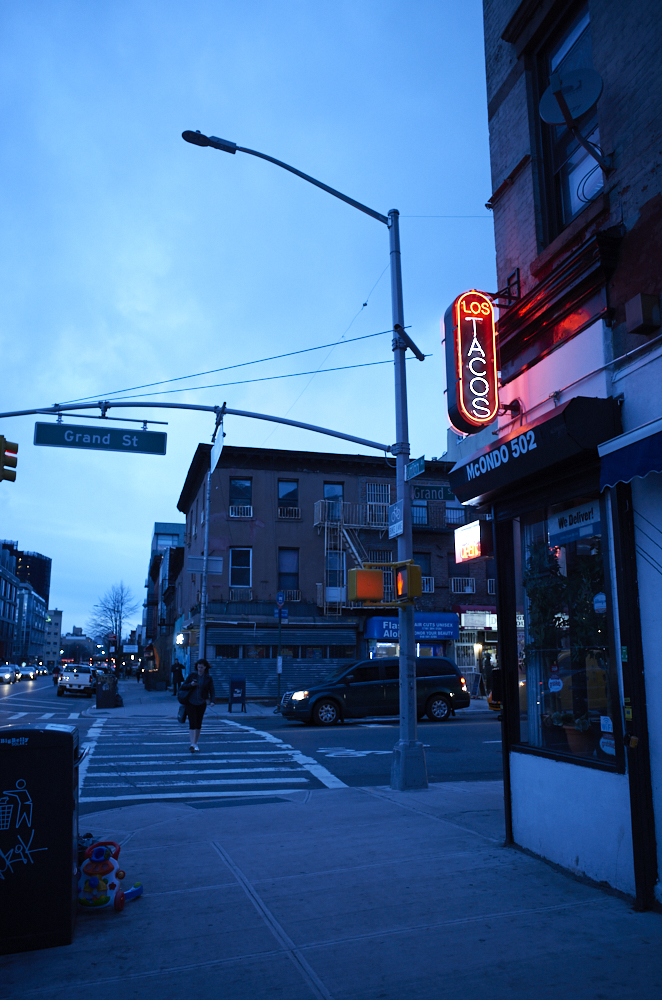
There is a quiet revolution happening in the space between what your camera sees and what your eye feels. The auto white balance setting, that silent workhorse of modern photography, is often sold as a liberation. It lets you move from golden hour to fluorescent office without a second thought, promising that technology will sort out the mess. But here is the honest take: auto white balance is a negotiator, not a poet. It neutralizes, it evens out, and in doing so, it can scrub away the very mood that made you lift the camera in the first place. For the creative eye, for the one who sees a scene as a curated moment rather than a technical problem, this is where the art gets lost. The camera's quest for a perfect gray is not your quest for a feeling.
When a reader asks us, "Why do my sunset photos look flat?" or "Why does my cozy café shot look sterile?", the answer is rarely about lens sharpness or sensor noise. It is about surrendering your artistic authority to a default. Auto white balance is remarkable for its consistency, but consistency is the enemy of atmosphere. Think of the warm, honeyed glow of a late afternoon in a vintage boutique, or the cool, crisp silence of a misty morning. Your camera wants to turn both into the same, safe, neutral rectangle. That is not a failure of the machine; it is a limitation of its one-size-fits-all logic. The fix is not necessarily technical mastery, but a shift in intention. It is about deciding, before you press the shutter, what story the color is telling.
The practical step here is not to abandon auto entirely, but to treat it as a starting point for conversation, not a final verdict. Start by nudging the setting toward the shade or the cloudy preset when you want warmth, or toward fluorescent when you want a cooler, more clinical edge. But the real move, the one that feels most aligned with a curated lifestyle, is to shoot in RAW if your camera allows it. That is not a tip for tech snobs; it is a safety net for your own taste. It gives you the freedom to let the camera guess wrong in the moment, knowing you have the full color spectrum to redraw the mood later. This is not about fixing a mistake; it is about giving yourself permission to have a preference. The most aspirational tool you own is not the camera, but your eye for what feels right, and that is something no algorithm can predict.
Our take is simple: stop letting the machine decide what beauty means. The next time you are composing a shot, ask yourself if you want the truth of the scene, or the truth of your memory of it. If you are shooting a vibrant street market, let the oranges burn a little hotter. If you are capturing a minimalist interior, let the whites stay pure and stark. The concrete point to watch for is the next time you import your images and see that neutral, polite version of a moment that felt anything but. That is your cue to go back, not to the drawing board, but to your own instincts. The camera gave you a correct image; you have the power to give the world an authentic one.