Our Take: Beyond Reality: The Anamorphic Lens Shaping Cinema's Visual Landscape
The allure of the anamorphic lens has transcended its technical origins to become a cultural touchstone in visual storytelling. It’s fascinating to observe how this distinctive cinematic language, once reserved for specific artistic choices, has permeated nearly every facet of screen production, from the grand scale of IMAX to the intimate glow of our home televisions. This pervasive presence speaks volumes about its power to evoke a specific mood and aesthetic, a testament to its ability to transform the ordinary into something far more immersive and captivating. The ultra-wide aspect ratio, the signature oval bokeh, and those characteristic horizontal flares – they all conspire to create a visual tapestry that feels both grand and intimately personal, drawing us deeper into the narrative world.
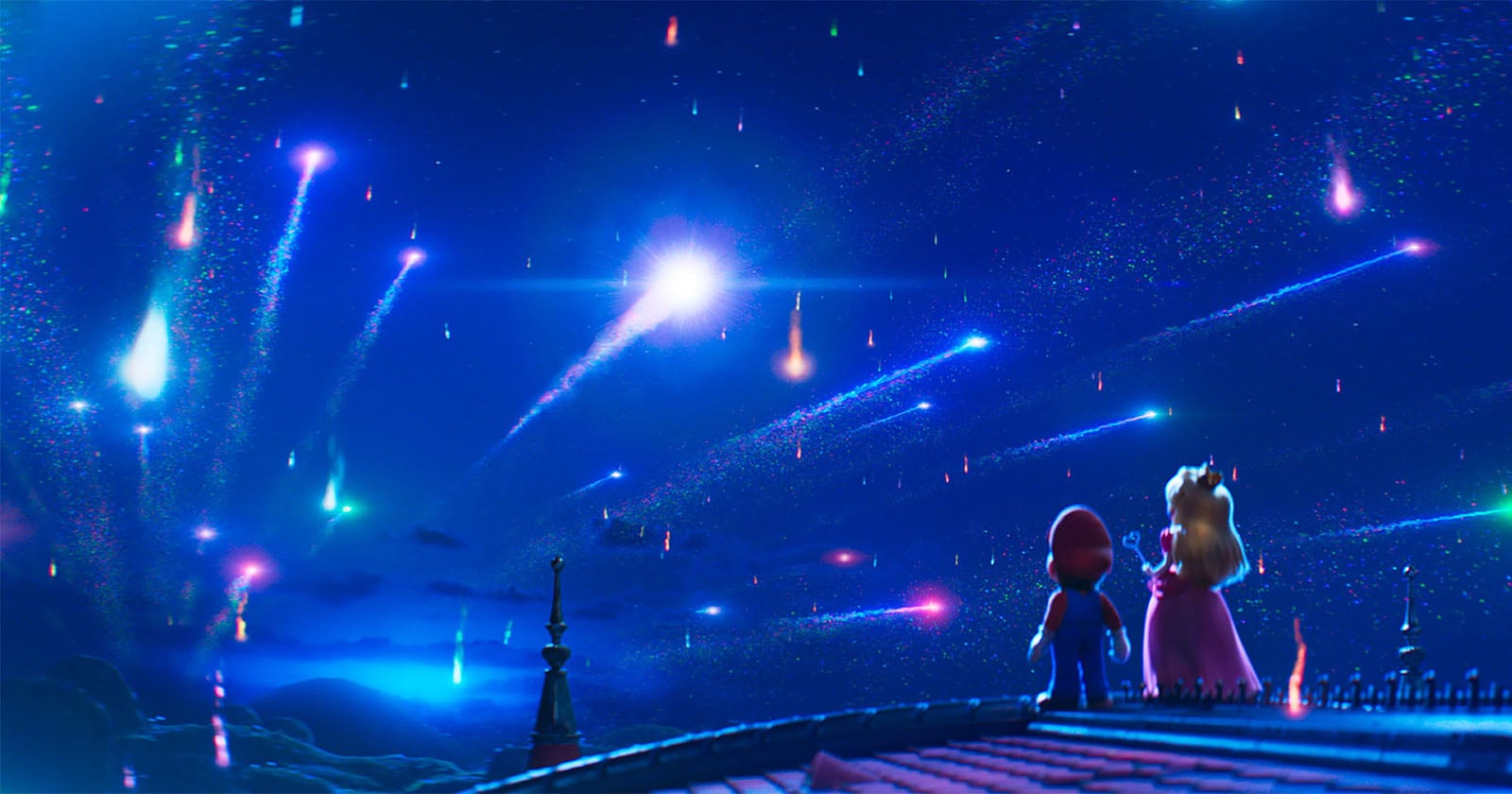
What's particularly compelling is the way this aesthetic is now informing even animated productions, a prime example being the visual simulation of anamorphic lenses in "The Super Mario Galaxy Movie." This adoption by animation signifies a profound understanding and appreciation for the emotional resonance that anamorphic imagery imparts. It's no longer merely about achieving a wider field of view; it's about harnessing a visual vocabulary that inherently carries a sense of drama, scope, and a unique, often nostalgic, cinematic quality. This convergence of live-action and animated styles suggests a universal desire for a more elevated and engaging visual experience, one that actively shapes our perception and emotional connection to the stories unfolding before us.
This widespread embrace of the anamorphic look reflects a broader cultural appreciation for curated visual experiences. It aligns with a desire for authenticity in storytelling, even when that authenticity is achieved through sophisticated simulation. The anamorphic lens, in its ability to compress and expand, to distort and refine, offers a powerful tool for artists to sculpt reality, to present worlds that feel both grounded and dreamlike. It’s a reminder that the tools of creation are as much about evoking feeling as they are about capturing image, and that in the hands of skilled cinematographers, even the most technical aspects of filmmaking can contribute to a vibrant, aspirational, and deeply immersive artistic vision.