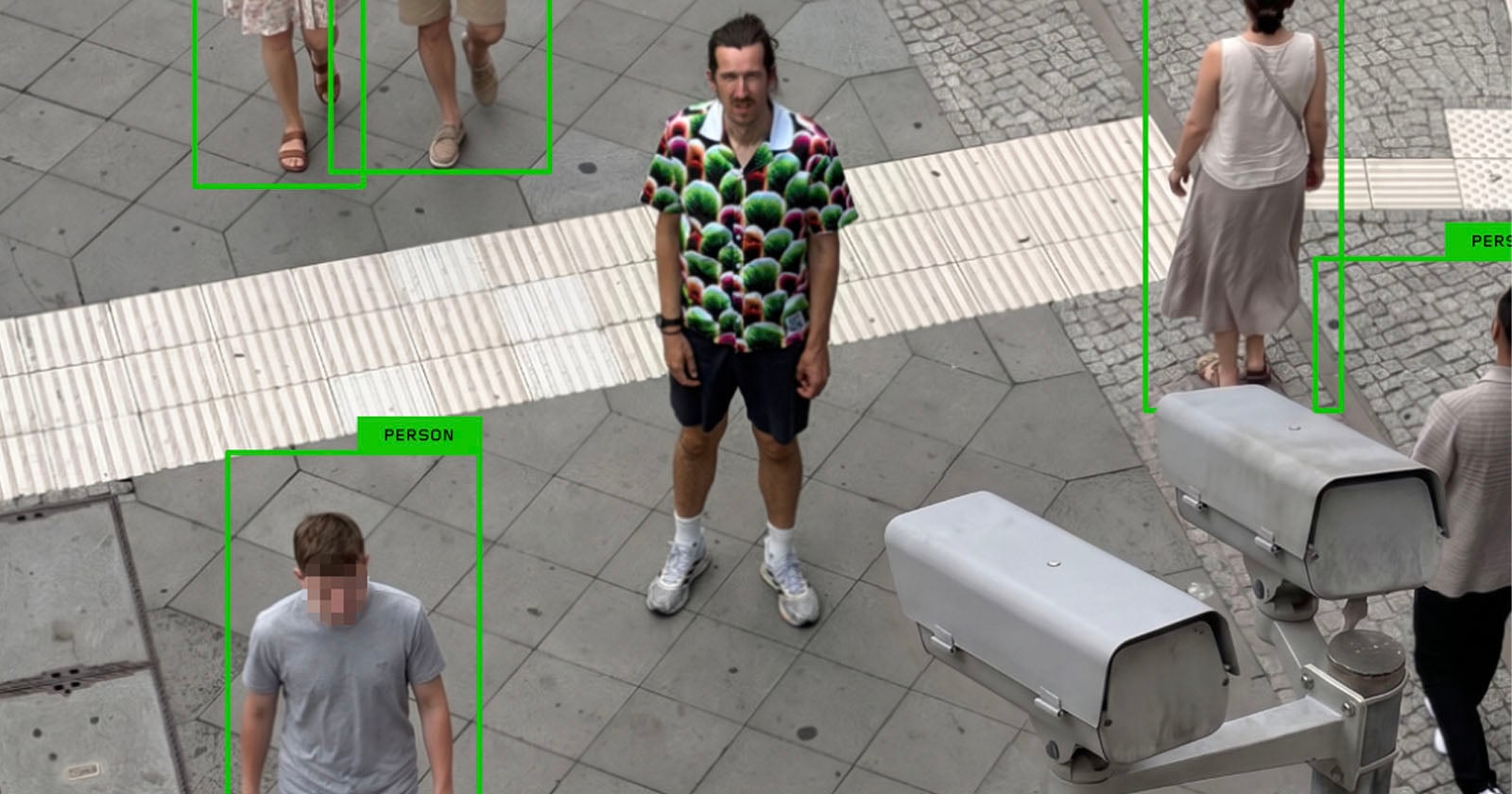
The quiet rebellion is already here, and it is sewn into a Hawaiian shirt. As AI-powered cameras shift from passive recorders to active interpreters of our world, labeling us, categorizing us, and deciding what we are in a split second, the countermove is not a protest march but a pattern. A garment is designed to trick these systems into seeing something other than a human. We find that both playful and profound. It is a reminder that the most sophisticated resistance is often an artistic one, turning the very tools of observation into a canvas for misdirection.
For our readers, this is not a futuristic curiosity; it is a practical shift in how you move through the world. The camera on the corner no longer just watches. It judges. It decides if you are a threat, a shopper, or just a shape in a crowd. Fashion, traditionally a statement of personal style, becomes a layer of privacy. This shirt is a deliberate choice, a wearable protest that says, "I know you are watching, but you do not get to define me." It is the same spirit that makes us curate our lives with intention, choosing what to reveal and what to hold back. If you are someone who values authenticity, this is the ultimate expression of it: controlling the narrative, even when the narrator is an algorithm.
Our honest take is that this is where luxury meets liberty. The idea of wearing something that actively resists a machine's gaze is the height of contemporary style, not despite its function, but because of it. It is not about paranoia; it is about agency. In a world where our data is the currency, a piece of clothing that opts out of the transaction is a statement of value. It is the difference between being a passive participant in a system and being a deliberate actor within it. The shirt does not hide you; it redefines what you are, offering a new form of visibility that the machine cannot process. That is not just clever; that is aspirational.
The question we are left with is not whether the technology will improve, but how we will choose to adapt. Will we accept the labels given to us by a lens we cannot see, or will we continue to find elegant, artful ways to say, "Not today"? The next time you choose your outfit, consider what it is saying to the camera as much as to the people around you. The takeaway here is simple: in the game of recognition, the most powerful move is to play by your own rules, even if that means wearing a shirt that makes a machine think you are a dog. Watch for the next wave of this sartorial resistance, because the most stylish thing you can wear is a refusal to be defined.