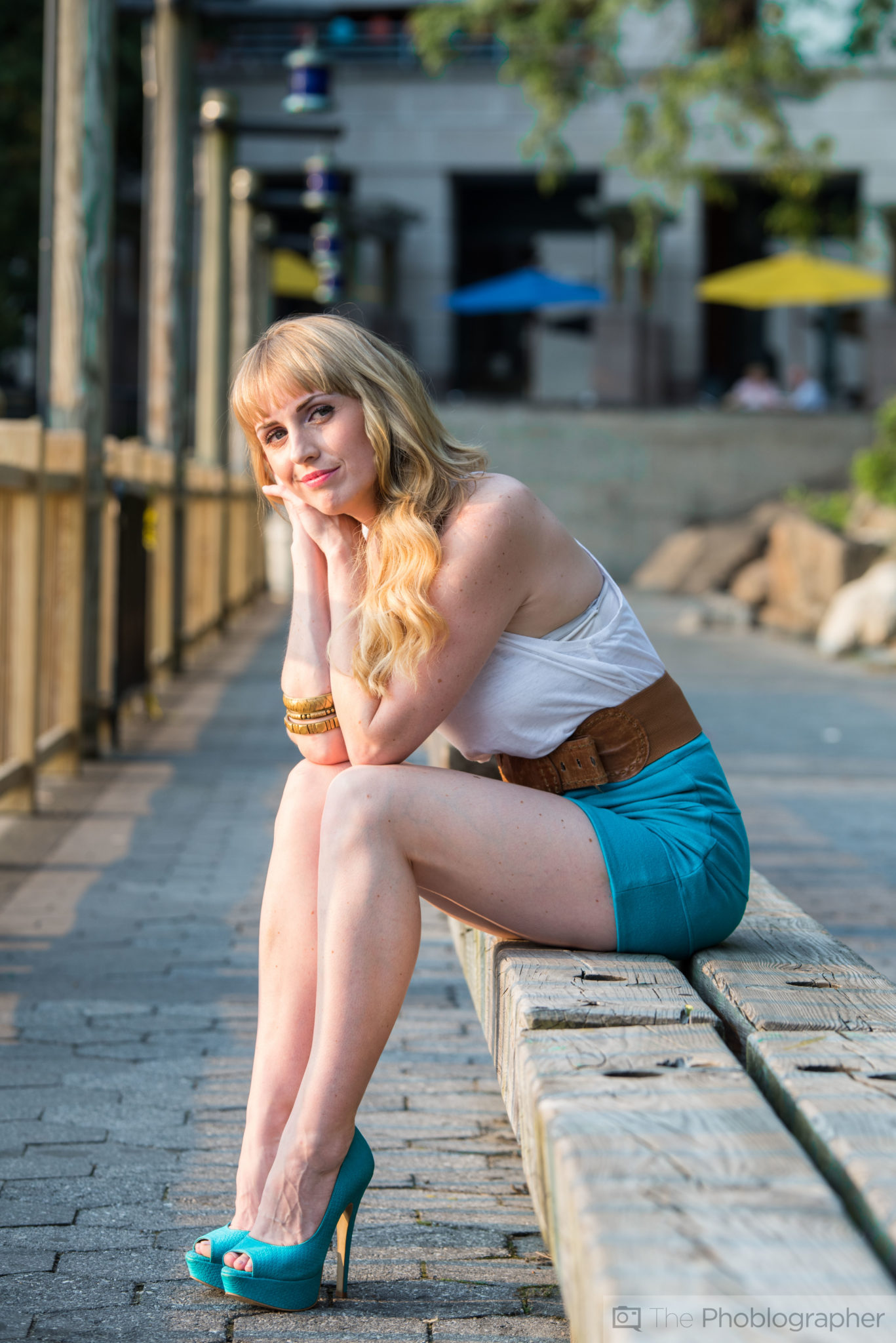
The allure of a perfectly edited portrait is undeniable, but somewhere between the raw file and the final, polished upload, the craft of photography can get lost. We scroll through feeds filled with impossibly smooth skin and glowing backdrops, and while these images are pretty, they often whisper a quiet secret: the magic wasn't in the taking, but in the altering. The conversation has shifted too far toward the post-production suite, and it has become refreshingly subversive to ask a simpler question. What if the real skill isn't in rescuing a flat image, but in capturing one that barely needs saving in the first place? It's a sentiment that echoes our own recent reflections on finding authenticity in the streets, whether finding joy in the unscripted moments of street photography or appreciating the purity of a camera that encourages a more deliberate workflow.
This is where the true conversation begins. The current trend of flaunting edits over the actual photograph feels a bit like praising the chef for the sauce that hides an overcooked piece of fish. It's a distraction from the fundamentals. When we prioritize the edit, we inadvertently devalue the split-second decisions that define a great photographer: reading the light, understanding the mood, and connecting with your subject. The article's premise is a call to arms for intentionality. It's not about being a purist who refuses to touch a slider; it's about building a foundation solid enough that the edit becomes a subtle enhancement rather than a necessary crutch. For our audience of creatives who appreciate both form and function, this is about reclaiming the craft. It's the difference between being a director of a scene and a plastic surgeon of pixels.
Practically, this means slowing down. It means studying the quality of golden hour light until it becomes intuitive, and understanding how it wraps around a face to create its own narrative. It means mastering your camera's metering and white balance until they are extensions of your own vision. We'd tell a reader asking for advice on this approach to start by challenging themselves: shoot a portrait session with the intent to deliver images straight from the camera, or with only the most minimal global adjustments. You'll be forced to move your feet, adjust your composition, and communicate more clearly with your subject. It's a discipline that will not only sharpen your technical skills but will also reveal your authentic style, much like the way revisiting older gear can rekindle a passion for the simple act of shooting, as we explored in our look back at a classic camera.
The most compelling consequence of this philosophy is a shift in your portfolio from a collection of editing tricks to a gallery of genuine moments. The question we're left with isn't about which preset is best, but rather, what story do you want your images to tell before the software is ever opened? The answer to that question will define your work more than any filter ever could.