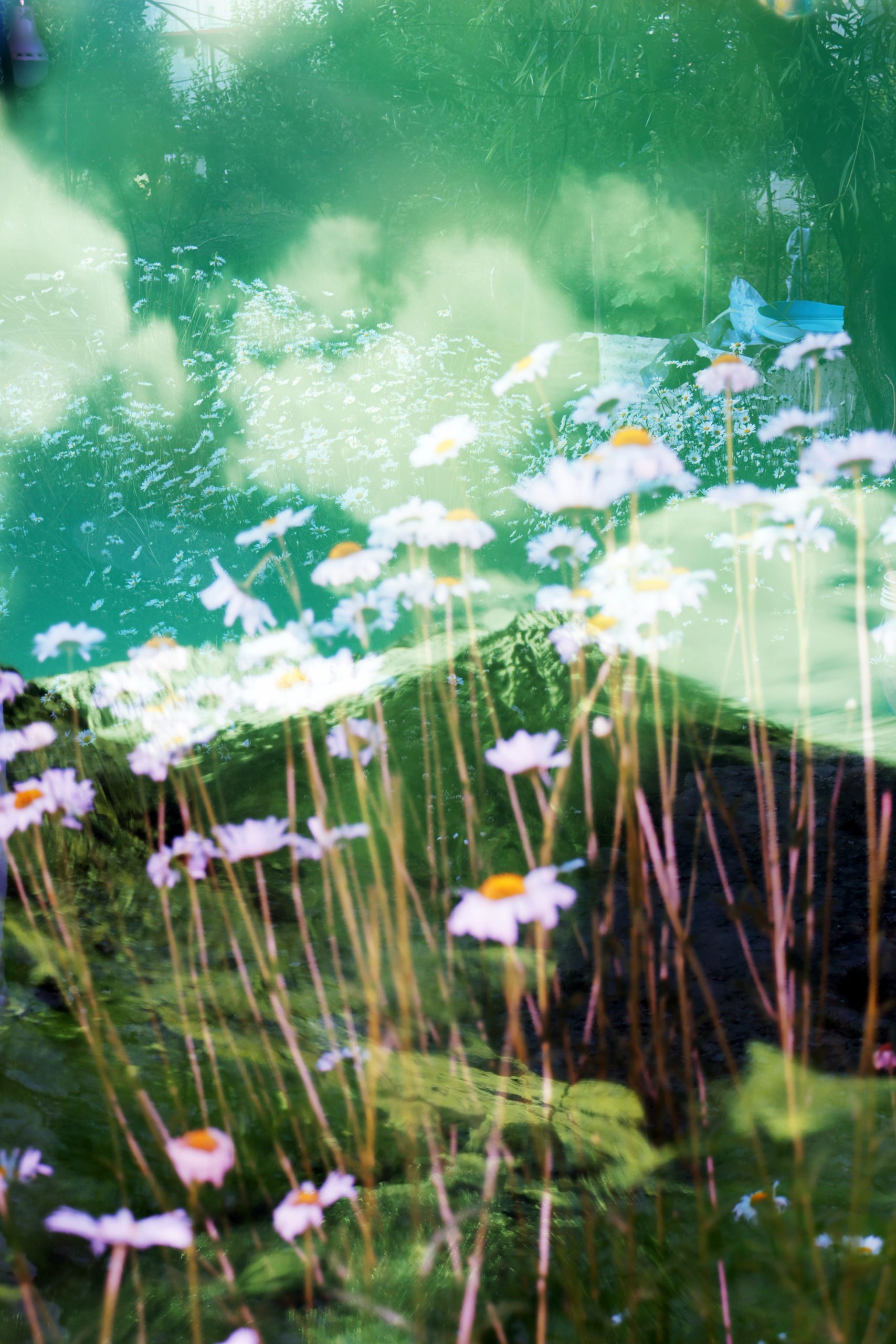
There is a quiet irony in the way photographers often search for a fresh perspective by scrolling past a thousand others' takes on the same subject. The article's premise, that finding references for commercial, fashion, or portrait work can feel like a loop of the same visual cues, is one we recognize deeply. It is not a lack of imagery that stalls us, it is the sheer volume of sameness. We have all been there, staring at a mood board that feels less like inspiration and more like a mirror reflecting everyone else's choices. This is why we appreciate the push to look elsewhere, to move beyond the algorithmic echo. It aligns with the ethos we explore in Finding Joy on the Streets, One Frame After Fashion, where the spontaneity of the street offers a reprieve from the calculated perfection of a studio. The challenge is not to find more references, but to find ones that actually challenge us.
Our honest take is that the problem is rarely a lack of access to inspiration, but a lack of permission to be subjective. When you are shooting for a client, the pressure to deliver a specific feeling can be immense, and it is tempting to fall back on what is safe or trending. But the most striking work we see, the kind that feels alive and authentic, almost always comes from a place of personal curiosity. It is the same impulse that drives The Curated Archive: Revisiting the Olympus E-M5, the Original Icon, where revisiting old work is not about nostalgia, but about rediscovering the instincts that made you pick up a camera in the first place. For us, the practical takeaway is this: instead of searching for what to shoot, search for what you are drawn to when no one is watching. Look at paintings, not just photos. Read poetry. Notice the way light falls on a stranger's face during your commute. That is the raw material that will make your commercial work feel less like a transaction and more like a conversation.
We would tell a reader who asks us for advice on this to treat their reference hunt like a personal study, not a scavenger hunt for a perfect image. It is about building a visual vocabulary that is yours, not just a collection of popular aesthetics. The Capturing Cosmic Beauty: An Astrophotography Journey with Nikon article reminds us that even the vast, untouchable sky becomes a subject of intimacy and wonder when approached with fresh eyes. The same applies to a product shot or a portrait. Ask yourself what you are trying to say, not just what you are trying to show. That shifts the focus from the reference to the intent, which is where the art actually lives. The goal is not to avoid references altogether, but to use them as a springboard, not a safety net.
The real question is whether you are willing to be the one who offers a new reference for someone else, rather than just consuming the same ones. That is the concrete challenge we see here. The next time you sit down to plan a shoot, consider what you would create if you had no access to the internet, no feed to scroll, only your memory and your imagination. That constraint might feel uncomfortable, but it is often the pressure that yields the most original work. We are not suggesting you abandon your research, but rather that you let it inform you without dictating the outcome. The most compelling photographs we remember are not the ones that perfectly match a trend, but the ones that feel like a genuine point of view. The question is not whether you can find inspiration, but whether you can trust what you find within yourself.