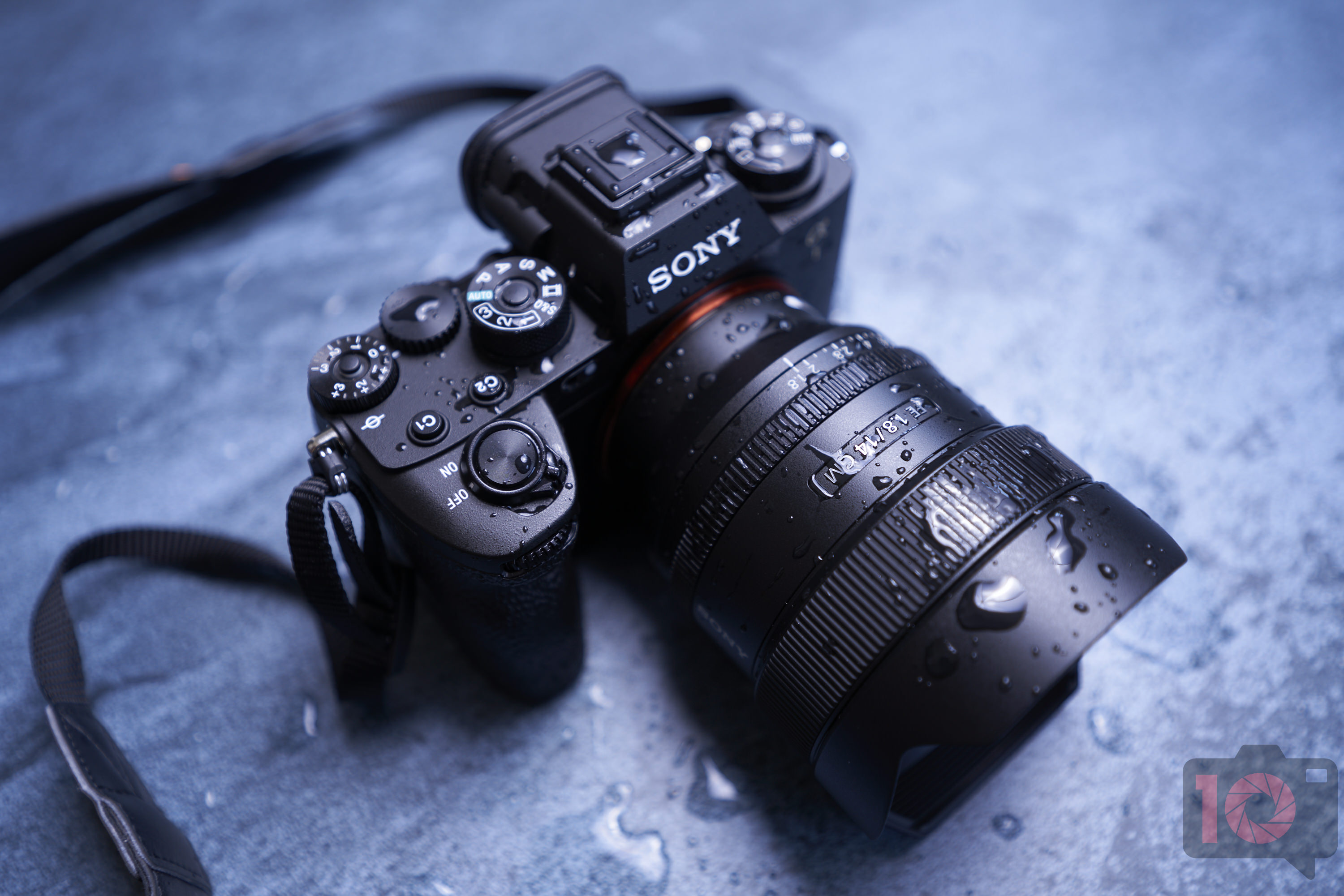
There is a quiet thrill in watching a brand decide that the rules of optics are merely suggestions. Sony's rumored fisheye zoom feels less like a product leak and more like an invitation to see the world with a wider, more curious gaze. We already know the brand can craft sharp, creamy G Master primes and zooms; the 24-70mm f2.8 GM and the 85mm f1.4 GM are the kind of glass that makes you want to find excuses to shoot. But a fisheye zoom? That is not a workhorse lens. That is a permission slip for play, a tool that asks you to abandon the straight lines of architectural photography and lean into the wonderful distortion of reality.
This is where our own community's work starts to echo the sentiment. We spend so much time chasing comfort and connection in portraiture, as seen in Cultivating Connection: Creating Comfortable Portrait Experiences, or collaborating on ambitious shoots like the sessions in Collaborate & Create: Boudoir Sessions Offered Across Florida's Coast. These projects thrive on a willingness to experiment with perspective, to find the unusual angle that turns a familiar face into a story. A fisheye zoom is the ultimate collaborator in that sense. It does not just capture a scene; it interprets it, bending the edges of a room to pull the viewer into the center of the emotion. For the photographer who is tired of the standard 50mm look, this lens could be the difference between documenting a moment and truly warping it into something memorable.
Of course, the practical side of us has to ask the question: is this a gimmick or a genuine tool? We would argue it is both, and that is exactly why it is exciting. The technical challenge of a fisheye zoom is immense, which is why we have only ever seen primes in this focal range. If Sony pulls it off, they are not just adding a SKU to the lineup; they are giving us a new way to think about space. We would tell a reader who is on the fence to stop thinking about this as a lens for traditional landscapes and start thinking about it as a tool for environmental portraits or editorial fashion. The distortion that scares some can be the very thing that adds energy to a frame, especially when you are working with a model who is willing to play with the negative space, much like the diverse casting calls seen in North Shore Fine Art Photography Seeks Diverse Models for New Series.
The real takeaway here is that Sony understands the difference between a tool and a toy, and they are betting that the modern creator wants both. We are not saying you should sell your 85mm for this, but we are saying that the next time you feel your work has become too safe, too rigid, this is the kind of lens that will force you to get closer, to move differently, and to see the horizon not as a line to be kept straight, but as a curve to be bent. The question we are left with is not whether this lens will be sharp wide open, but whether you are brave enough to let the edges fall where they may.