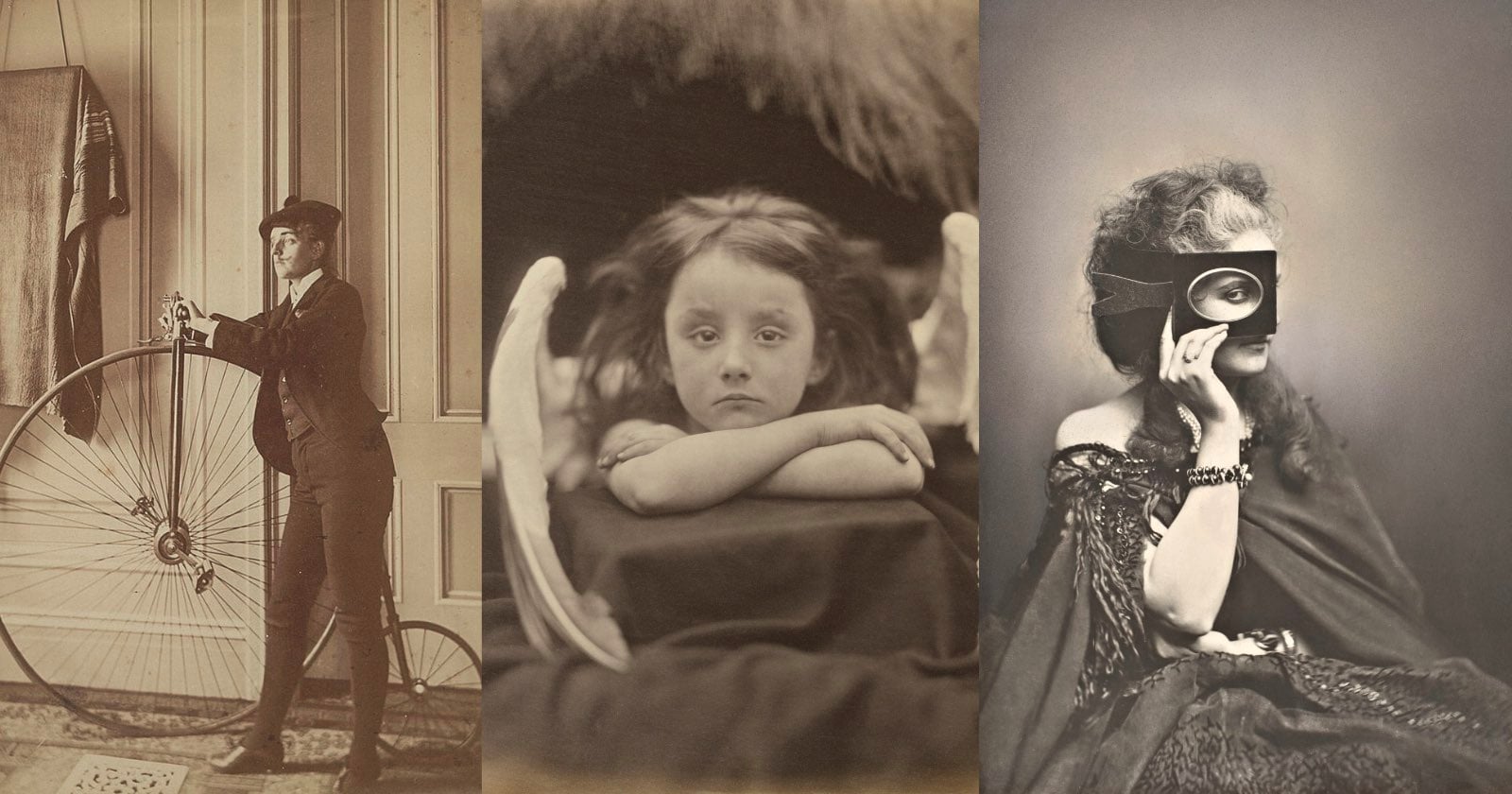
There is something quietly subversive about a woman behind a camera. For nearly two centuries, the act of framing a subject, of deciding what deserves to be seen and remembered, has been a radical gesture when performed by someone society expected to simply look away. A new book, celebrating the extraordinary work of over 60 women photographers from the 19th century to the present day, does more than compile striking images. It assembles a lineage of vision that has often been cropped out of the historical frame. This is not a niche tribute; it is a corrective to the lazy assumption that the male gaze built the entire canon of the medium. The book's framing of these women as "dangerous" feels less like hyperbole and more like an honest description of what it has always meant to claim creative authority.
The timing feels deliberate, and we mean that as a compliment. We are living through a moment when visual culture is both more democratic and more chaotic than ever, where everyone is a photographer and, too often, no one is looking closely. In this environment, a curated collection that demands you pause and consider the singular eye of a woman who shot on glass plates, or who pushed the boundaries of documentary intimacy, is a grounding experience. It reminds us that the tools change but the instinct to translate the world through a personal lens is timeless. We would tell any reader who asks, "Why this book?" that it is not about counting representation for its own sake. It is about expanding your own visual vocabulary. If you have ever been moved by the quiet power of a portrait or the electric tension of a street scene, you already know that the best work makes you feel the photographer's presence. This collection is a masterclass in that presence, offering a sweeping yet intimate survey that feels less like a history lesson and more like a conversation across centuries.
What strikes us most is how this book connects to the broader craft of seeing. It is a different kind of pursuit than, say, the technical patience required for Capturing Cosmic Beauty: An Astrophotography Journey with Nikon, where the subject is the infinite and the photographer's challenge is to render the distant and untouchable. Nor is it the community-driven, print-focused energy of Experience Photography's Artistry: The 5 Boro Foto Fest Returns, which celebrates the tangible and the local. Yet those pursuits share a common thread: the deliberate choice of what to point the lens at, and why. This book is a powerful argument that the "why" is often personal, political, and deeply tied to the photographer's own place in the world. For our readers, the practical takeaway is simple: study these women not as relics, but as working examples of how to see with intention. The danger the title references is not in the images themselves, but in the permission they grant us to look at our own lives with more honesty and less fear.
The conversation does not end with the final page. We would suggest that the real power of this book lies in its challenge to the reader: after you close the cover, who are you not seeing? Whose work have you assumed was less important, less technical, or less relevant because it did not come with a familiar name attached? The answer to that question is where the next great discovery lives. We are watching for the moment this book sparks a new generation of curators, editors, and collectors who understand that the future of photography is not about the latest gear, but about who is finally allowed to hold the camera.