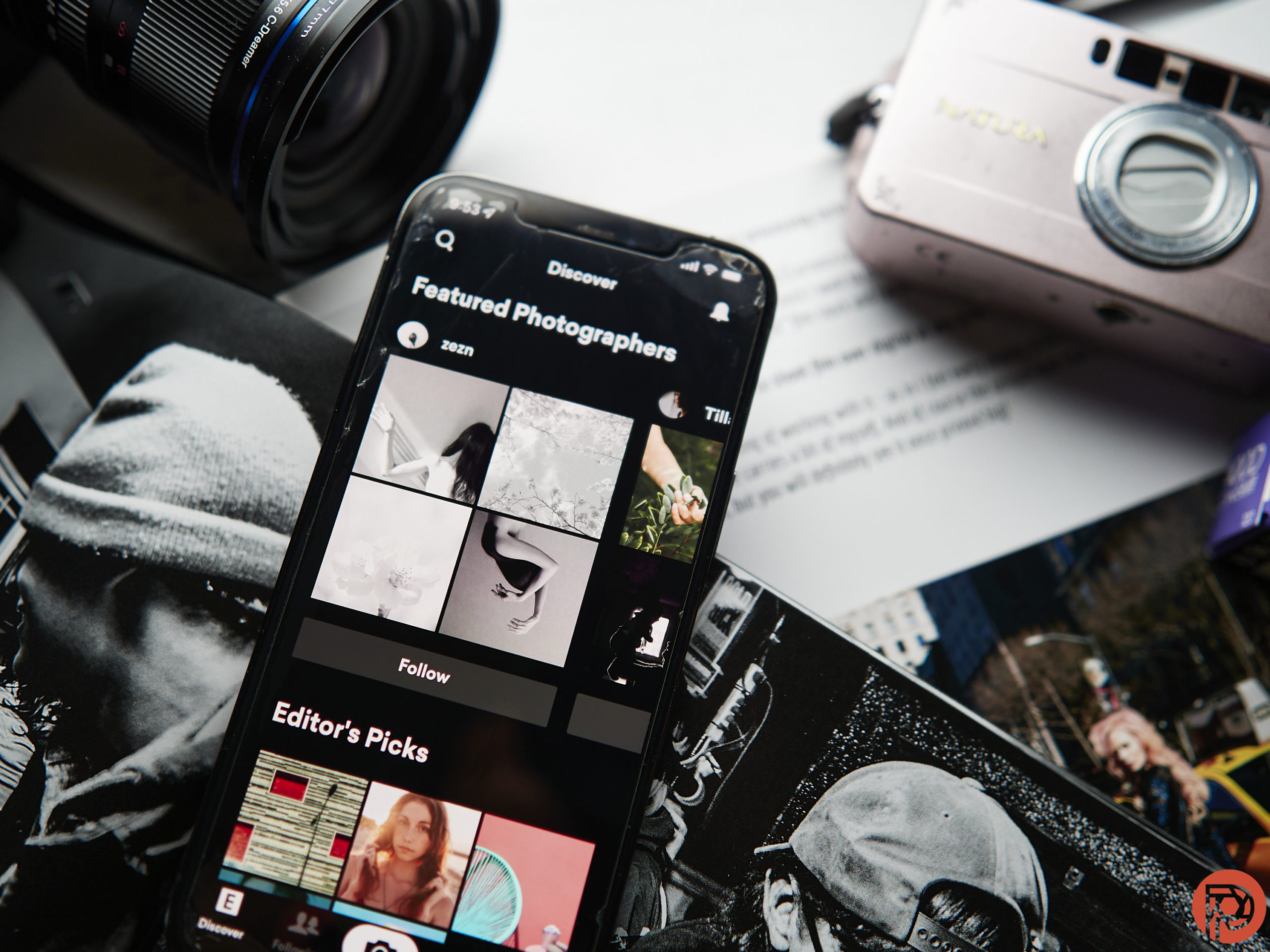
We keep scrolling through feeds, double-tapping images that vanish into the ether, and telling ourselves we're part of something. But the truth is that we're not part of a community at all; we're tenants on someone else's land. Instagram and Flickr aren't villages; they're fiefdoms, ruled by algorithms that decide who sees our work and who doesn't. The big online photo communities we once romanticized have quietly dissolved, leaving us with a fragmented collection of followers rather than genuine peers. It's a lonely realization, especially when we're producing more images than ever before.
This isn't just a technical complaint about server speeds or engagement metrics. It's a cultural shift that affects how we create and why we share. When we post to a platform, we're not curating a conversation; we're submitting to a broadcast model. The intimacy of a shared darkroom or a local camera club has been replaced by the hollow ping of a like. That's why we're drawn to stories that feel handcrafted, like the Capturing Cosmic Beauty: An Astrophotography Journey with Nikon, where the process matters more than the algorithm. And it's why events like the Experience Photography's Artistry: The 5 Boro Foto Fest Returns feel so vital, they force us off our couches and into physical spaces where we actually have to talk to one another.
We've been looking for connection in the wrong places. The real community isn't on a platform; it's in the shared act of seeing. We agree, but we'd push it further. The problem isn't that platforms exist, it's that we've outsourced our sense of belonging to them. We've let a curated feed replace a genuine conversation. So what do we do about it? We start small. We comment with intention, not emojis. We join a local photo walk or a niche forum that isn't trying to sell us a subscription. We remember that a community is built on reciprocity, not reach. And we pay attention to moments like A Curated Moment: Trump Shares Altered Image on Truth Social, which reminds us that even the most public images can be manipulated, so trust is earned, not given.
The takeaway here isn't that we should abandon social media. That ship has sailed. Instead, we should treat these platforms as what they are: tools for discovery, not spaces for belonging. The next time you feel that itch to post, ask yourself who you're really talking to. If the answer is "everyone and no one," you're not in a community, you're in a crowd. And crowds are easy to lose yourself in. The real work is finding the handful of people who see the world the way you do, and then holding onto them with a grip that doesn't require a double-tap. That's the shot worth taking.