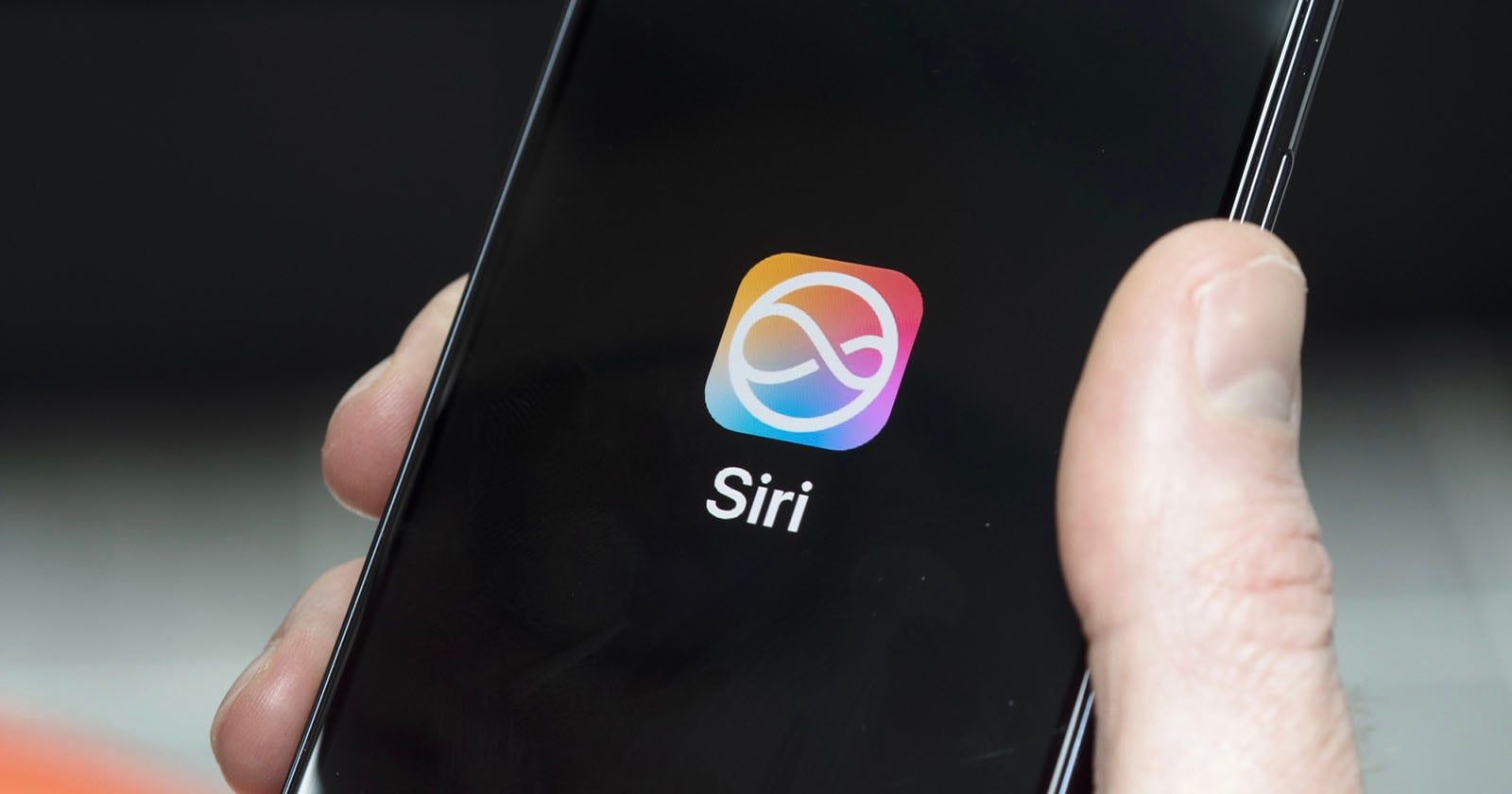
The news that the Apple Watch Series 12 will introduce "Siri Recap" feels less like a feature drop and more like a quiet philosophical shift. The watch, already our most intimate screen, is now being positioned as a silent archivist, capturing the ambient audio of our days so we can later review a distilled summary of our own lives. On paper, it sounds like a productivity miracle: never forget a passing thought, a half-whispered reminder, or a brilliant idea that arrives during a morning run. But as we marvel at the convenience, we have to ask ourselves a far more uncomfortable question: what do we lose when we outsource memory to a device that is always listening, and who are we when we know our every offhand remark might be read back to us later?
This isn't just about privacy in the abstract sense of data breaches or corporate overreach. It's about the texture of authenticity. We already curate our lives for social feeds, but at least there, we choose the mask. With ambient listening, the curation happens after the fact, and the raw material is our unfiltered, unguarded self. Compare this to the other recent innovations we've covered, like Unlock Your Wellness Potential: A Look at Apple’s Readiness Score or even the Signature 27: Where Mobile Photography Meets Elevated Design. Those tools ask us to engage with our bodies and our art, to push ourselves or capture beauty. They are active. Siri Recap, however, is passive aggression disguised as convenience. It threatens to turn every conversation into a potential performance, because if you know the watch is listening, the spontaneous joke, the vulnerable confession, the sharp retort, they all get filtered through the awareness that a transcript might exist.
Our honest take is that this feature demands a new kind of discipline, and not the kind we usually talk about in the wellness space. We're not just managing our steps or our heart rate variability anymore; we're managing our own spontaneity. For our audience, who values authenticity as a core tenet, this is the real tension. The practical advice we would give a reader who asks, "Should I be worried?" is this: worry less about the government reading your notes and more about the person you become when you know you are being noted. The magic of a great conversation, the kind that builds trust and connection, often lives in the unpolished aside, the half-finished thought. If we start correcting ourselves mid-sentence because we know the Recap will judge us later, we lose the very vibrancy that makes us interesting.
The question we are left with, then, is not whether Apple will protect the data, but whether we can protect the moment. As this feature rolls out, watch how it changes your own behavior. Will you still tell that friend the messy, unfiltered version of your story, or will you wait to see how Siri summarizes it first? That gap, between what you say and what you wish you had said, is the space where our humanity either thrives or quietly fades. The feature is here; the real test is whether we can still speak without looking over our digital shoulder.