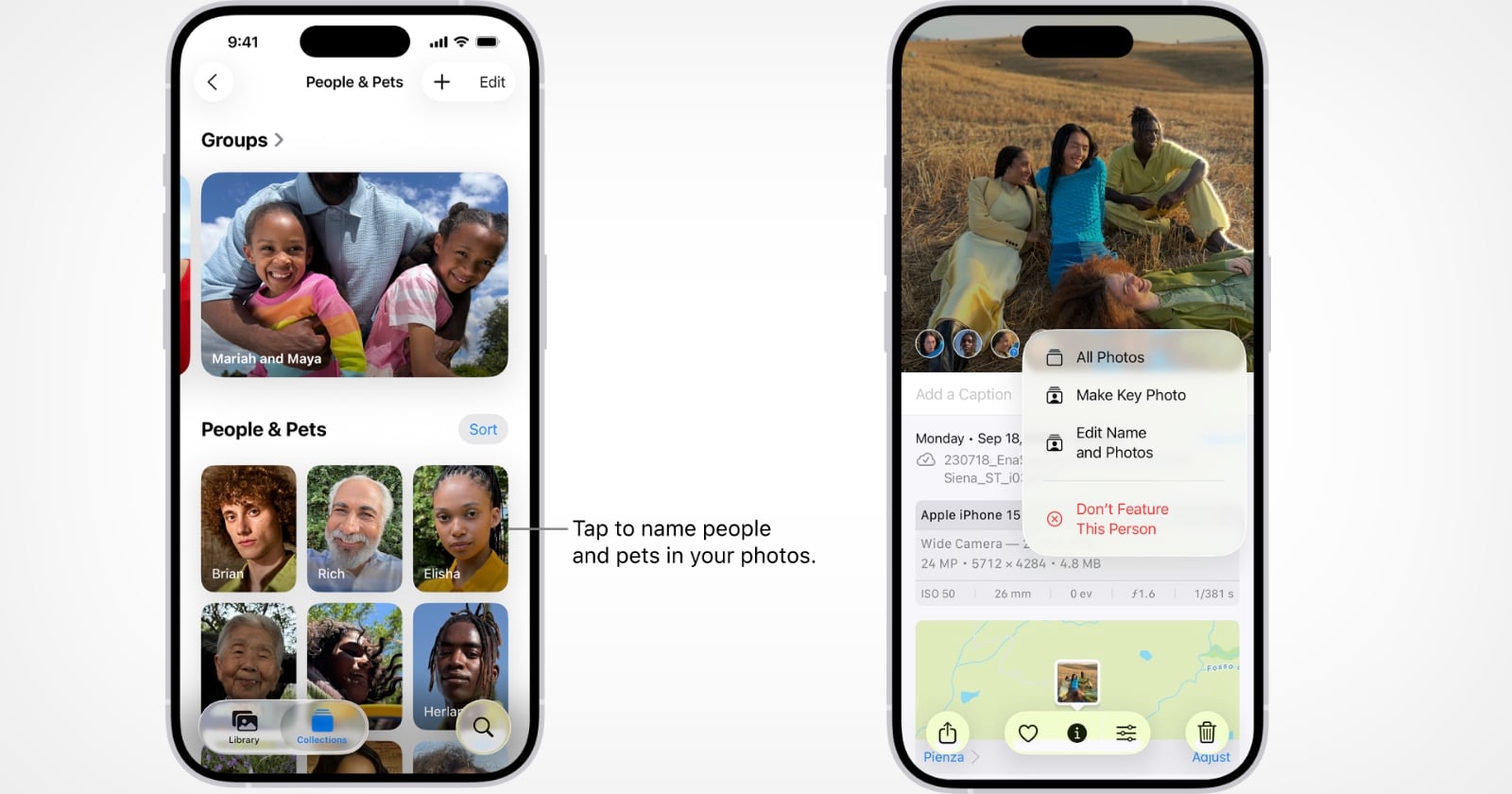
There is something almost poetic about the way a tool designed to celebrate memory has become the center of a legal storm. Apple is facing a lawsuit seeking up to $32.5 billion over claims that its iPhone Photos app secretly collected users' biometric information. The accusation is simple: facial recognition, the very feature that helps you find that one photo of your dog mid-sneeze, may have crossed a line into unauthorized data collection. For a company that has long marketed privacy as a core value, this is not just a legal problem. It is a philosophical one.
We have been here before, in spirit. The creative world has its own history of companies guarding their technological gates with fierce determination, as seen in the ongoing tensions between lens manufacturers and third-party innovators. A Creative Court Win Cracks the Door to Canon's Closed Lens Mount reminds us that when a giant controls the access point, the rest of us are left negotiating for scraps. Apple's Photos app is not so different from a proprietary lens mount. It is a closed ecosystem, beautifully designed, but the user is often the product in ways we do not fully see until the fine print becomes a headline.
For our readers, the practical takeaway is not to toss your iPhone into the sea. It is to understand the trade-off you are making when you rely on curated convenience. The same way Embrace the Drama: Exploring the Allure of Ultra-Low ISO Film asks you to slow down and appreciate the grain, this moment asks you to slow down and notice the metadata. The Photos app is not evil. But it is a tool that operates on a level of intimacy that we have normalized without full consent. The lawsuit claims that biometric data was collected without proper authorization, and if true, that is not a bug. It is a feature we never asked for.
What would we tell a reader who asks, "Should I be worried?" Yes, but not in the way the headlines suggest. The real concern is not that Apple will lose the money. It is that the outcome of this case will define how every tech company handles your face as a piece of data. We are watching the boundaries of personal identity being redrawn in real time. The question is not whether Apple crossed a line, but whether we, as consumers, are willing to demand that the line be drawn clearly. The next time you open the Photos app and see that "People" album, remember that the algorithm saw you before you saw it. That is the cost of living in a beautifully curated world. And it is a price worth questioning, one photo at a time.