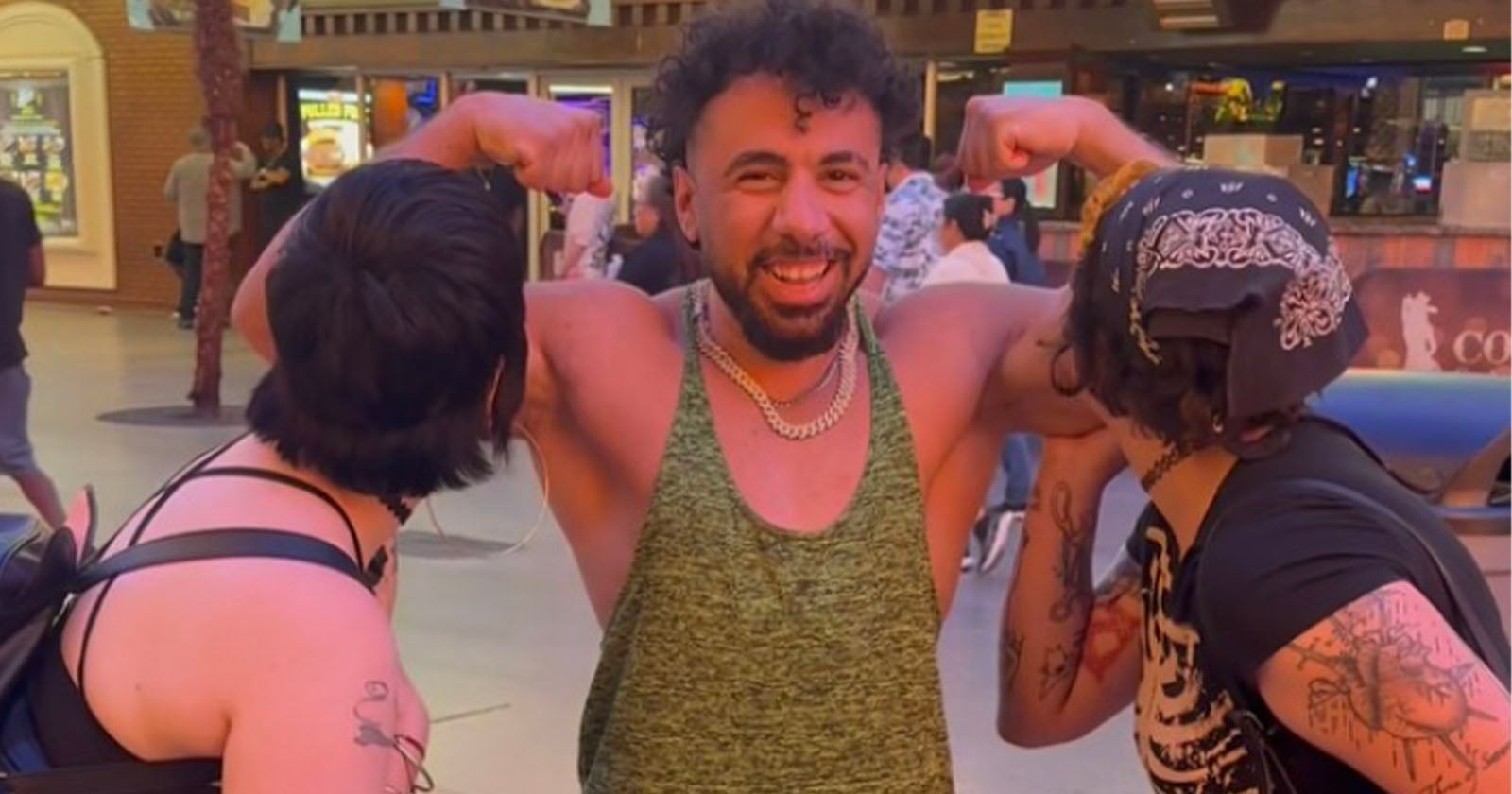
An influencer has been ordered to pay 20,000 Canadian dollars ($14,200) after repeatedly posting intimate images of a woman he barely knew. The ruling, delivered by a Canadian court, marks a rare moment of accountability in a digital space where consent is often treated as optional. This case is not just about one man's poor judgment; it is a warning for anyone who mistakes access for permission. In a world where we curate our lives for public consumption, the line between sharing and exploitation has grown dangerously thin. For our readers, creatives, health-conscious enthusiasts, and those who value authenticity, this story raises a practical question: how do we protect the people behind the images we post?
We have seen similar tensions play out in our own coverage. Consider the case of A Photographer's Fall: Luxury, Swiftie Dreams, and a $4.6M Loss, where a photographer leveraged trust to scam a family out of millions. Both stories involve individuals who weaponized their access to private moments, one through financial deception, the other through digital humiliation. Meanwhile, A Curated Moment: Trump Shares Altered Image on Truth Social reminds us that even public figures manipulate images to control narratives. The common thread is clear: the act of sharing is never neutral. Whether you are a photographer, an influencer, or a casual poster, every image carries the weight of consent.
Our take is straightforward: this fine is a step forward, but it is not enough. The influencer's behavior, persistently posting images after being asked to stop, reflects a culture that rewards visibility over respect. The 20,000-dollar penalty feels more like a symbolic gesture than a deterrent. For someone whose livelihood depends on engagement metrics, the cost of ignoring consent may still seem worth the risk. What would we tell a reader who asked for advice? Start with a simple rule: before you post, ask. Not just once, but every time the context changes. Authenticity, after all, is built on trust, not on the number of likes a stolen moment can generate.
This case also underscores a specific consequence that deserves attention: the court's willingness to assign monetary value to digital dignity. It opens the door for future rulings where influencers and platforms face real financial repercussions for violating privacy. The question now is whether this decision will inspire similar actions in other jurisdictions, or remain a rare exception. For our community, the takeaway is clear: treat every image as a collaboration, not a commodity. The moment you blur the boundary between someone else's story and your own content, you risk more than a fine, you risk losing the very authenticity that makes your work resonate.