Bruce Gilden Describes the People He Photographs as His ‘Family’
Our take
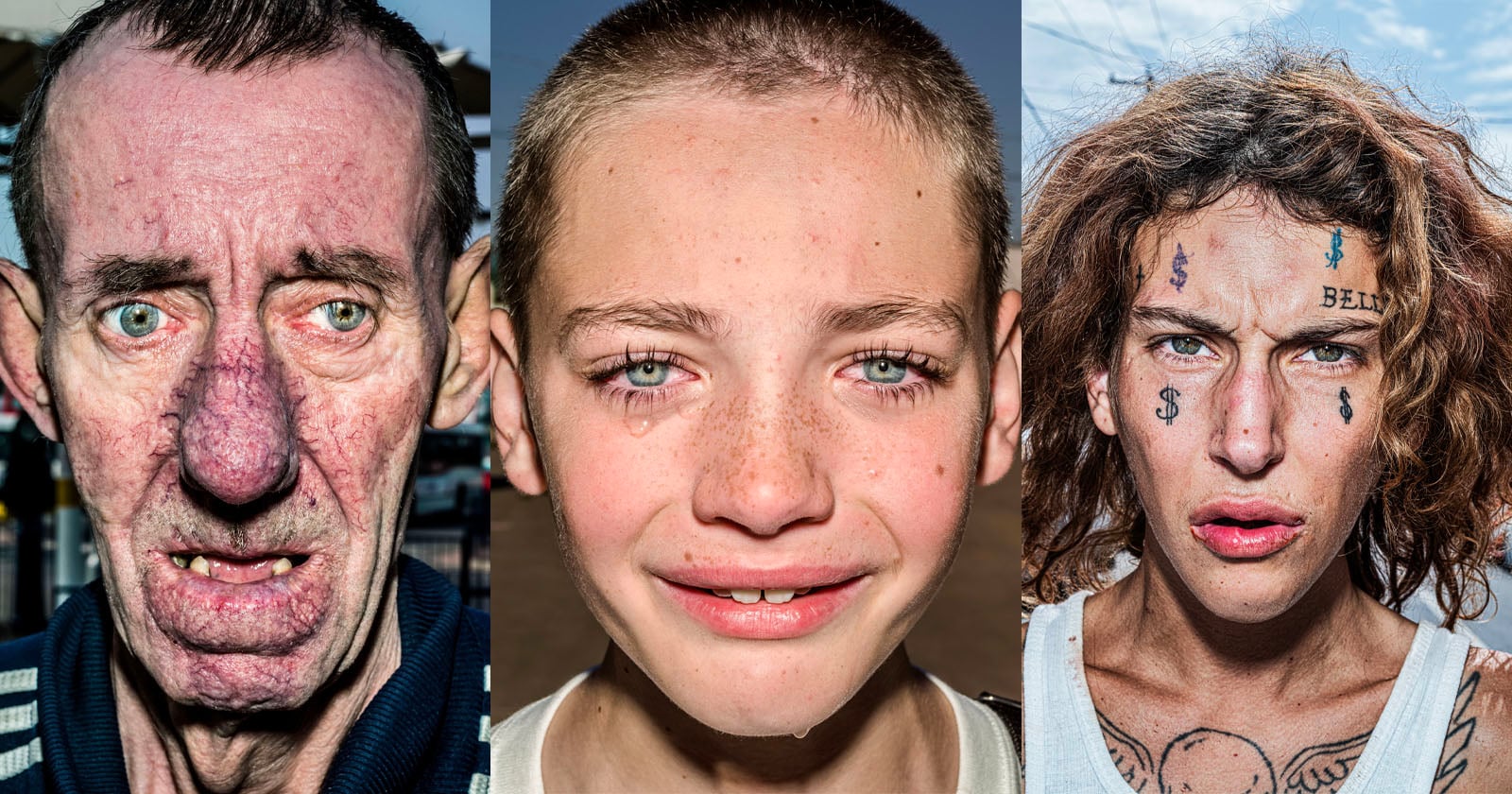
Bruce Gilden’s assertion that the people he photographs constitute his "family" is a provocative and, perhaps surprisingly, deeply humanizing statement coming from a photographer so often associated with aggressive and intrusive techniques. His signature flash photography, bringing subjects inches from the lens, has consistently sparked debate about the ethics of street photography and the power dynamics inherent in capturing individuals without their explicit consent. While critics often point to the potential for exploitation and discomfort, Gilden's claim suggests a profound level of connection and empathy, a sense of belonging forged through the act of observation and documentation. This perspective reframes the controversy, prompting us to consider the motivations behind his work beyond mere shock value. It echoes conversations happening within the broader artistic community about the responsibility of the artist and the impact of their work on the subject. We've explored similar ethical considerations in a previous piece on the evolving landscape of documentary photography The Ethics of Observation, and Gilden’s statements add another layer to that ongoing dialogue.
The impact of Gilden’s work extends beyond the immediate discomfort some subjects may experience. He's undeniably elevated the visibility of individuals often marginalized or overlooked – people from diverse socioeconomic backgrounds, those living on the fringes of society, and those whose faces rarely grace the pages of mainstream media. His portraits, though raw and unflinching, possess a visceral honesty that challenges conventional beauty standards and invites viewers to confront their own biases. The close-up flash, while initially jarring, ultimately serves to strip away artifice, revealing the unfiltered humanity beneath. This is a departure from the often-staged and curated imagery that dominates contemporary visual culture. Consider the contrasting approach seen in the work of Martin Parr, whose photographic style, while also observational, tends to be more distanced and ironic Martin Parr's Observational Style. Gilden’s approach, in contrast, is intensely personal, even if that personal connection is formed through a fleeting interaction captured in a single frame.
The “family” analogy, while potentially unsettling to some, underscores a crucial aspect of Gilden’s artistic philosophy: the recognition of shared humanity. It suggests that these aren't simply subjects to be exploited for artistic gain, but rather individuals whose stories, experiences, and vulnerabilities deserve to be acknowledged and documented. This isn’t to excuse any potential harm caused by his methods, but to offer a more nuanced understanding of his intentions. The power of street photography, at its best, lies in its ability to capture the ephemeral, the unguarded moments that reveal the essence of human existence. Gilden's work, despite its controversies, has undoubtedly contributed to this tradition, pushing boundaries and challenging viewers to reconsider their perceptions of the world around them. It reminds us that even in the most fleeting of encounters, a profound connection can be forged, and a story can be told. The conversation around consent in photography is further amplified by advancements in technology; we previously discussed how AI image generation impacts artistic ownership AI and Artistic Ownership.
Looking ahead, it will be fascinating to see how Gilden’s legacy is evaluated by future generations of photographers and art historians. Will his confrontational style be viewed as a courageous exploration of human connection or as an ethically questionable intrusion? Will the "family" analogy resonate as a genuine expression of empathy or as a self-serving justification for his methods? The ongoing debate surrounding his work serves as a crucial reminder of the complexities inherent in documentary photography and the enduring responsibility of artists to engage with their subjects with respect and sensitivity, even when pushing the boundaries of artistic expression. The question remains: how can photographers balance the pursuit of authentic representation with the ethical imperative to protect the dignity and autonomy of those they photograph?
Bruce Gilden is known for his confrontational street photography, using a close-up flash technique to capture striking portraits of people many would simply walk past. He's proven to be controversial, but Gilden says he had a deep empathy for his subjects.
Read on the original site
Open the publisher's page for the full experience