Camera Traps Reveal Secret Life of World’s Oldest Sunda Clouded Leopard
Our take
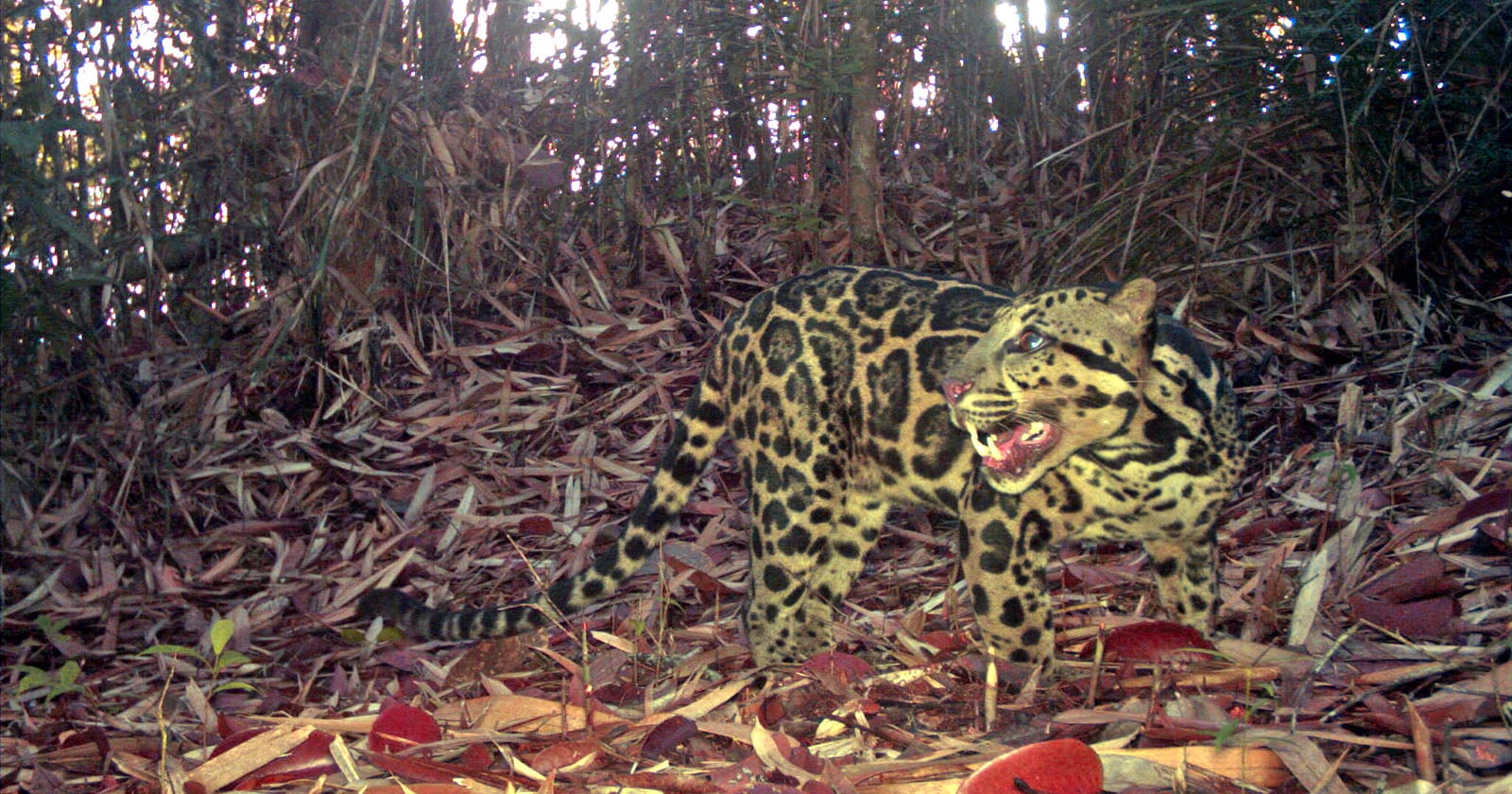
The unveiling of camera trap footage documenting the oldest wild Sunda clouded leopard ever recorded—an eight-and-a-half-year-old female navigating Borneo's rainforests—is a quietly significant moment for wildlife conservation and the burgeoning field of remote sensing ecology. While the sheer visual beauty of this elusive cat, captured in its natural habitat, is undeniably captivating, the deeper implications extend far beyond a single striking image. This discovery underscores the power of long-term monitoring programs and highlights the vital role camera traps play in understanding the lives of creatures who otherwise remain largely hidden from view. It’s a testament to the dedication of researchers who patiently piece together narratives of wildlife existence, often over years, revealing patterns and behaviors previously unknown. This dedication echoes the work celebrated in [Award-Winning Photos Celebrate Vultures, Nature’s Unsung Heroes], which similarly champions the often-overlooked contributions of wildlife and the need for dedicated conservation efforts. The ability to observe these animals without direct human interference allows for a more accurate assessment of their populations, behaviors, and the challenges they face.
The rarity of Sunda clouded leopards—classified as Vulnerable by the IUCN—makes this finding all the more remarkable. Their secretive nature and fragmented habitats make direct observation exceptionally difficult, further complicating conservation strategies. Camera traps offer a non-invasive window into their world, allowing researchers to estimate population densities, track movement patterns, and identify critical habitat areas. This technology is increasingly crucial in a world grappling with habitat loss and climate change, offering insights that inform targeted conservation interventions. The insight into the life of this individual leopard, specifically her age, provides valuable data points for understanding lifespan and reproductive patterns, both crucial for assessing the long-term viability of the species. Consider, too, the groundbreaking work of documenting animal behavior using innovative technology, as exemplified by [First-of-its-Kind Footage Shows the Ocean From a Whale Shark’s Perspective]; both examples demonstrate the potential of technological advancements to reveal previously unseen aspects of the natural world.
The implications of this research extend beyond the Sunda clouded leopard itself. It serves as a powerful reminder of the biodiversity hotspots that remain largely unexplored and the urgent need to protect them. Borneo’s rainforests, in particular, are facing unprecedented threats from deforestation and habitat degradation, making the preservation of these ecosystems paramount. This discovery reinforces the value of continued investment in ecological research and the development of innovative monitoring tools. The ability to gather data on species like the clouded leopard, even through indirect means, is increasingly vital for informing policy decisions and prioritizing conservation efforts. Furthermore, the advancements in technology used to capture these images, like the optics themselves, are continually improving; the collaboration between Nocs Provisions and the National Audubon Society, highlighted in [These New Binoculars Have Woven Straps Perfect for Bird Photographers], demonstrates a growing synergy between conservation and technological innovation.
Looking ahead, the continued deployment of camera trap networks across Southeast Asia and beyond promises to yield even more remarkable discoveries. Will we uncover more aged individuals, challenging our understanding of clouded leopard longevity? Will we gain a deeper understanding of their social structures and communication methods? Perhaps most importantly, will this increased knowledge translate into more effective conservation strategies, ensuring the survival of these magnificent creatures and the preservation of the vital ecosystems they inhabit? The future of clouded leopards, and countless other species, may well depend on our continued ability to observe, understand, and ultimately, protect the hidden corners of our planet.
Newly released camera trap footage from a recent study captures the oldest wild Sunda clouded leopard ever recorded, an eight-and-a-half-year-old female in Borneo's rainforests, offering a glimpse into the life of one of the world's most elusive wild cats.
Read on the original site
Open the publisher's page for the full experience