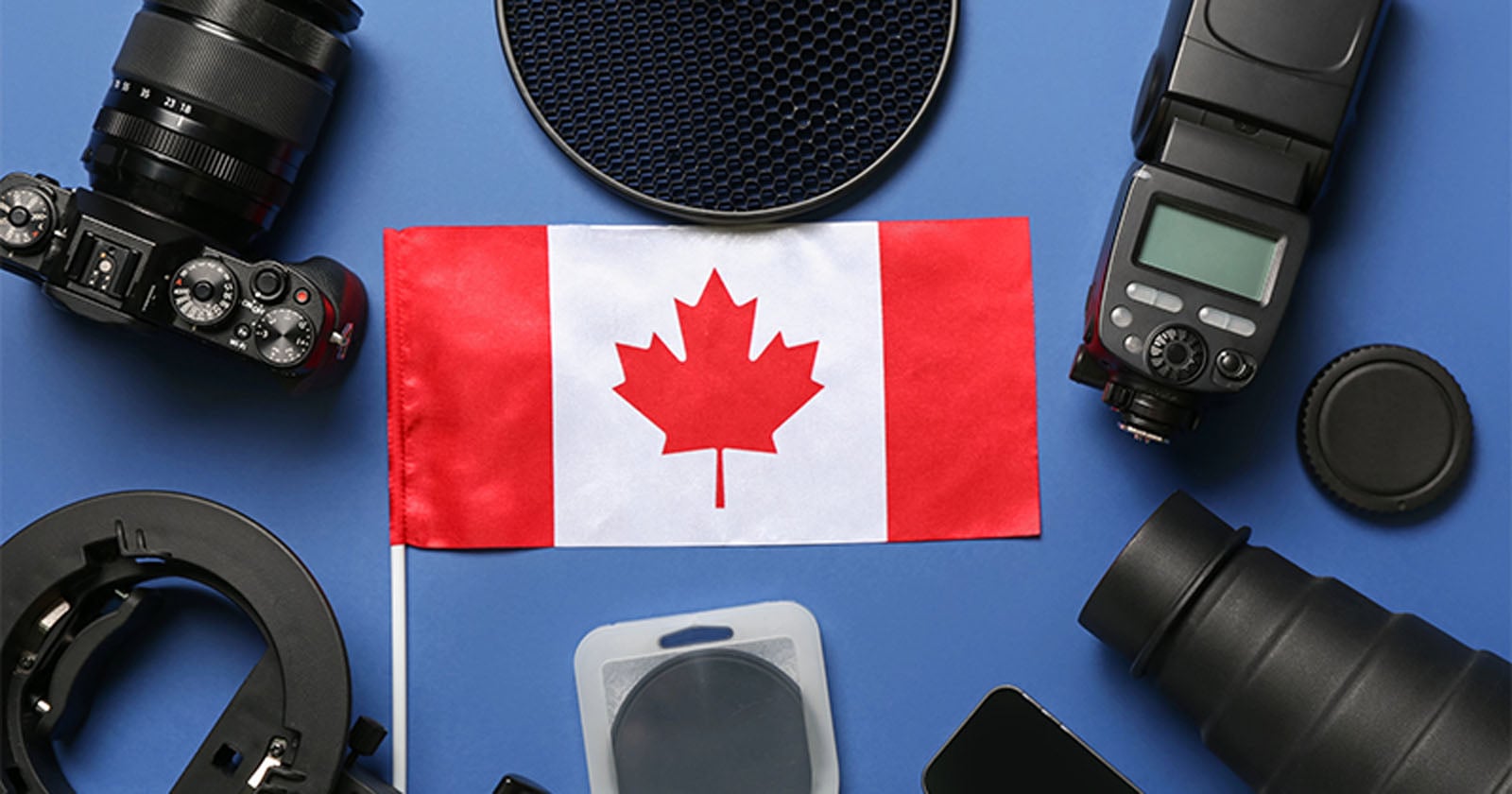
Canada's Budget 2026 has quietly done something rare: it has looked at the work of making an image and called it what it is, art. The new protections and support carved out for Canadian artists, including photographers, signal a recognition that the person behind the lens is not a content machine but a creator whose craft deserves structural respect. We think that is a long-overdue recalibration, and one that should make every photographer pause and consider what it means for their practice.
For too long, photography has lived in an ambiguous space between commerce and art. A client hires you for a shoot, pays a fee, and often assumes the image is theirs to do with as they please, forever. The new budget suggests a shift: the act of capturing light, composition, and narrative is not a transaction but an authorship. This matters for anyone who has ever submitted a portfolio or negotiated a usage license. It echoes the conversation we explored in Finding Your Frame: The Art of Authenticity in Submittable Images, where the tension between raw, personal work and polished submissions often comes down to who controls the narrative. Budget 2026 adds a layer of legal and financial control to that artistic one. The frame is no longer just aesthetic; it is economic.
The timing is also notable when you consider the tools photographers are using. As The artistry of older Canon DSLRs still earns award-winning acclaim reminds us, many of the most celebrated images today are still made on cameras that predate the smartphone era. The craft endures because the eye matters more than the sensor. Budget 2026 implicitly validates that reality: it protects the practitioner, not the platform. Whether you shoot on a Canon 5D Mark III or the latest mirrorless body, your rights as an artist are now being treated as something worth legislating. That is a concrete victory for the working photographer who has been told, year after year, that their value is diminishing.
What remains to be seen is how these protections translate into daily practice. Will they affect the fine print of stock-agency contracts? Will they change how brands commission editorial shoots? The detail we are watching is enforcement. A policy is only as strong as the mechanism behind it. For now, the signal is clear: Canada has put photographers in the frame. The question for every artist reading this is whether you are ready to claim the space.