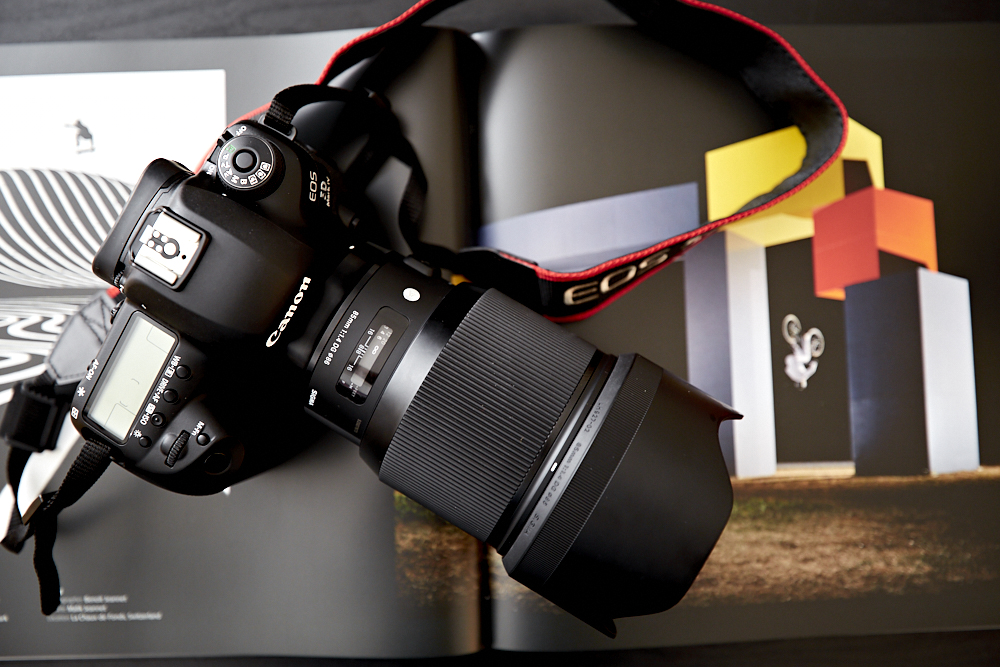
Ten years is a long time in any creative field, and for a camera to still be relevant a decade after its debut is a rare kind of staying power. When I first read about the Canon 5D Mark IV, I understood the original skepticism. The author's memory of rolling their eyes at its release, having already moved to Sony, Fuji, and Olympus, felt familiar. Those brands were sprinting ahead with innovation, while Canon seemed to be flying on a single, DSLR-shaped engine. But as the article points out, the camera's true evolution wasn't in its specs sheet; it was in how it quietly paved its own path into the mirrorless era. This isn't about the R5 series or the flashy new gear. It's about a foundational workhorse that refused to fade into obscurity.
We often chase the newest sensor or the most compact body, but there's a lesson here about trusting the tool you have. The 5D Mark IV's longevity speaks to a certain authenticity that our community values. It wasn't the loudest or the fastest, but it was reliable, consistent, and capable of producing images with a timeless quality. In a world that constantly pushes for the next upgrade, there's a rebellious, artistic charm in sticking with what works. This resonates with our ongoing coverage of the industry, such as the recent A Creative Court Win Cracks the Door to Canon's Closed Lens Mount, which shows how the ecosystem around these cameras is still being actively shaped, and the excitement around new glass like the A New Lens for Close-Ups: Canon's RF 90mm Macro Arrives. The point isn't that the 5D is still the best; it's that its DNA is woven into the very system many of us now use.
Our honest take is this: the Mark IV's relevance isn't a failure of newer tech; it's a testament to a more grounded philosophy. For the working photographer who values a solid, dependable image over a mountain of computational features, this camera remains a viable, even inspired, choice. We'd tell a reader that if you're looking for a body that doesn't fight you and gives you a classic, cinematic look, this is still a contender. It's not about being a luddite; it's about recognizing that the tool is a means to an end. And for those of us who also appreciate the collaborative side of the craft, like the Collaborate & Create: Boudoir Sessions Offered Across Florida's Coast, the camera's ease of use and reliable autofocus make it a comfortable partner in any shoot.
The real question isn't whether the 5D Mark IV is still good enough, but rather what it means to see a camera not as a disposable gadget, but as a long-term collaborator. Its evolution into the mirrorless world wasn't a hardware trick, but a cultural one, proving that the best gear is often the gear you can trust to be there, shot after shot. As we look toward the future, the specific detail to watch isn't the next release, but how the lessons of this camera's enduring design continue to influence the tools we choose. The takeaway, then, is simple: don't be so quick to dismiss a classic; you might just find it was ahead of its time by simply staying put.