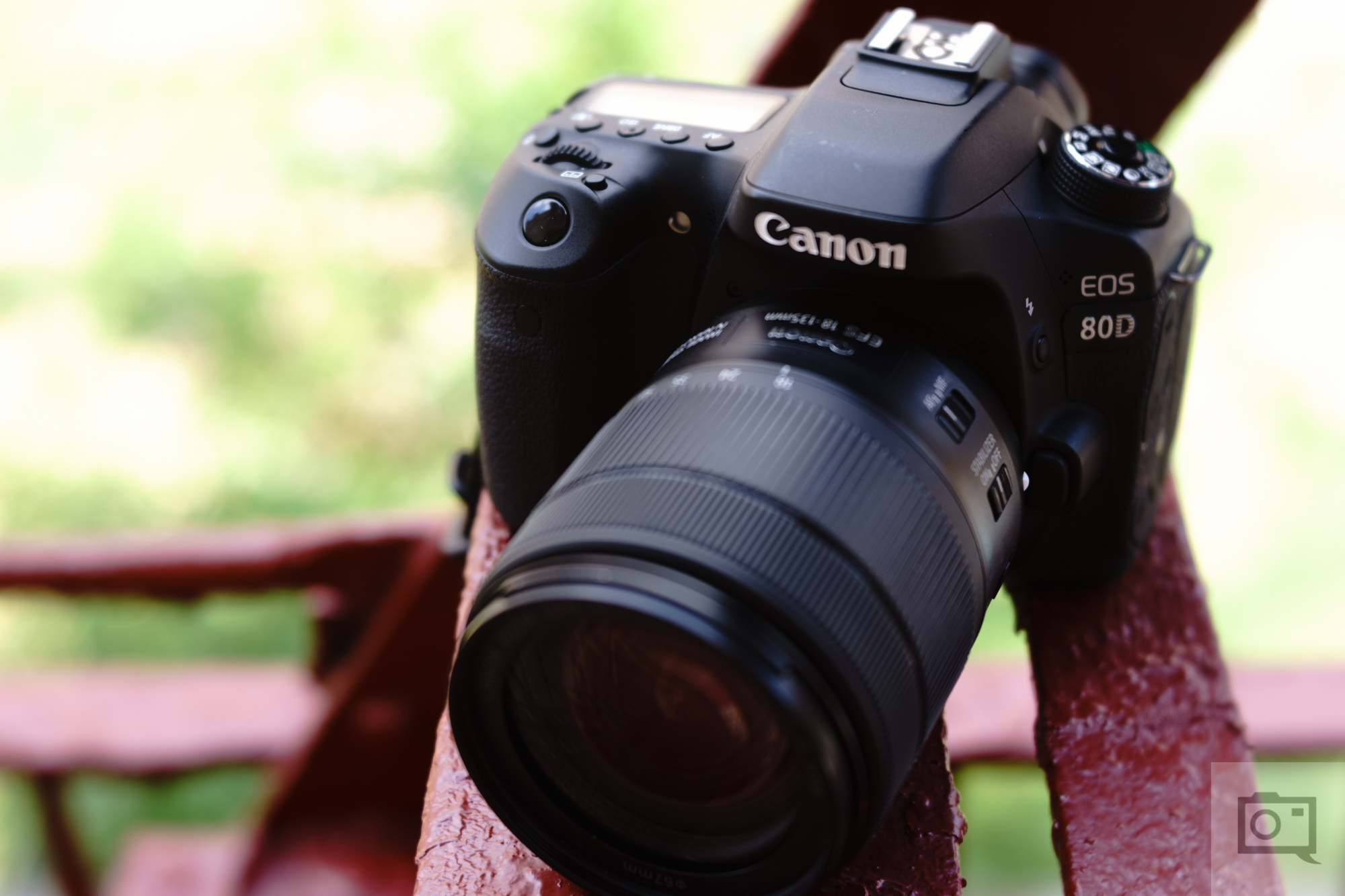
The Canon 80D. Say it out loud, and it sounds like a diagnosis. ADD. It is a verbal tic that framed an entire era of camera culture, and it is the perfect entry point into why this decade-old DSLR still feels like a conversation worth having. The joke at the time, as the review notes, was that Canon had attention deficit disorder when it came to the mirrorless revolution unfolding around them. And sure, that is fair. They were late to the party, and the industry was moving on. But here is the thing about that joke: it misses the point. The 80D was never about being first. It was about being right, and for a certain kind of creator, it still is.
Our take is not that you should rush out and buy one today. That would be silly. But the honest truth is that the 80D represents a specific, grounded philosophy that modern cameras, with their endless menus and computational overload, often forget. The review itself admits it is a favorite, while also wondering what Canon was thinking. That tension is the real story. For our readers, the ones who care about the intersection of art and utility, this is not a nostalgia trip. It is a reminder that the best tool is not the one with the most features, but the one that gets out of your way. The 80D had a tactile immediacy, a reliable autofocus, and a sensor that, while not class-leading, produced images with a certain organic warmth. It did not try to do everything. It just tried to do the things that mattered, well. In a world obsessed with the next thing, there is something quietly rebellious about sticking with the thing that works.
If a reader came to us asking whether the 80D is worth a second look, we would not give a simple yes or no. We would ask them what they value. If they are shooting video, there are better options now. If they are a hybrid shooter who wants a durable, familiar body that does not require a manual to operate, then yes, this is a camera that deserves a place in the bag. The practical takeaway here is not about the hardware, but about the mindset. The 80D forces you to slow down, to be deliberate, to commit to the frame instead of spraying and praying. That is a creative constraint, and constraints breed authenticity. Our advice is to borrow one, rent one, or find a used model, and see if it changes your relationship with the process. You might find, as many did, that the ADD joke was just a distraction from the fact that Canon had quietly built something with a soul, even if they forgot to bring it to the mirrorless party.
The open question is whether the industry will ever circle back to that kind of simplicity, or if we are too far gone into the realm of computational photography. That is the detail to watch. Because if the 80D teaches us anything, it is that attention is a choice, and sometimes the most progressive thing you can do is look back. The specific takeaway, the one you can quote, is this: the Canon 80D is not a relic, it is a reminder that good tools do not need to shout to be heard. And in a market that never stops talking, that silence is the loudest statement of all.