Canon Adds Flash Support to the R6 V With New Firmware
Our take
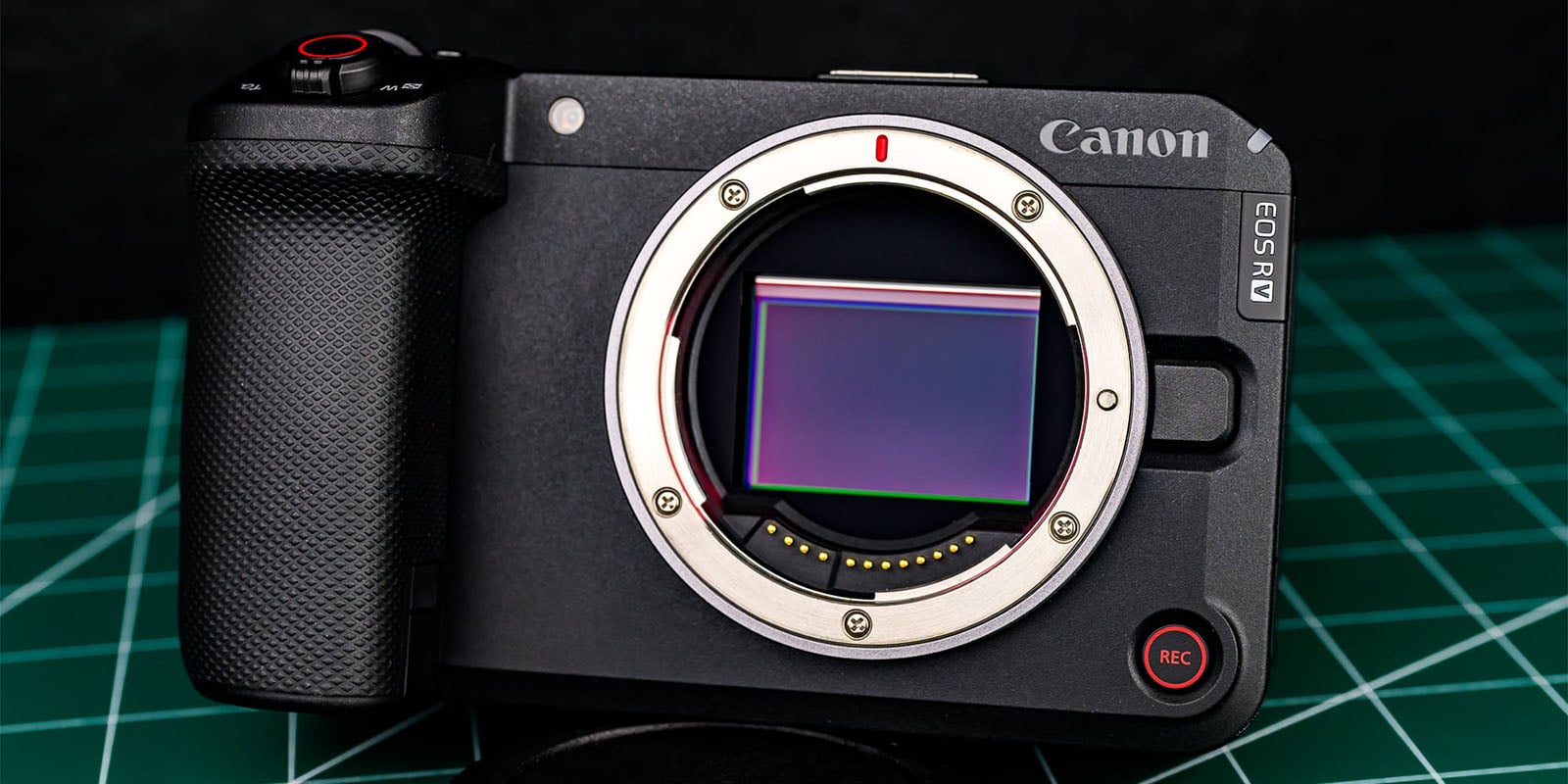
## Canon's Flash Revelation: A Subtle Shift with Significant Implications for Creative Expression
Canon's recent firmware updates for the EOS R6 Mark III and, crucially, the EOS R6 V, introducing native flash support, might seem like a relatively minor announcement on the surface. However, for photographers invested in the Canon ecosystem, particularly those leaning into studio work or event photography, this is a genuinely welcome and unexpectedly impactful development. The R6 V, positioned as a more streamlined and accessible alternative to the Mark III, initially lacked this fundamental capability, creating a gap in its functionality. This update effectively bridges that divide, bringing it closer in line with Canon’s broader professional offerings and addressing a key pain point for many users. It’s a testament to Canon's responsiveness to user feedback, demonstrating a willingness to refine and enhance existing models rather than solely focusing on flagship releases. For those considering a move into mirrorless or upgrading their current setup, this feature adds considerable value to the R6 V’s proposition. It’s also a smart move considering the competitive landscape, as Sony’s offerings have long provided robust flash integration. Readers interested in exploring the broader capabilities of Canon's mirrorless system might find Canon’s RF Lens Roadmap a useful resource.
The significance extends beyond simply adding a feature; it speaks to Canon’s evolving strategy regarding its mirrorless lineup. Initially, the R6 V was marketed as a more approachable entry point, perhaps sacrificing some advanced features to maintain a lower price point. This flash support signals a recalibration – a recognition that even more accessible cameras need to deliver professional-grade functionality. This isn’t just about triggering a flash; it’s about seamless integration with Canon’s Speedlite system, offering TTL (Through-The-Lens) metering, high-speed sync, and other advanced flash controls directly within the camera body. This eliminates the need for cumbersome workarounds or external adapters, streamlining the workflow for photographers of all skill levels. The implications for event photographers, wedding shooters, and portrait artists are particularly pronounced, as reliable and versatile flash performance is paramount in these disciplines. Furthermore, the fact that this update is being rolled out to both the R6 Mark III and R6 V ensures consistency across the lineup and reinforces Canon's commitment to supporting its existing user base. Examining the differences between the Mark III and V can also be informative for potential buyers – see R6 Mark III vs. R6 V for a detailed comparison.
Looking at the larger context of the camera industry, this move highlights a growing trend towards iterative improvements and feature parity across various camera tiers. Manufacturers are increasingly recognizing that users demand a consistent experience, regardless of the camera’s price point. The days of reserving advanced features solely for flagship models are gradually fading away. This benefits consumers by providing more options and ensuring that even more affordable cameras can deliver professional-quality results. The integration of native flash support also contributes to the broader ecosystem of accessories and lighting equipment, creating opportunities for third-party manufacturers to develop compatible products and further expand the capabilities of Canon cameras. The seamless integration of flash control within the camera menu, mirroring the established functionality of Canon's DSLRs, will also be appreciated by photographers transitioning from those systems. This consistency in user experience is a key factor in maintaining brand loyalty and attracting new customers.
Ultimately, Canon’s inclusion of native flash support in the R6 V isn't revolutionary, but it’s a strategically important refinement. It solidifies the R6 V’s position as a versatile and capable camera for a wide range of photographic applications. The question now becomes: what other previously exclusive features might Canon consider bringing down to its more accessible models? Will we see more advanced video features trickle down to the R6 V, or perhaps improvements to autofocus performance? The industry’s continued focus on iterative improvements suggests that the future of photography will be defined by incremental advancements and a growing emphasis on user experience across all camera tiers.
Canon released new firmware updates for the EOS R6 Mark III and EOS R6 V cameras this week. Arguably the biggest addition of all is the ability to shoot with flash on the R6 V.
Read on the original site
Open the publisher's page for the full experience