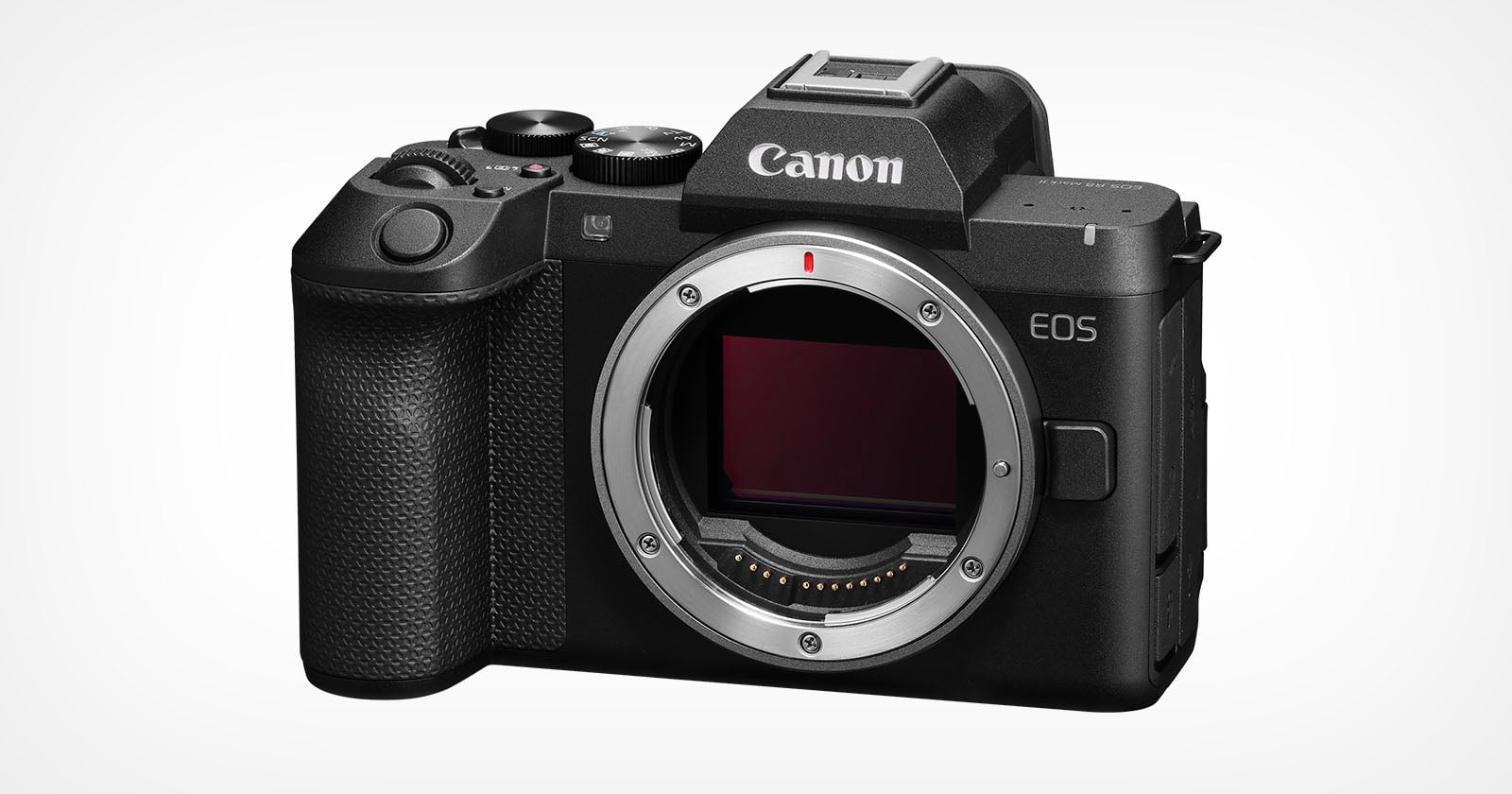
There is a quiet confidence in the way Canon has approached the EOS R8 Mark II, and that confidence is earned. This is not a camera that shouts for attention with a laundry list of specs; it is a camera that whispers potential, inviting both the first-time shooter and the grizzled professional to find their own rhythm. The inclusion of in-body image stabilization and a 4K60 video capability, alongside the tactile addition of an AF joystick, tells us that Canon is listening to the people who actually make images, not just the ones who buy them for the badge. It feels like a curated response to a very real conversation about what a modern full-frame camera should be.
For the creative community, this is a fascinating bridge. The camera is clearly designed to be a gateway for the budding photographer, but it refuses to treat that budding artist as someone who needs to be coddled with limitations. Instead, it offers a foundation that can grow with you, which is a philosophy we admire. This echoes the sentiment we saw with the Leica Lux 2.0: Crafting iPhone Photography with Artistic Vision, where the focus was on the artistic intent behind the capture rather than the gear itself. Both products understand that the tool is secondary to the eye, yet they also recognize that a responsive, intuitive tool can free the mind to focus on the art. It is a delicate balance, and Canon seems to be walking it with a more deliberate step than we often see.
Of course, the conversation around glass is never far behind. A camera body is only the beginning of the story; the lens is where the narrative truly develops. With that in mind, the recent arrival of the A New Lens for Close-Ups: Canon's RF 90mm Macro Arrives feels particularly timely. Pairing a body that promises accessibility with a lens that demands a more considered, detailed eye is a compelling combination. It suggests that Canon is building a system that rewards patience, whether you are just learning to compose a shot or you are chasing the perfect texture in a macro petal. The R8 II is not just a piece of technology; it is an invitation to slow down and see the world more deliberately.
Our honest take is this: the EOS R8 Mark II might be the most important camera Canon has released in years, not because it is the most powerful, but because it is the most versatile. It acknowledges that the line between "beginner" and "expert" is often blurry, and that most of us live somewhere in that beautiful, creative middle. We would tell a reader who is on the fence that this is a camera that will not hold you back, but it will also not do the work for you. It asks for a little faith and a willingness to learn, and in return, it offers a platform for genuine artistic growth. The real question is not whether this camera is good enough, but whether you are ready to take it off auto and trust your own vision. That is the detail to watch: not the specs, but the spark they are designed to ignite.