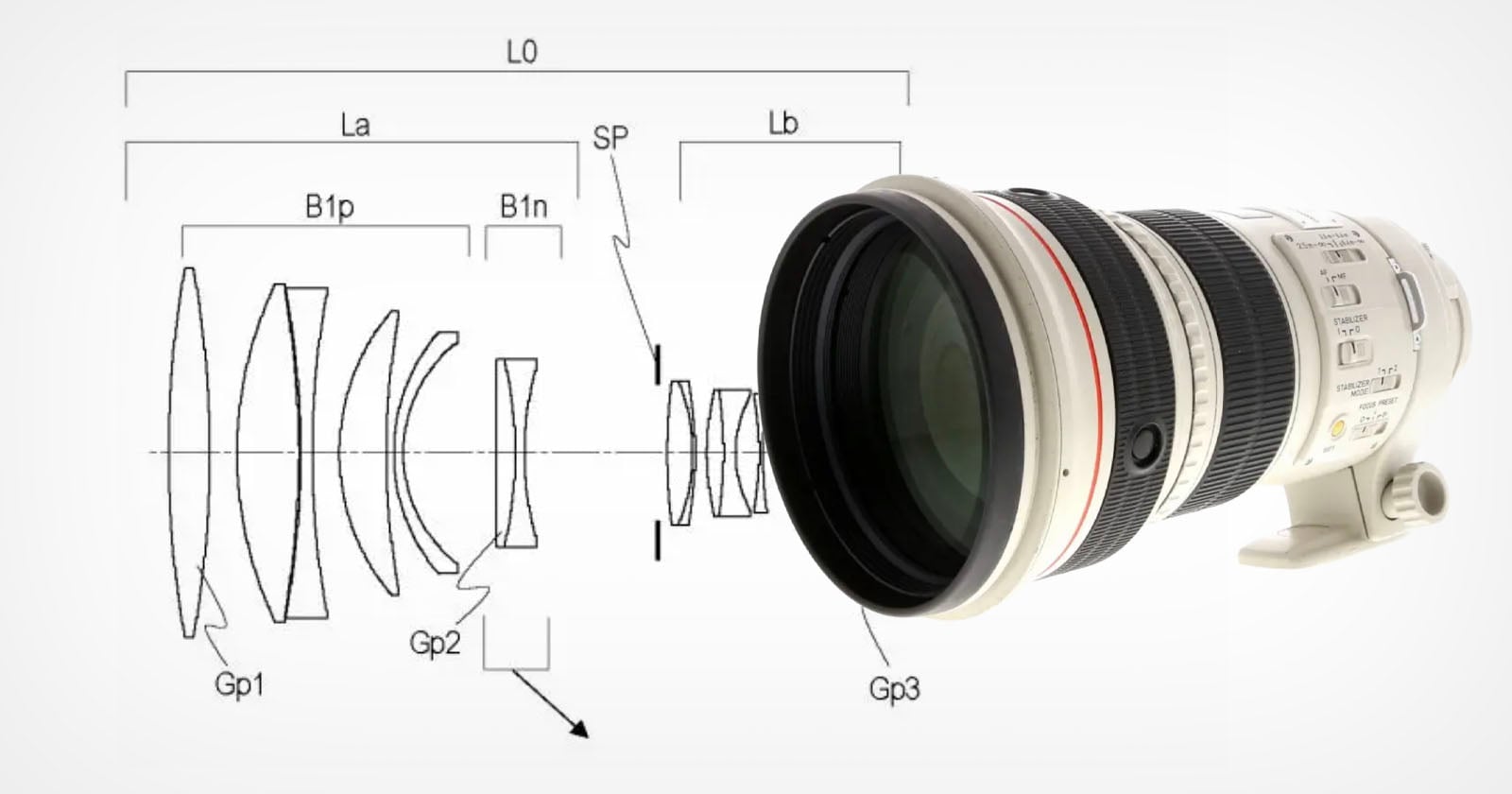
The recent patent applications from Canon have stirred excitement among photography enthusiasts and professionals alike. With the introduction of potential new lenses—namely a 130mm f/1.8, a 300mm f/2.8, and a 500mm f/5.6—Canon is signaling a commitment to expanding its mirrorless offerings and enhancing the EOS R system. Although these patents do not guarantee production, they represent Canon's ongoing innovation in a competitive landscape, particularly as they look to challenge rivals like Sony. This development aligns with insights shared in our recent pieces, such as Canon May Be Building a Pro 300mm f2.8. Early Details Published and These Odd New Canon Patents Seem to Challenge Sony, which delve into Canon’s strategic evolution in lens technology.
The potential introduction of these lenses could significantly elevate the capabilities of photographers who rely on Canon's systems. The 130mm f/1.8 lens, for instance, promises to deliver exceptional bokeh and low-light performance, essential for portrait and event photography. Meanwhile, the 300mm f/2.8 and the 500mm f/5.6 lenses would cater to sports and wildlife photographers, providing the reach and clarity needed to capture fast-moving subjects in challenging conditions. Such advancements not only enhance the creative possibilities for users but also reflect Canon's understanding of the diverse needs within the photography community.
However, it's crucial to temper our enthusiasm with a dose of realism. The patenting process often serves as a testing ground for concepts that may or may not reach the market. Canon's history with lens development suggests that they are invested in pushing the envelope, but there is no certainty that these specific models will come to fruition. This uncertainty raises an important question for consumers: how do we balance our excitement for potential innovations with the reality of product availability? Canon's strategic moves may be indicative of broader trends in the industry, where manufacturers must continually evolve to stay relevant.
As we look ahead, the impact of these patents extends beyond mere specifications. If Canon successfully launches these lenses, it could redefine standards in optical performance, compelling competitors to respond with their own innovations. This scenario benefits the entire photography ecosystem, fostering a culture of creativity and pushing brands to deliver higher quality products that meet the evolving demands of their users. The ongoing dialogue within the community about these developments will be crucial in shaping what we can expect from Canon and its competitors in the coming years.
In conclusion, while we await confirmation on whether these lenses will materialize, the conversation surrounding them is already enriching the photographic landscape. As enthusiasts and professionals alike keep a close watch on Canon's next steps, one has to wonder: how will these advancements influence the artistry of photography as a whole? The journey of innovation is one we should eagerly anticipate, as it promises to inspire a new wave of creativity and expression in capturing the world around us.