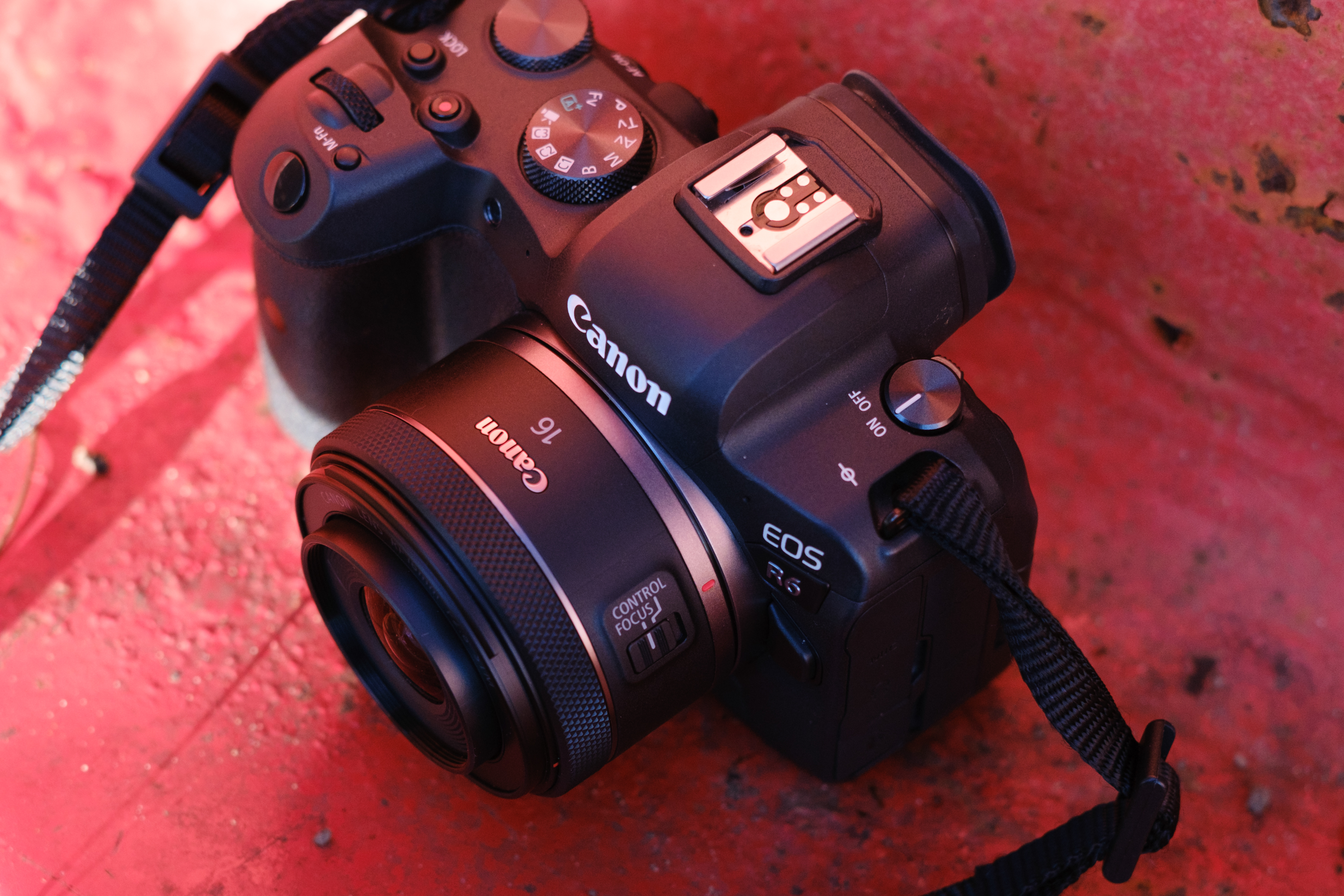
There is something quietly thrilling about a brand choosing to revisit its own history, especially when that history is written in glass and metal. Canon's recent patent for a redesigned 16mm lens is not a flashy announcement or a promise of revolutionary new technology, but it carries a weight that dedicated photographers will feel immediately. While Panasonic plays with switching rings and Nikon refines its prime lineup, Canon is looking back at an iconic piece of its wide-angle heritage and asking a deceptively simple question: how do we make this better? That question, asked in a patent filing rather than a launch event, feels like a conversation between generations of engineers and the artists who trust their work.
For the working photographer, the practical takeaway here is less about the patent's technical drawings and more about what this signals. A redesigned 16mm is not a casual iteration. It is a statement that Canon sees the value in a focal length that has long been a favorite for architecture, environmental portraits, and immersive storytelling. We have seen the brand push boundaries with 45mm and 70-200mm designs, but the 16mm holds a specific place in the visual language of those who like to get close to their subjects while keeping the world around them in frame. If this patent translates into a commercial product, it means a lighter, sharper, or more characterful option for those who have been waiting for an excuse to upgrade their kit without abandoning the aesthetic they have built their style around.
What we would tell a reader who asks us about this news is simple: do not rush to pre-order anything yet, but do start paying attention. Patents are promises of intent, not guarantees of release, and the gap between a filing and a store shelf can be vast. However, the direction is meaningful. In a market often obsessed with zoom ranges and autofocus speeds, Canon choosing to refine a prime wide-angle suggests a respect for the deliberate, considered approach to image-making. It is a reminder that some tools are worth perfecting, not just replacing. For the creative who values authenticity over specs, this is a quiet validation that the industry still listens to those who shoot for the love of the frame, not just the convenience of the feature sheet.
The detail to watch is whether this redesigned 16mm keeps its soul while gaining new capabilities. Will it be a clinical, optically perfect instrument, or will it retain some of the character that made the original beloved? That is the question that lingers, and it is the one that will determine whether this patent becomes a footnote or a new chapter. We will be following the story with the same anticipation we reserve for a favorite artist's next exhibition, hopeful that when the lens finally arrives, it feels less like an upgrade and more like a homecoming.