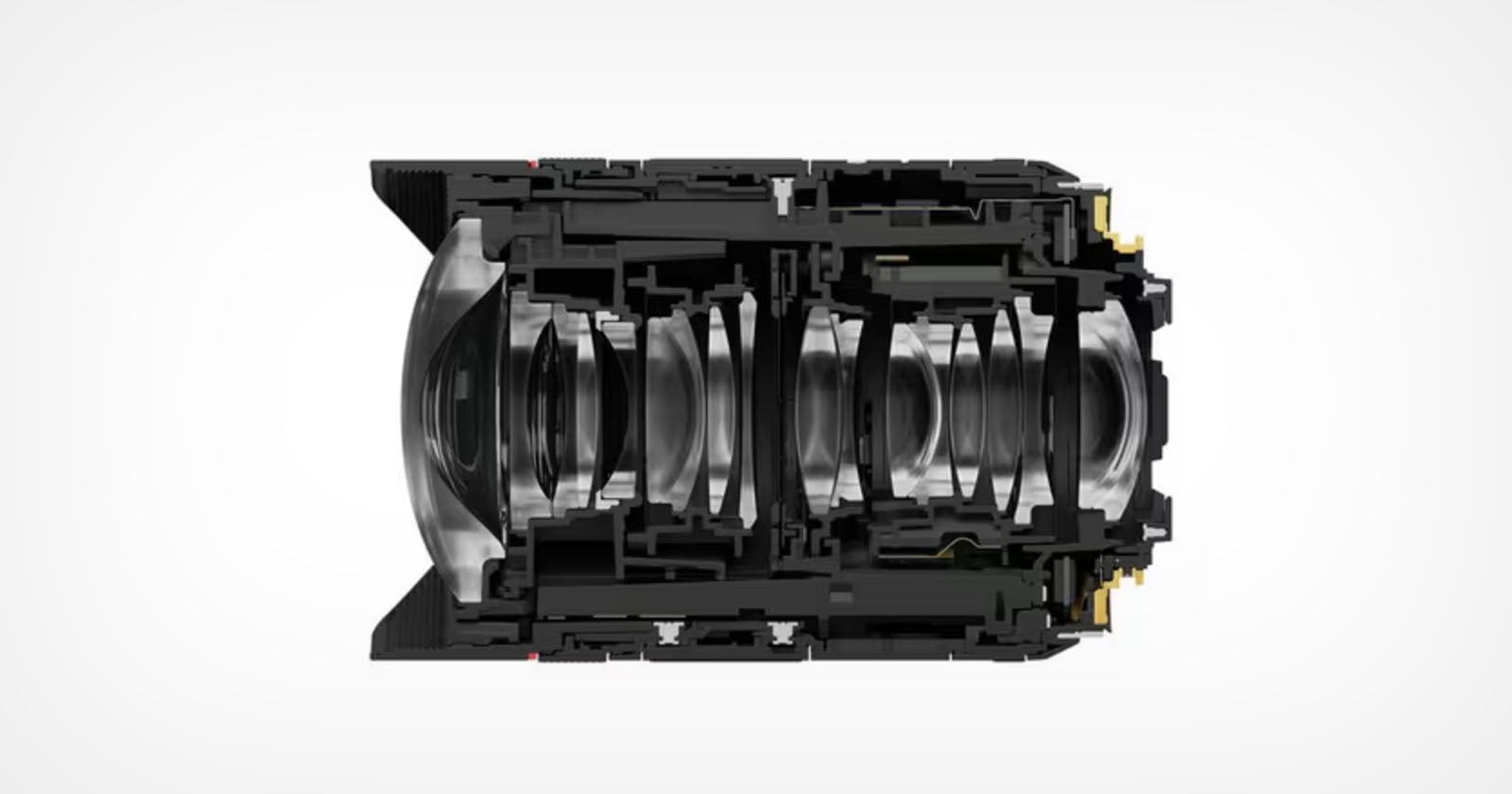
Canon's latest patent for a three-group lens design is the kind of quiet engineering news that doesn't scream for attention, yet it deserves a closer look. The specifics matter less than the philosophy behind them: faster autofocus, delivered through a structural rethink rather than a software patch or a beefier motor. In a world where every new camera body promises speed, it's refreshing to see a brand double down on the optical foundation itself. That's not just technical ambition; it's a statement about how Canon views the future of capturing a moment.
For our readers who live at the intersection of craft and curiosity, this patent is a reminder that the tools we carry are never just machines. They're collaborators in a creative process, and the lens is where that partnership begins. A three-group design isn't about chasing specs for the sake of a spec sheet. It's about reducing the distance between intention and image, letting you stay in the flow of a shoot rather than wrestling with focus lag. That's the kind of subtle shift that doesn't make headlines but does make your favorite frames sharper, your candid shots more alive. It's the difference between documenting a scene and being present in it.
This also feels like a natural counterpoint to the broader conversations we've been having about lens mounts and access. When Nikon sued Viltrox over the Z-mount, the industry's closed ecosystems took a hit, and the door cracked open for third-party innovation. Canon's patent, by contrast, is a quiet vote for internal evolution over external disruption. It's not about opening doors; it's about refining what's already inside. And while that may lack the drama of a legal win, it's arguably more impactful for the everyday shooter who just wants their glass to keep up with their eye. Similarly, when we revisited the Olympus E-M5, we were reminded that iconic tools often earn their status through thoughtful design, not just marketing. This patent feels like that same ethos: unflashy, deliberate, and quietly essential.
In practical terms, what should you take from this? If you're someone who shoots fast-moving subjects, event work, or just values a responsive lens, this suggests Canon is investing in the mechanics of focus in a way that could trickle down to future RF lenses. It's not a promise of a specific product, but it is a signal. The takeaway worth quoting: "The next leap in autofocus won't just be in the body; it'll be in the glass, and Canon is betting on a smarter optical arrangement to make it happen." Watch for whether this design appears in a lens that prioritizes speed over size, or if it becomes a new standard across their lineup. That's the detail that will tell us if this is a one-off experiment or the start of a new visual language.