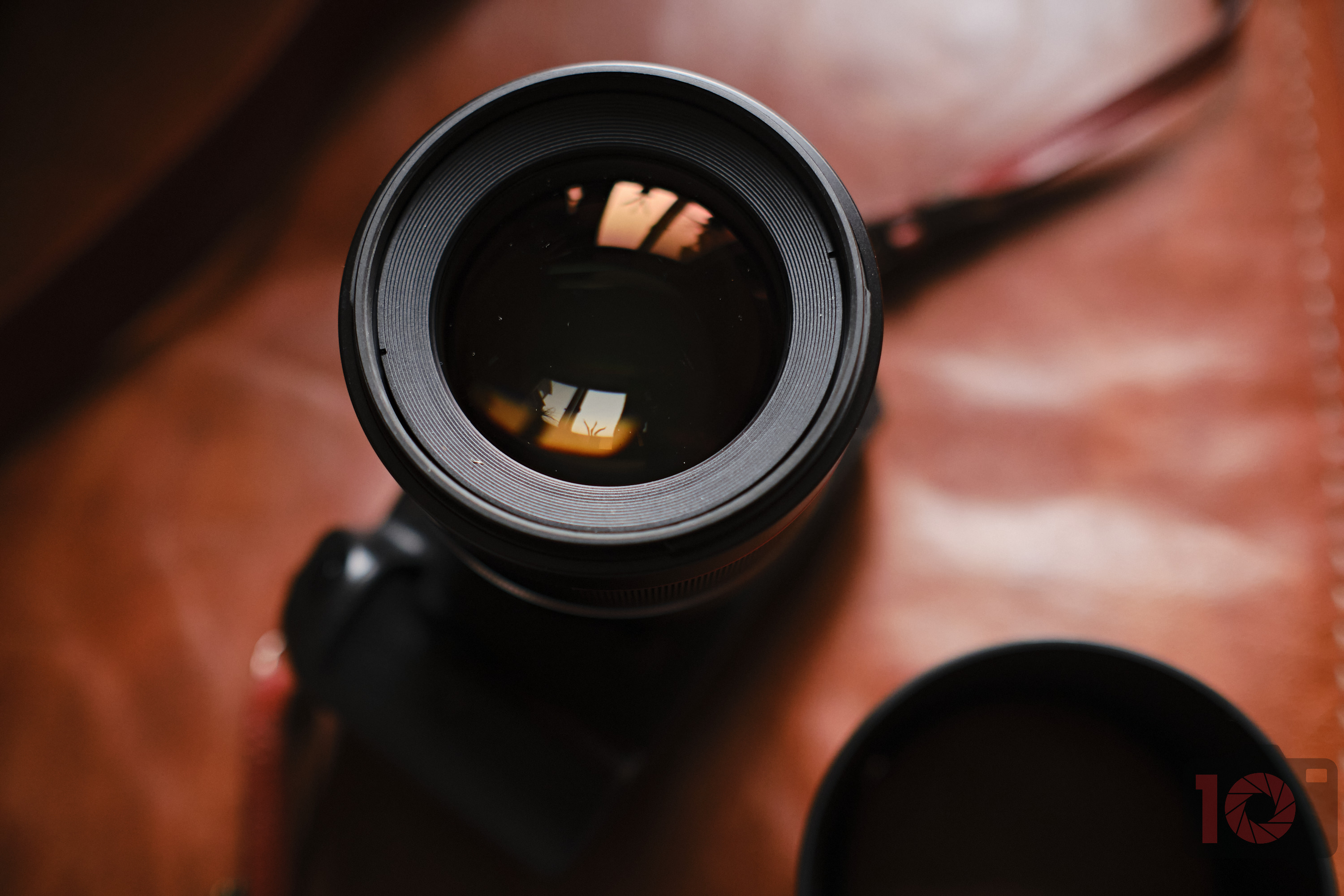
There is a particular kind of ache that comes from tasting something rare and knowing the door has already closed. That is the feeling that lingers after reading about the Canon RF system's third-party lens situation. The journalist in question reviewed the Samyang 85mm f1.4 AF back in 2020, a lens that promised the kind of artistic flexibility that makes a photographer's pulse quicken. It was a unicorn then, and it remains one now, not because it was too beautiful for this world, but because Canon sued Samyang and Rokinon into stopping production. The lens didn't disappear because it was flawed; it disappeared because a corporate decision snuffed it out. And that, more than any technical spec, is the story we should be paying attention to.
This is not a small grievance from a disgruntled insider. It is a window into how Canon views its own ecosystem, and it speaks directly to the tension between creative freedom and brand control. We have long celebrated the artistry of photography, from the ethereal captures in an astrophotography journey with Nikon to the community-driven energy of the 5 Boro Foto Fest. Those stories remind us that photography thrives on diversity, on the unexpected tool, on the lens that no one saw coming. When Canon blocks third-party manufacturers from entering the RF mount, they are not protecting a standard; they are closing a door on the very serendipity that makes the art form vibrant. The journalist is right to say Canon is hurting their own system, but it goes deeper than market share. It is about the message they send to the creative community: we will curate your choices for you, whether you like it or not.
For the working photographer, this is not abstract. It means fewer affordable options, less innovation at the margins, and a reliance on Canon's own often-premium pricing. The Samyang 85mm was a taste of what could be, a lens that offered character and capability without the flagship price tag. Its absence leaves a hole that Canon's own lineup does not fully fill. If a reader asked us whether they should invest in the RF system today, we would tell them this: understand the walls you are building around yourself. The system is capable, yes, and Canon's native glass can be exceptional, as seen in the recent arrival of the RF 90mm Macro. But capability without choice is a gilded cage. The question is not whether Canon makes good lenses; it is whether they trust you enough to let others play in their sandbox. History suggests they do not, and that is a cost that no sharpness chart can measure.
The takeaway worth quoting is simple: a camera system is only as inspiring as the ecosystem that surrounds it, and Canon is currently pruning branches that could have borne fruit. We would tell any reader weighing their options to factor in this closed-door philosophy, not just the megapixels. The Samyang 85mm remains a ghost in the machine, a reminder of what happens when legal strategy outweighs artistic potential. Watch what Canon does next, not in their marketing, but in their licensing agreements. That will tell you everything.