The camera industry loves a good data story, and the annual Nikkei Industry Map is the closest thing we have to a definitive scoreboard. The latest edition confirms what many of us have suspected while scrolling through specs and pre-order pages: Canon has not just held its ground; it has solidified a lead that looks less like a competitive gap and more like a comfortable orbit. The CIPA numbers tell us how many cameras are shipping, but Nikkei tells us who is actually winning the hearts, minds, and wallets of photographers. For a market that thrives on nostalgia and technical one-upmanship, this is the cold, hard ledger of reality.
We find this news less about Canon's triumph and more about the ecosystem they have built to get there. It is one thing to ship more units; it is another to create a system so sticky that the recent legal friction around lens mounts feels like a side quest rather than a threat. Speaking of which, our recent coverage of A Creative Court Win Cracks the Door to Canon's Closed Lens Mount showed that even a crack in the armor can send ripples through the third-party market. And while we are on the subject of resilience, revisiting the The Curated Archive: Revisiting the Olympus E-M5, the Original Icon reminds us that market share is fickle, but a distinct visual character is a legacy that survives any spreadsheet.
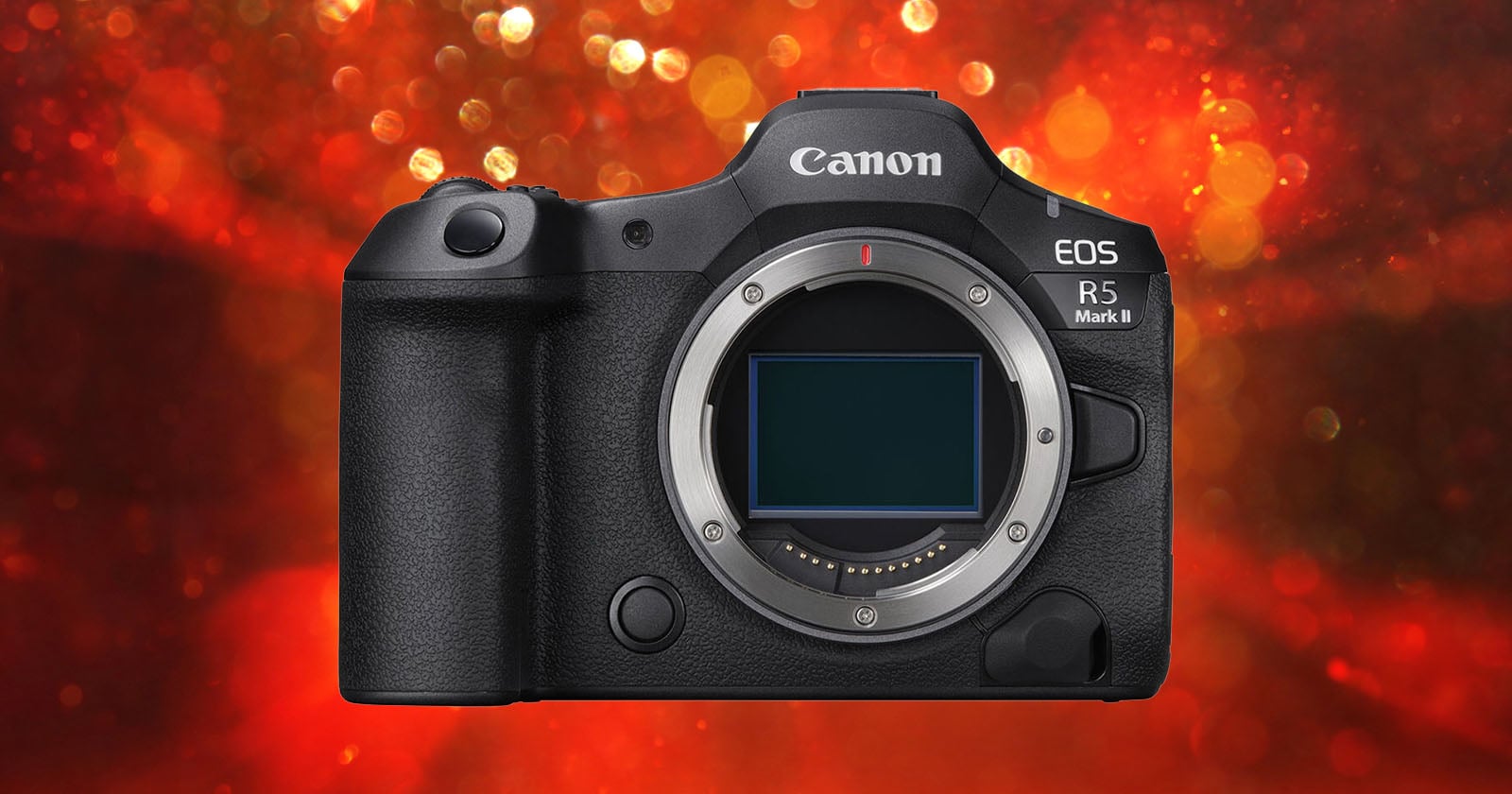
So, what is our honest take for the working photographer? We would tell you to stop worrying about whether Canon is "winning" and start paying attention to what their dominance means for your bag. The practical consequence of Canon's lead is a roadmap that prioritizes the RF mount for the foreseeable future. That means more bodies like the EOS R5 Mark II, more pro-grade glass, and a relentless push toward the high end where margins, and features, live. It also means that the pressure is on for the competition to differentiate, which is why we see giants like Nikon chasing the stars, a journey we explored in Capturing Cosmic Beauty: An Astrophotography Journey with Nikon. That contrast is healthy; it forces innovation.
The deeper story here is about confidence. Canon's market share is a vote of trust from photographers who value the marriage of art and utility, who want a tool that disappears in the hand and lets the creative eye lead. But dominance can breed complacency. We are watching to see if Canon uses this lead to become more open, or if they double down on the closed system that got them here. The specific detail to watch is the mid-range segment; if Canon starts pushing hard into the enthusiast APS-C or entry full-frame market with the same vigor they brought to the flagship race, the gap will become a canyon. For now, we recommend you vote with your instincts, not the statistics. The best camera is still the one that makes you want to shoot, regardless of the logo on the front.