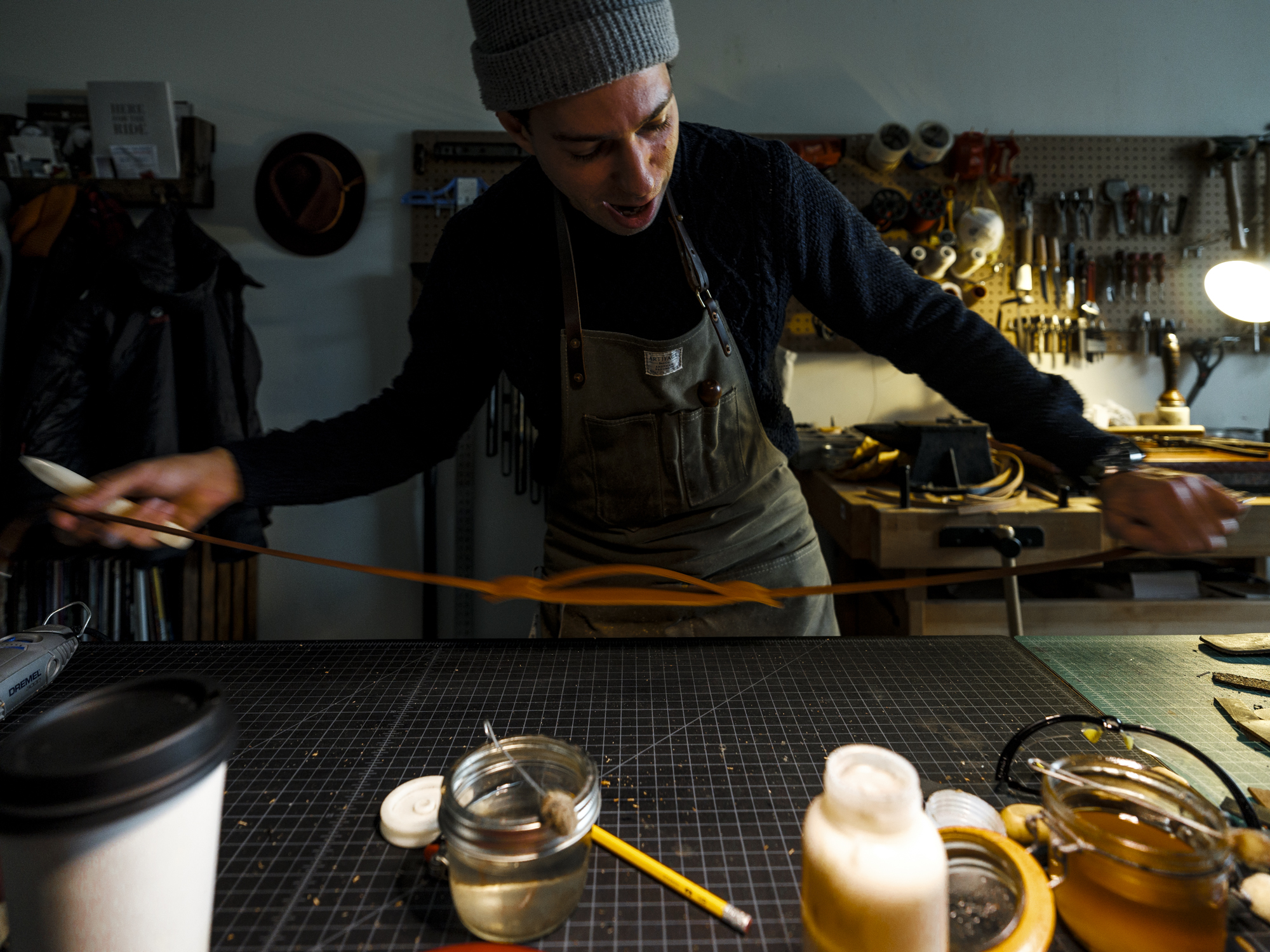
There is a quiet art to being unseen. The article on candid portraiture makes a case that most of us already suspect: capturing someone in their truest moment requires either deep trust or near-invisible stealth. The fly-on-the-wall ideal is seductive, but the piece rightly admits that not every photographer can vanish into a room. What it leaves unspoken, however, is the deeper truth that this tension between trust and invisibility is exactly where the most authentic images live.
For our readers, whether you are a creative collaborator documenting a studio session or a health-conscious enthusiast capturing a sunrise run, the practical takeaway is that you do not need to become a ghost. You need to become a presence that people forget. That distinction matters. The article suggests that if you cannot be stealthy, you must build trust. We would push that further: trust is not a consolation prize for the un-stealthy. It is the foundation of every candid portrait that feels like a secret. When a subject stops performing for the lens, they are not ignoring you; they are inviting you into their rhythm. The photographer who earns that invitation captures something far richer than the person who simply hides behind a doorframe.
What does this mean in practical terms? Start by slowing down. The article implies that candid moments require patience, but we would name it directly: the most powerful candid portraits often come after the first fifty frames. The subject relaxes. Their guard drops. The photographer becomes part of the furniture. This is not about technical skill with aperture or shutter speed, though those matter, but about emotional intelligence. You have to read the room, sense when the energy shifts, and know when to press the shutter without breaking the spell. If a reader asked us for one actionable step, we would say this: next time you photograph someone, put the camera down for the first five minutes. Talk. Laugh. Let them see you as a person, not a lens. Then pick it up again. The difference will be visible in the eyes.
The article touches on the stealth approach as an aspiration, but we find that path often leads to stiff, accidental compositions. The real artistry is in being present without being intrusive. That is the balance our audience understands intuitively, whether you are styling a shoot, leading a yoga flow, or curating a closet. Authenticity is not about erasing yourself. It is about becoming a quiet collaborator in someone else's moment. The next time you reach for your camera, ask not how to disappear, but how to become a part of the scene that no one minds having around. That is the candid portrait worth capturing.