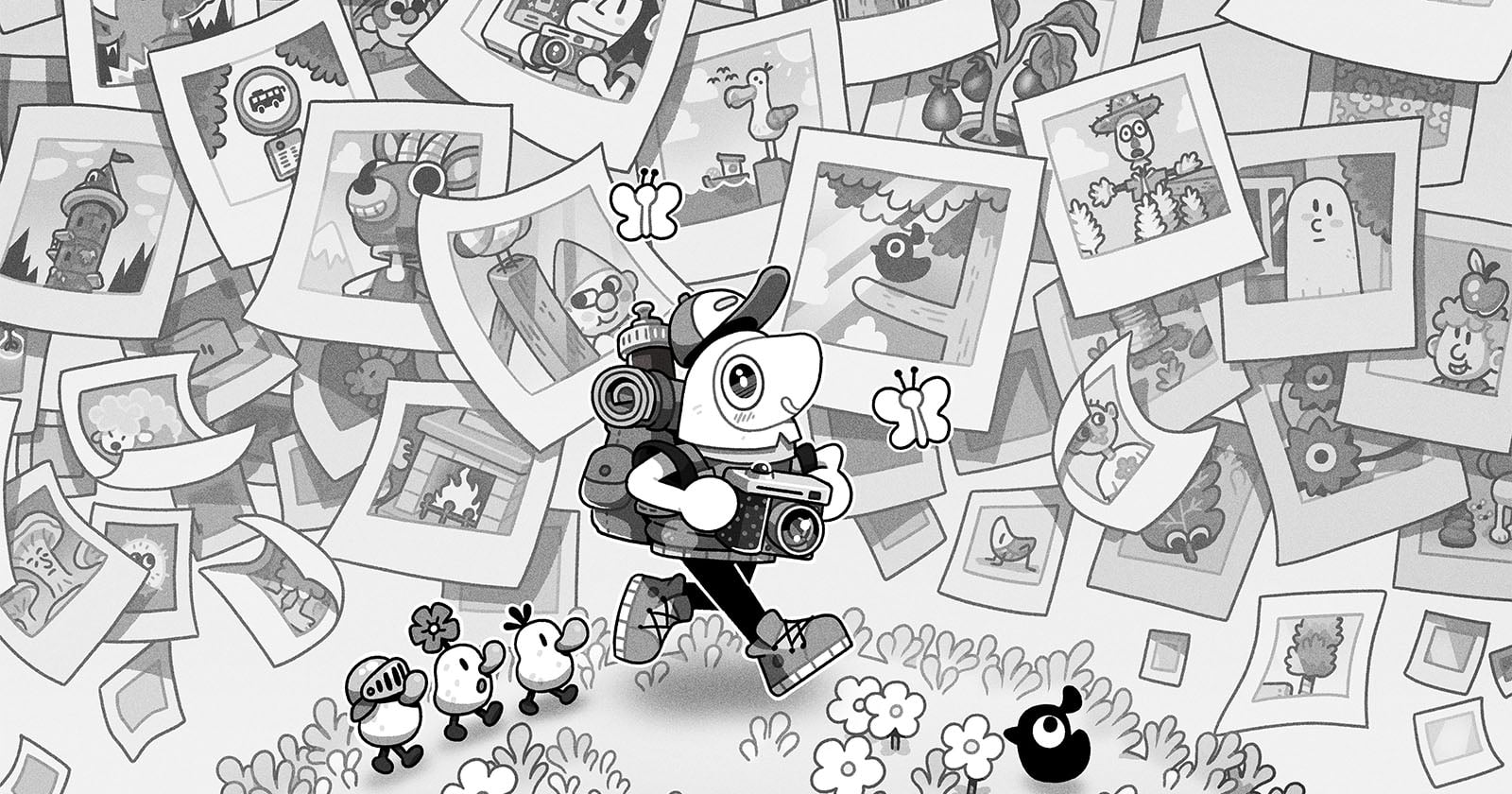
In an industry increasingly obsessed with photorealism and ever-expanding digital worlds, there is something quietly radical about a game that finds its entire reason to exist in a simple black-and-white photograph. Toem 2, the latest from Swedish studio Something We Made, is a "wholesome adventure about taking photos." On its surface, this sounds almost too simple, a gentle concept that could easily drift into the realm of the ordinary. Yet, the striking imagery of a lone character, camera in hand, wading through a field of flowers while floating polaroids drift like memories, suggests something far more immersive. This is not about capturing the most realistic sunset or the most technically complex composition; it is about the feeling that a single, well-timed frame can hold an entire story, a mood, or a fleeting connection.
For our readers, this is a refreshing departure from the relentless optimization that often defines both fitness and creative pursuits. We live in a world where we are constantly told to curate our lives, to capture every moment for a feed, yet we often forget the authentic joy that comes from simply looking. Toem 2 flips the script. It asks us to slow down, to explore, and to make friends, not as a series of side quests to complete, but as the core purpose of the journey. The game's appeal lies in its gentle challenge: to see the world with fresh eyes, to find the art in the everyday, and to forge connections that are not transactional but genuine. It is an aspirational concept that feels grounded, reminding us that the best creative tools are often the ones that make us more present, not more distracted.
Our honest take is that this is more than just a niche indie title; it is a quiet commentary on the way we interact with our own creativity. We would tell a reader who asked about it that this is the perfect counter-programming to the high-pressure world of visual perfection. It is a space where the goal is not to get the "perfect shot" for an audience, but to get the shot that feels right for you, to build a collection of moments that reflect your personal journey. The game's monochromatic palette is a deliberate choice, stripping away the noise of color to focus on light, shadow, and the emotional resonance of a scene. It is a curated experience that values the process over the product, a lesson that translates directly to any creative practice, whether you are a professional photographer, a weekend painter, or someone just trying to find a little more beauty in their daily routine.
The specific detail we are watching is how the game translates this philosophy into its core mechanics. Are the photos you take judged on composition, or on the stories they tell? The potential for a system that rewards narrative and emotional resonance over technical accuracy would be a bold, authentic step forward. It would validate the idea that connection is the true art form. For us, that is the concrete point that matters. We are not just playing a game about taking photos; we are being invited to reconsider what makes a moment worth capturing in the first place. If Toem 2 delivers on that promise, it will be more than just a wholesome adventure; it will be a meaningful reminder that the most important camera is the one we carry inside our own minds, and the best images are the ones we feel.