Capture One Adds Real-Time Multi-User Sessions for Studio Pros
Our take
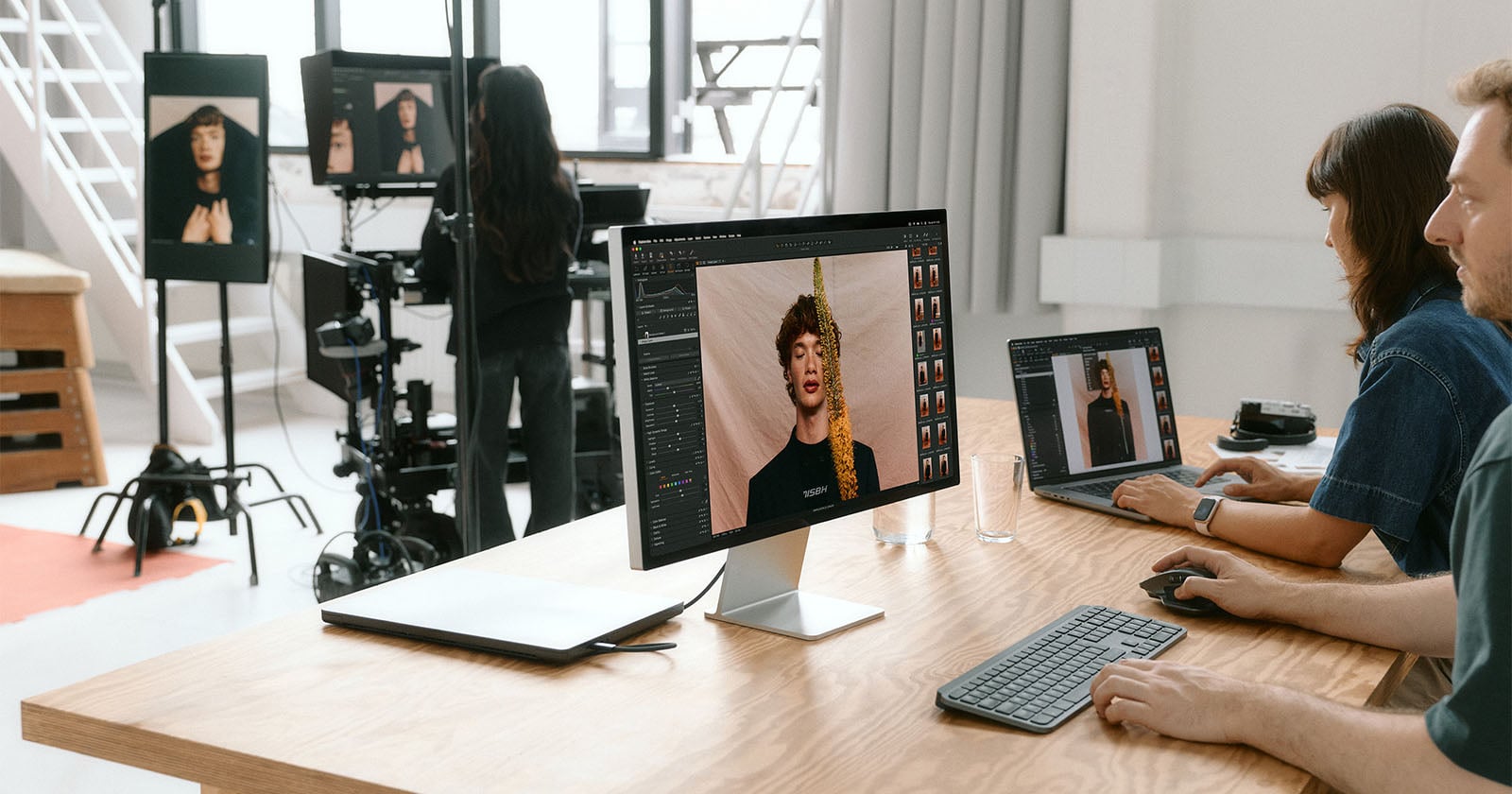
Capture One’s introduction of real-time multi-user sessions in version 16.8.2 represents a significant evolution for professional photography workflows, particularly within studio environments. This isn't merely a software update; it’s a recognition of the increasingly collaborative nature of modern image creation. For years, post-production has often been a solitary pursuit, with files passed back and forth via cumbersome cloud storage solutions or even physical drives. The ability to have multiple editors working simultaneously on a Capture One session, seeing each other's adjustments in real-time, streamlines the process dramatically, and represents a leap forward in efficiency. It echoes a trend we’ve observed across creative industries – the embrace of collaborative tools to foster faster iteration and enhance creative synergy, much like the capabilities highlighted in [The Leica 100mm f/2.8 Is a Modern Revival of an R-Mount Lens From 1987], where even lens design reflects a respect for legacy while incorporating modern collaborative development techniques. This development also comes at a time when cameras like the [The 44-Megapixel Leica SL3-P Is the Company’s Most Capable Camera Ever] are pushing the boundaries of image resolution, necessitating more robust and efficient post-processing solutions.
The implications of this feature extend beyond simple time savings. Real-time collaboration fosters a more dynamic and responsive creative process. Imagine a fashion photographer working with a retoucher across different locations, able to instantly discuss and implement adjustments to lighting, color grading, or skin tones. Or a commercial studio team refining a product shot together, ensuring everyone is aligned on the final aesthetic. It moves away from the linear “shoot-edit-review-revise” cycle, enabling a more fluid and iterative workflow. While Capture One has always been known for its exceptional image quality and tethering capabilities, this new collaborative functionality elevates it from a powerful editing tool to a central hub for the entire post-production team. It's a move firmly rooted in understanding the modern studio’s workflow, one where speed and precision are paramount, and where the best results often come from a shared vision. The reviews, such as [Leica SL3-P Review: Is the Best-Ever SL Camera Good Enough?], often emphasize the need for equally robust software to match the quality of the hardware – Capture One’s update certainly addresses that need.
The technical implementation of this feature will be crucial to its success. Real-time collaboration demands a stable and high-bandwidth internet connection, and Capture One’s developers will need to ensure the system can handle multiple users working on large, high-resolution files without significant lag or performance degradation. The user interface will also need to be intuitive and streamlined, allowing editors to easily track who is making changes and what adjustments are being made. This isn't simply about adding a chat window; it's about seamlessly integrating collaborative functionality into the existing Capture One workflow. The success of this feature will likely influence other photo editing software developers to prioritize collaborative capabilities, potentially leading to a wider shift in how professional photographers approach post-production.
Ultimately, Capture One’s real-time collaboration feature signifies a maturing of the digital photography workflow. It acknowledges the increasing complexity of modern image creation and provides a powerful tool to address it. The question now is how quickly this technology will be adopted across different segments of the photography industry and what further innovations will emerge to further enhance the collaborative editing experience. Will we see similar features integrated into other editing platforms, or will Capture One set a new industry standard for collaborative post-production?
Capture One has released version 16.8.2 today, which adds real-time collaborative sessions.
Read on the original site
Open the publisher's page for the full experience