Capture One Brings 4 Highly-Requested Features to Mobile
Our take
## Our Take: Capture One Mobile 4.0 – Bridging the Desktop-Mobile Divide in Photo Editing
The arrival of Capture One Mobile 4.0 signifies more than just a software update; it represents a compelling shift in the landscape of mobile photo editing. For years, mobile editing apps have offered increasingly sophisticated tools, but often at the expense of the nuanced control and fidelity found in their desktop counterparts. Capture One, renowned for its professional-grade raw processing and color science on desktop, has consistently aimed to narrow that gap, and this latest iteration feels like a significant leap forward. The inclusion of features previously exclusive to the desktop version, like improved masking tools and enhanced color grading capabilities, directly addresses long-standing requests from photographers who demand precision and creative flexibility on the go. This isn't simply about adding bells and whistles; it’s about empowering photographers to maintain their workflow and aesthetic regardless of location. We've previously explored the evolution of mobile editing with our piece on Best Mobile Photo Editors, and Capture One Mobile 4.0 undeniably strengthens its position at the high end of that spectrum. Moreover, the integration with Capture One’s tethering capabilities, allowing seamless transfer and editing of images from camera to iPad or iPhone, further solidifies its appeal to professionals who require a streamlined, end-to-end workflow.
The key to Capture One's success—and what this mobile update underscores—is its commitment to preserving the core essence of its desktop software. While mobile devices present inherent limitations in screen real estate and processing power, Capture One Mobile 4.0 intelligently adapts those features without sacrificing the quality of the editing experience. The improved masking tools, for instance, allow for more precise selections and adjustments, crucial for tasks like selective color grading or dodging and burning. This level of control was previously a major differentiator between mobile and desktop editing, and its inclusion here demonstrates Capture One’s dedication to providing a truly professional-grade experience. Consider also the broader trend of computational photography and AI-powered editing tools—while those technologies offer impressive results, they often lack the artistic control that many photographers desire. Capture One Mobile 4.0, by prioritizing traditional editing techniques and robust raw processing, provides an alternative for those who value precision and creative agency. For those new to the Capture One ecosystem, our article Understanding Capture One’s Color Science offers a deeper dive into what sets it apart from other photo editing software.
Beyond the specific feature additions, the significance of Capture One Mobile 4.0 lies in its contribution to the ongoing convergence of desktop and mobile workflows. The lines between these two platforms are increasingly blurring, as photographers seek tools that offer consistent functionality and a seamless transition between devices. This trend is fueled by the increasing power of mobile devices and the growing demand for on-the-go editing capabilities. The ability to make significant edits on an iPad or iPhone, then seamlessly sync those changes to the desktop version for further refinement, is a game-changer for many photographers. This not only streamlines the editing process but also allows for more spontaneous creative exploration, as photographers can capture, edit, and share their work without being tethered to a computer. The ease of sharing directly from the app is another factor, streamlining the entire process from capture to publication.
Looking ahead, the evolution of mobile photo editing will likely continue to be shaped by advancements in AI and machine learning. We can anticipate further integration of AI-powered tools within Capture One Mobile, potentially assisting with tasks like noise reduction, detail enhancement, and even automated masking. However, the enduring appeal of Capture One lies in its commitment to providing photographers with the tools and control they need to realize their creative vision. The question now is: how will Capture One balance the integration of AI with its core philosophy of artistic control and fidelity, ensuring that mobile editing remains a powerful tool for photographers of all skill levels? Will we see even tighter integration between the mobile and desktop versions, potentially blurring the lines between the two platforms entirely?
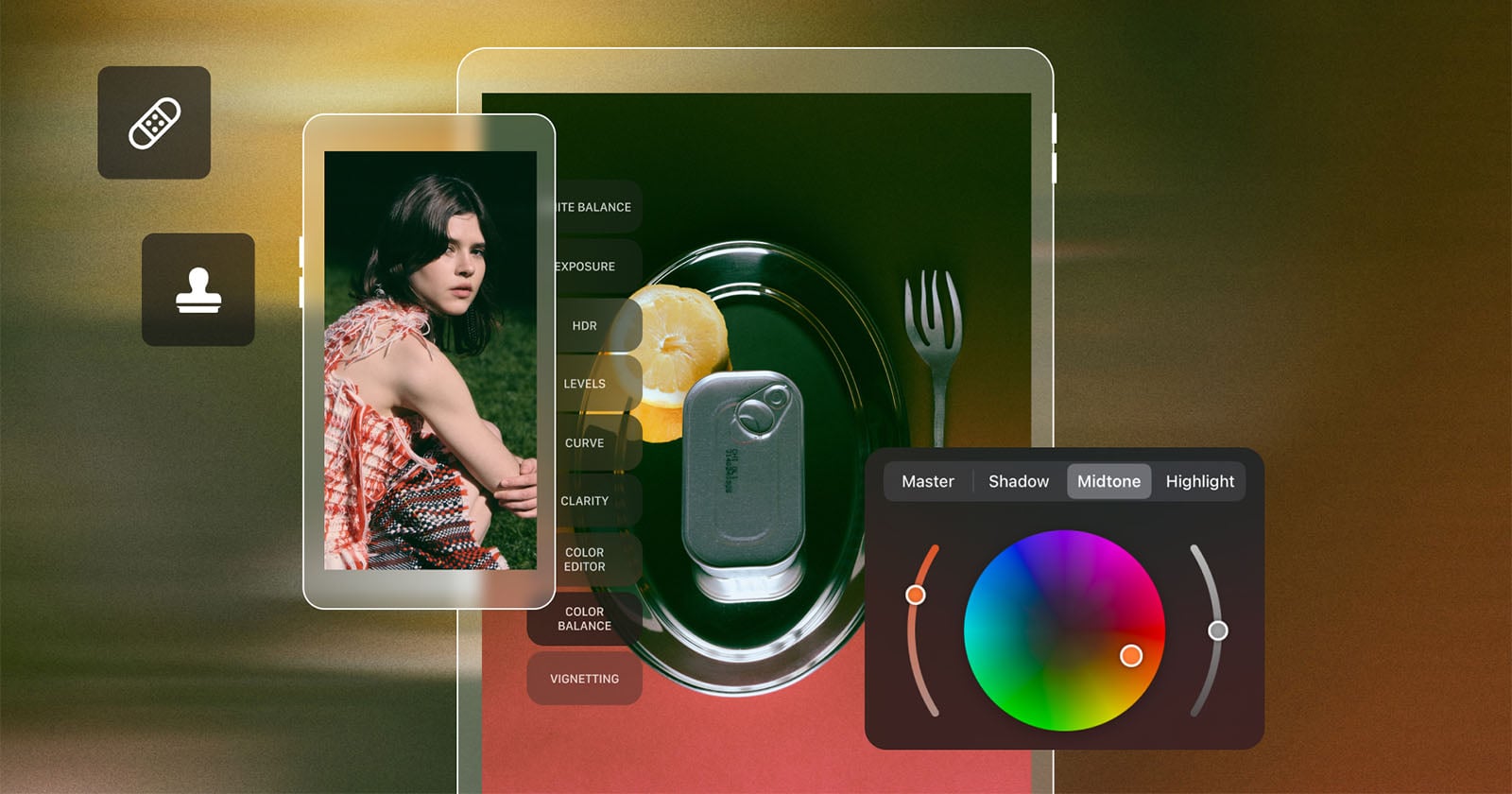
Capture One Mobile 4.0 has arrived, bringing more desktop-caliber editing features to iPhone and iPad.
Read on the original site
Open the publisher's page for the full experience