Capture One Brings Canon Wireless Tethering to Mobile
Our take
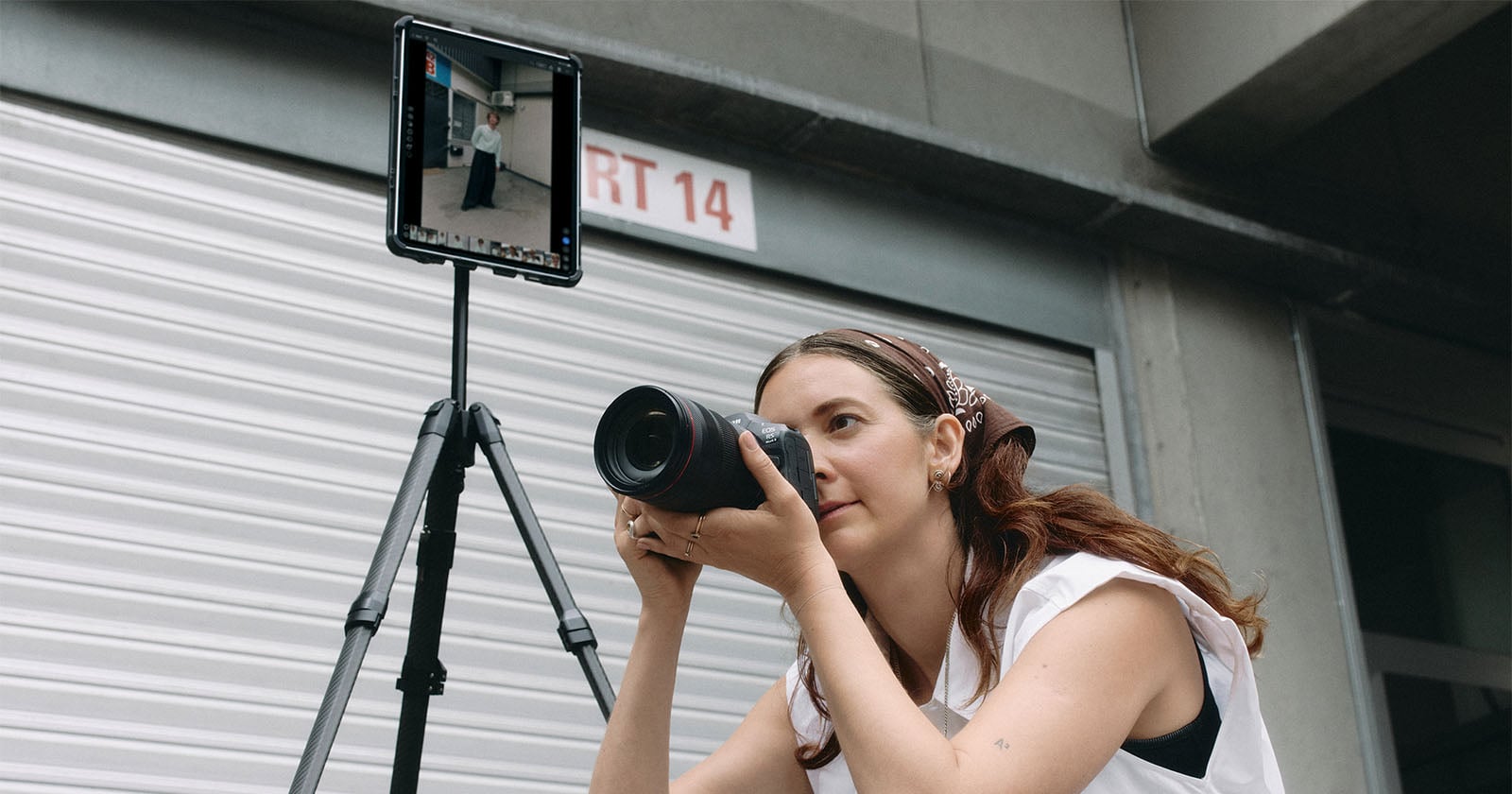
Capture One’s expansion of its second-generation wireless tethering capabilities to Capture One Mobile is a significant development, particularly for photographers who prioritize flexibility and a streamlined workflow. While wireless tethering isn't entirely new, Capture One's claim of speeds “feeling as fast as wired” is a bold statement and one that, if consistently delivered, could fundamentally alter on-location shooting practices. Historically, the limitations of wireless connections—latency, bandwidth constraints, and occasional disconnections—have made tethered shooting a somewhat unreliable proposition for many. This advancement suggests Capture One is addressing those concerns head-on, potentially removing a key barrier to wider adoption. The move also aligns with a larger trend in photography towards mobile-first workflows, driven by the increasing power and capabilities of tablets and smartphones. For those already invested in the Capture One ecosystem, particularly those utilizing Canon cameras, this integration represents a compelling reason to explore Capture One Mobile further. We recently explored the broader landscape of mobile photography apps in Best Mobile Photography Apps, highlighting the increasing sophistication of these tools.
The implications of truly reliable wireless tethering extend beyond mere convenience. Consider the possibilities for fashion shoots, product photography, or even architectural documentation, where the physical constraints of cabling can often impede creative freedom. A photographer can now move around the set with greater ease, adjusting lighting and composition in real-time, all while maintaining a live preview and control over camera settings via their mobile device. Furthermore, this technology enhances collaboration. An art director or client can view the photographer's perspective and provide immediate feedback, leading to more efficient and iterative creative processes. This resonates with the evolving demands of modern photography, where speed and responsiveness are increasingly valued. It’s important to note that while Capture One is pioneering this integration for Canon cameras, the broader industry is likely watching closely. Other camera manufacturers and software developers will undoubtedly be evaluating the feasibility and user demand for similar wireless tethering solutions across different platforms. This development builds upon existing tethering technologies; a recent piece on tethered shooting workflows, Tethered Shooting Guide, detailed numerous approaches but acknowledged the limitations of older wireless implementations.
However, the real test will be in the practical application. "Feeling as fast as wired" is subjective, and the actual performance will likely depend heavily on factors such as network conditions, camera model, and the complexity of the image files being transmitted. While Capture One’s reputation for robust performance is well-earned, independent testing and user reviews will be crucial to validating this claim. The seamlessness of the integration between Capture One on the desktop and Capture One Mobile also needs to be evaluated. A clunky or unreliable connection between the two platforms would undermine the benefits of wireless tethering. The initial price point for Capture One Mobile and any associated subscription costs for the tethering feature will also play a significant role in its adoption rate. Many photographers are understandably cautious about investing in new software, particularly when reliable, albeit tethered, alternatives already exist.
Looking ahead, the convergence of mobile technology and professional photography tools is only set to accelerate. We can anticipate further refinements in wireless transmission protocols, lower latency, and increased bandwidth, ultimately blurring the lines between wired and wireless workflows. The question is not whether wireless tethering will become commonplace, but rather how quickly and seamlessly it will be integrated into the everyday practices of photographers across different genres. Will we see this technology expand to other camera brands and operating systems? The rapid evolution of computational photography on mobile devices also suggests that we might eventually see cameras themselves incorporating more sophisticated tethering capabilities, further streamlining the creative process and potentially revolutionizing how images are captured and edited.
Capture One has brought its second-generation wireless tethering for Canon cameras to Capture One Mobile, promising speeds that "feel as fast as wired."
Read on the original site
Open the publisher's page for the full experience