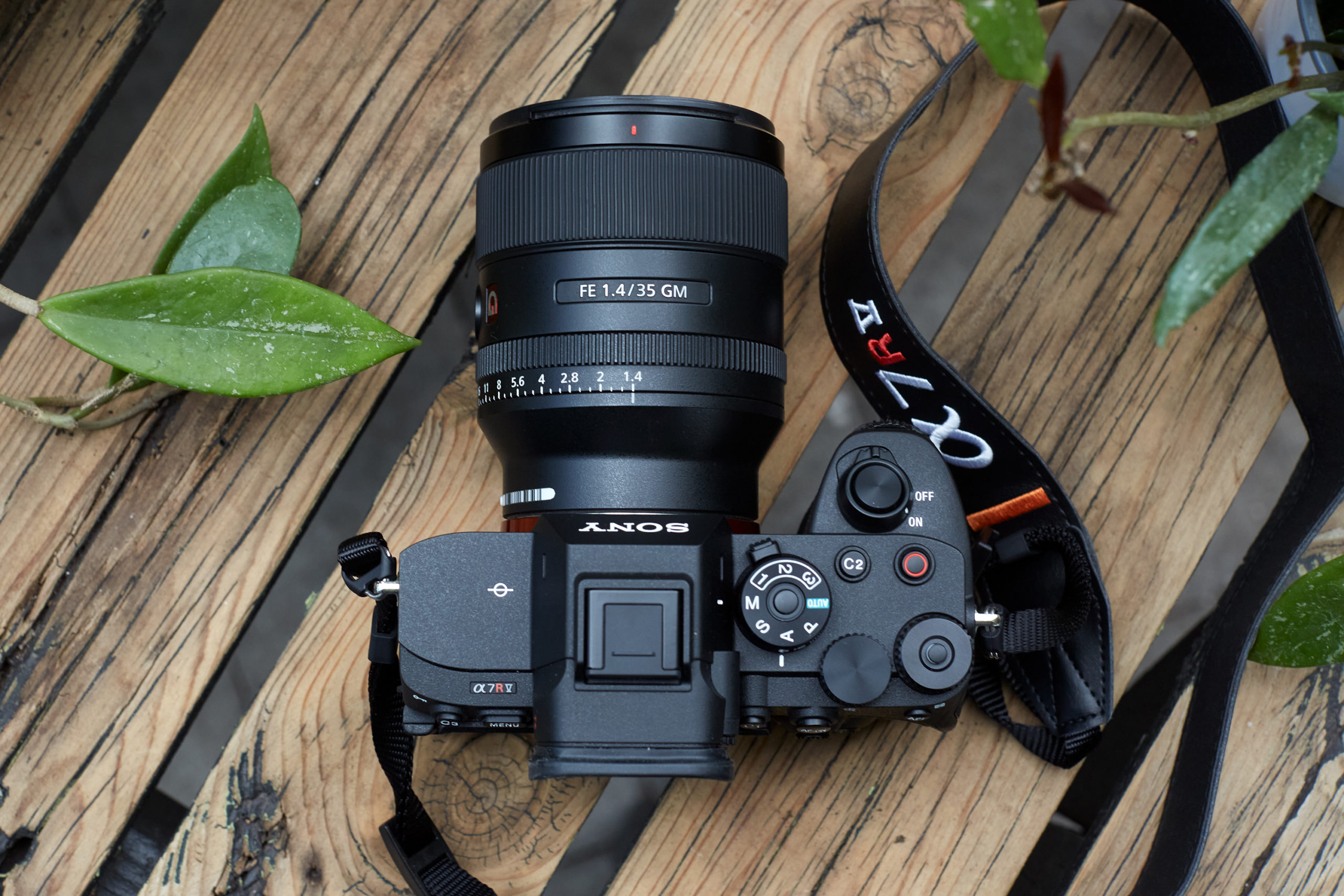
There is a specific kind of heartbreak unique to street photography. You see the composition, the light, the fleeting expression that tells a thousand stories, and you reach for your camera. By the time the viewfinder meets your eye, it is gone. The moment has evaporated into the ordinary, leaving you with nothing but the memory of what could have been. That is the brutal, beautiful reality of the craft. It is not about having the most expensive glass or the highest megapixel count; it is about being ready, and readiness often comes down to the tool in your hands. The conversation around full-frame cameras for this genre is not about gear snobbery; it is about the margin between a fleeting second and a permanent masterpiece.
For those of us who live for the hunt, the choice of a full-frame sensor is a practical decision wrapped in an artistic one. The larger sensor gives you that renowned depth of field, the creamy backgrounds that isolate your subject from the chaos of the city, and the low-light capabilities that let you keep shooting as the sun dips below the skyline. But the real magic is in the workflow. A camera that feels like an extension of your arm, with responsive controls and a shutter that fires without hesitation, is the difference between capturing the soul of a street scene and just taking a picture of it. As we see in a recent guide on the art of seeing and how to build a visual rhythm, the technical specs matter only insofar as they free you from thinking about the camera at all. The best advice we can offer is to stop reading about the perfect shot and start walking the pavement, but that is where the practicality kicks in.
What the article does not say, and what we will tell you directly, is that the gear is secondary to your relationship with the environment. A full-frame camera will not make you a better observer; it will simply get out of your way when you finally see the shot. If you are asking us for advice, we would say this: do not chase the latest release. Chase the camera that feels heavy in your hands but light in your mind. Look for one that offers silent shutter modes to keep you invisible, and a tilting screen so you can shoot from the hip without breaking eye contact with your subject. The technical jargon about sensors and processors is just background noise. The real question is whether the camera is so intuitive that you can forget it is there. That is the curated, immersive experience that makes the chaos of the city feel like a stage set just for you.
The takeaway here is simple: the next time you miss a frame, do not curse the camera. Ask yourself if you were truly present. The gear is a tool, not a crutch. As you consider your next purchase, let your decision be driven by the stories you want to tell, not the specs on a sheet. We would tell any reader that the best full-frame camera is the one that has you out on the street, waiting for the light to change, and the characters to appear. Watch for the models that offer reliable autofocus for moving subjects, because in this art, the only thing more fleeting than the light is the moment itself. That is the detail to watch for, and the standard we hold our own kit to.