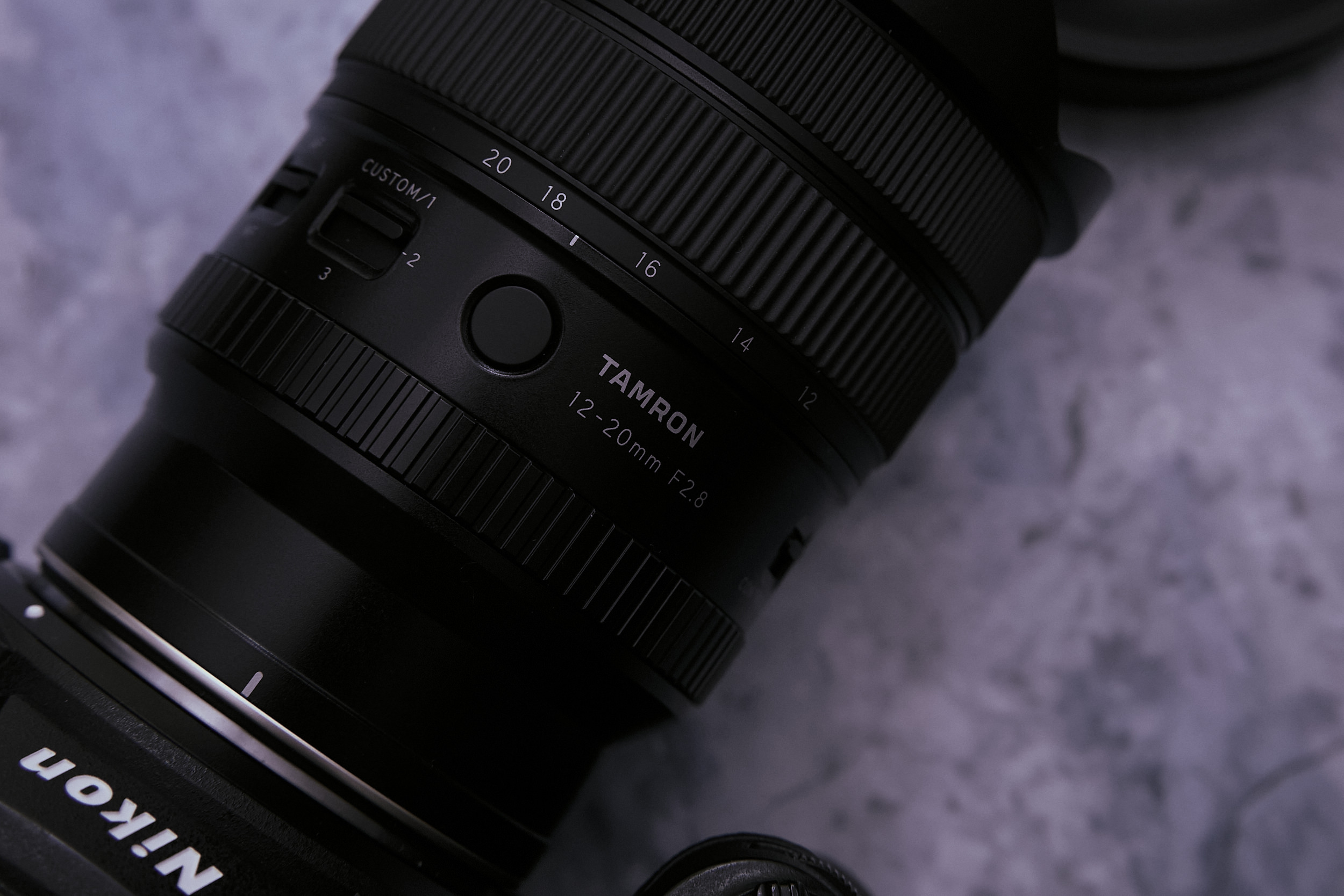
There is something quietly radical about a lens that makes you want to shoot the night sky not because it promises technical perfection, but because it feels light enough to carry on a long walk home. Tamron's 12-20mm F2.8 is being described as the lightest ultra-wide zoom its reviewer has tested in a while, and that alone changes the conversation around astrophotography. We spend so much time talking about aperture blades and corner sharpness that we forget the most important variable: whether you actually bring the gear with you. This lens, with its new design language for Tamron, seems to answer that question before you even leave the house. It is a reminder that the best camera for a cosmic moment is the one that doesn't feel like a burden after sunset.
For our readers who chase both the creative frame and the active lifestyle, this matters in a practical way. We have written before about Finding Joy on the Streets, One Frame After Fashion, where the magic of street photography often depends on being nimble and unencumbered. That same principle applies when you are hiking to a dark-sky spot or balancing on a rooftop at 2 a.m. An ultra-wide that sheds weight without sacrificing speed, F2.8 across the zoom range, is not just a tool for stars. It is a tool for the photographer who wants to move through the world with intention, not with a hernia. And when we consider the artistry of Capturing Cosmic Beauty: An Astrophotography Journey with Nikon, we see the same truth: the gear must disappear so the vision can appear.
Our honest take is that Tamron is doing something more interesting here than simply updating a spec sheet. By ushering in a new design language, they are signaling that they understand the audience we speak to every day, people who want their equipment to feel curated, not clunky. This is not about being the sharpest lens in the dark; it is about being the lens that invites you to try. The 12-20mm F2.8 lowers the barrier to entry for astrophotography without treating it as a niche. It says you can photograph the Milky Way and then, without swapping glass, turn around and capture the texture of a city street at dawn. That kind of versatility is aspirational because it is also authentic: it respects the fact that most of us do not have a separate kit for every genre.
The concrete point to watch is how this new design language influences Tamron's future zooms. If the 12-20mm is indeed the lightest in its class, and if it sells well, it sets a precedent that weight and portability are no longer trade-offs but priorities. For a reader who asks us whether this lens is worth the investment, we would say this: it is not just a lens for stars, it is a lens that redefines what you are willing to carry. The specific takeaway to quote is this: the best astro lens is the one you actually take outside. Tamron may have just built the most convincing argument for that idea yet.