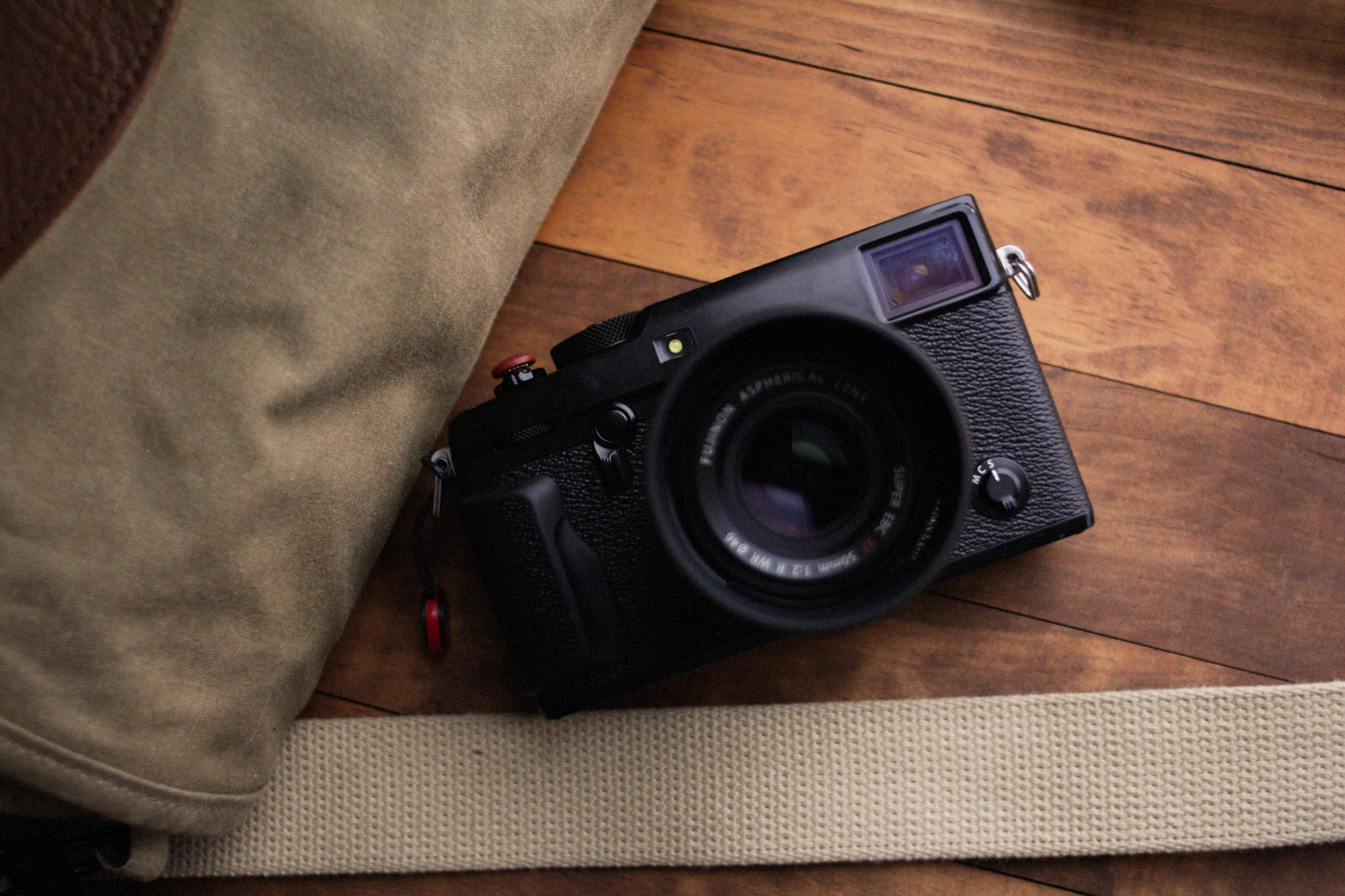
Street photography has always been a dance with the ephemeral, a pursuit where the difference between a fleeting glance and a lasting image is measured in milliseconds. The article's central observation about mirrorless cameras rings profoundly true: the gear often feels like it's holding us back from the very moments we're trying to preserve. We've all been there, hovering over the shutter, waiting for the autofocus to catch up while the perfect composition dissolves into the crowd. It's a frustration that feels almost personal when you're working the streets, where every frame is a negotiation between anticipation and reaction. This isn't just about technical specs; it's about the intimate relationship between the photographer's intention and the camera's responsiveness. For those of us who live for that serendipitous collision of light and life, the conversation feels less like a gear review and more like a shared confession among kindred spirits. As we've explored in our own coverage of the genre, from finding joy in the everyday to celebrating the artistry of the community, the core challenge remains the same: how do we stay present enough to capture what our eyes see before our minds even register it?
The real issue isn't just speed, but the way a slow camera breaks our concentration. When you're constantly worrying about lag or missed focus, you're no longer immersed in the scene; you're fighting your tool. The article hits on a crucial point: anticipation can only take you so far. It's a skill, yes, but even the most seasoned street photographer can't predict the precise moment a stranger's expression changes or when a shadow will fall perfectly across a wall. The camera needs to be an extension of our own vision, not a barrier to it. This is where we find ourselves at a crossroads between embracing the imperfections of the moment and demanding better from the machines we carry. It's a sentiment that echoes through the Finding Joy on the Streets, One Frame After Fashion piece, where the spontaneous, unposed moments often carry the most weight, reminding us that the soul of the photograph lies in its authenticity, not its technical perfection.
So, what do we tell a reader who asks for advice on this? We'd say this: stop chasing the perfect settings and start learning your camera's limitations so well that they become invisible. Learn to pre-focus, to shoot from the hip, to use back-button focusing if it helps you separate the shutter release from the autofocus. The goal is to make the act of capturing so fluid that you're left with only the pure, unadulterated act of seeing. It's not about buying the newest body with the fastest processor; it's about mastering the one you have until its hesitations become your rhythm. We'd also suggest embracing the imperfections, as the Capturing Cosmic Beauty: An Astrophotography Journey with Nikon article teaches us, where patience and technical understanding open doors to different kinds of magic, but the principle of knowing your gear's soul remains the same. The camera is a tool, but it's also a partner in a creative dialogue, and you need to learn its language fluently.
The real takeaway, the one we'd want you to carry with you, is that the moment is always going to be faster than you are. The question isn't whether you'll miss shots; you will. The question is whether you'll let that fear paralyze you or propel you into a deeper understanding of your craft. We'll leave you with this specific thought to chew on: the next time you're out on the street, try shooting in a fully manual mode for an hour, forcing yourself to anticipate the light and distance, and see how that constraint sharpens your instincts. You might just find that the "slow" camera isn't a limitation, but a teacher, one that's showing you the value of the moments you choose to wait for, rather than the ones you try to chase. That's a practice worth exploring, and it's one that will follow you long after the shutter closes.