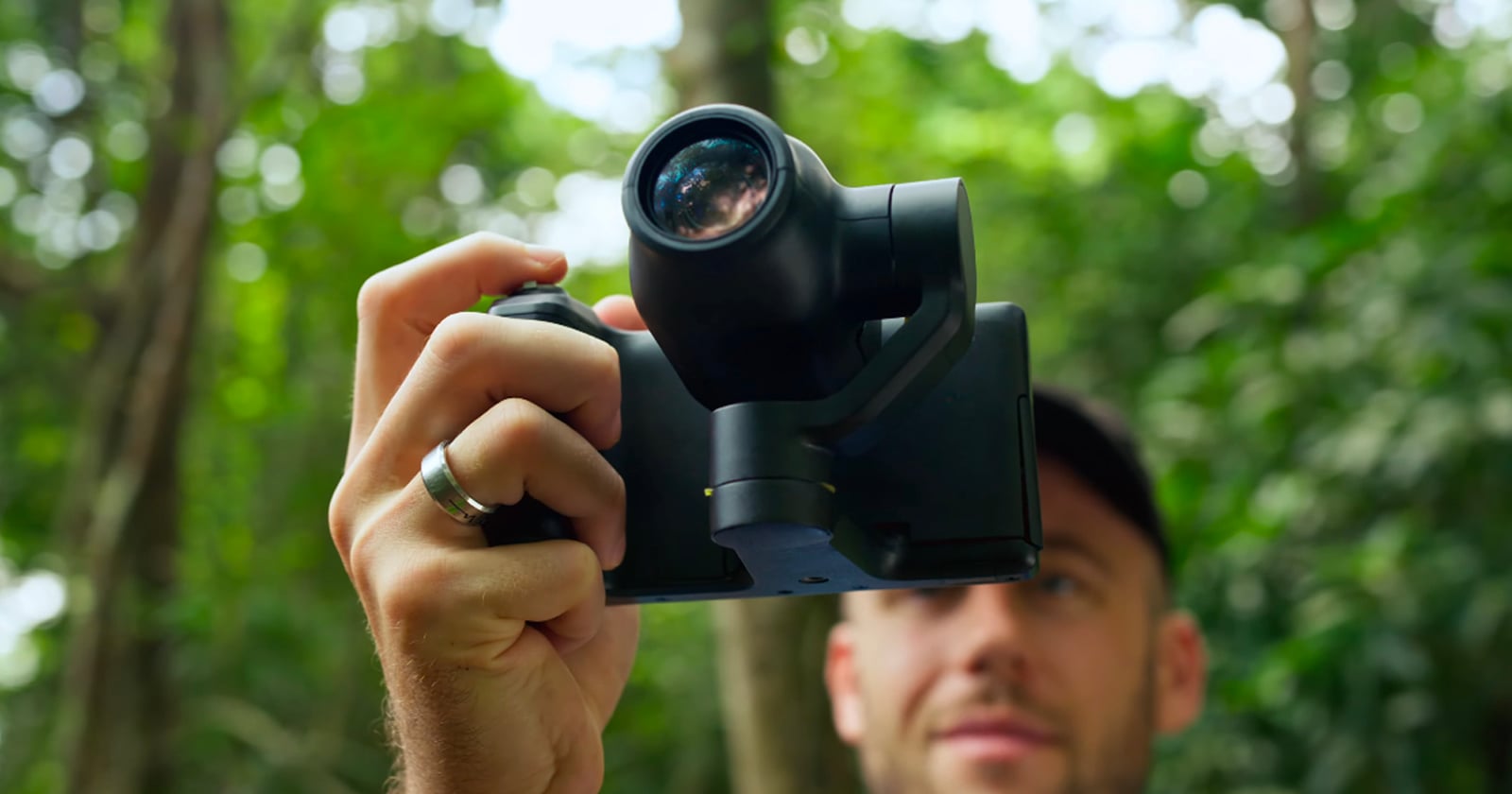
There is something quietly magnetic about a tool designed to remove the distance between you and the moment. FarseerTech's RocXZoom is not just another long lens; it is a deliberate answer to a question every wildlife and birding photographer has asked while wrestling with a heavy telephoto: what if the camera did the chasing for you? The 50x hybrid zoom, paired with motorized pan-and-tilt movement and AI-powered subject recognition, suggests a future where patience is still required, but the physical contortions of tracking a moving subject become less of a barrier. It feels less like a gadget and more like an invitation to stay present in the scene rather than buried in the mechanics of framing.
This is where the conversation gets interesting for our readers, especially those who have been following the evolution of photographic tools through our coverage of Nikon: Mastering Black and White Photography Through Exceptional Detail. That piece celebrated the discipline of seeing in monochrome, a craft that rewards deliberate composition over automation. RocXZoom sits on a different spectrum, one where artificial intelligence handles the tracking while you focus on the emotional content of the frame. But here is the honest tension: does offloading the chase to a motorized gimbal change what it means to be a photographer? We would argue it does not diminish the art, but it does shift the skill set. The eye remains the most critical instrument; the camera simply gives that eye a steadier, more patient platform.
For the enthusiast who has not yet invested in a super-telephoto prime, this camera could quietly redefine expectations. The compact body is the story here. Traditional setups for distant, moving subjects often involve heavy tripods, gimbals, and a back that regrets the decision the next morning. RocXZoom's integrated motorized movement suggests a more fluid workflow, one that could appeal to the hiker who wants to travel light without sacrificing reach. That said, we would caution against viewing this as a replacement for the creative control that comes from manual focus, a skill we explored in Unlock Creative Control: New Lumix S9 Firmware Arrives. The AI subject recognition is a powerful assist, but it is not a substitute for understanding how light falls on feathers or fur. Use it as a starting point, not the final word.
What we find most compelling is not the technology itself, but what it signals for the next few years of outdoor observation. If a robotic zoom can track a bird in flight while you compose, the barrier to entry for newcomers drops significantly. That is a good thing for a genre that often feels intimidatingly technical. But it also raises an open question we will be watching closely: will this kind of automation make us more present or more removed? For now, we would tell a reader considering this camera to think of it as a creative partner, not a replacement. The takeaway worth quoting is this: RocXZoom does not promise to capture the moment for you, but it might just let you stay in it long enough to actually see it. We will be watching how the AI handles the unpredictable, because that is where the magic, or the frustration, will live.